
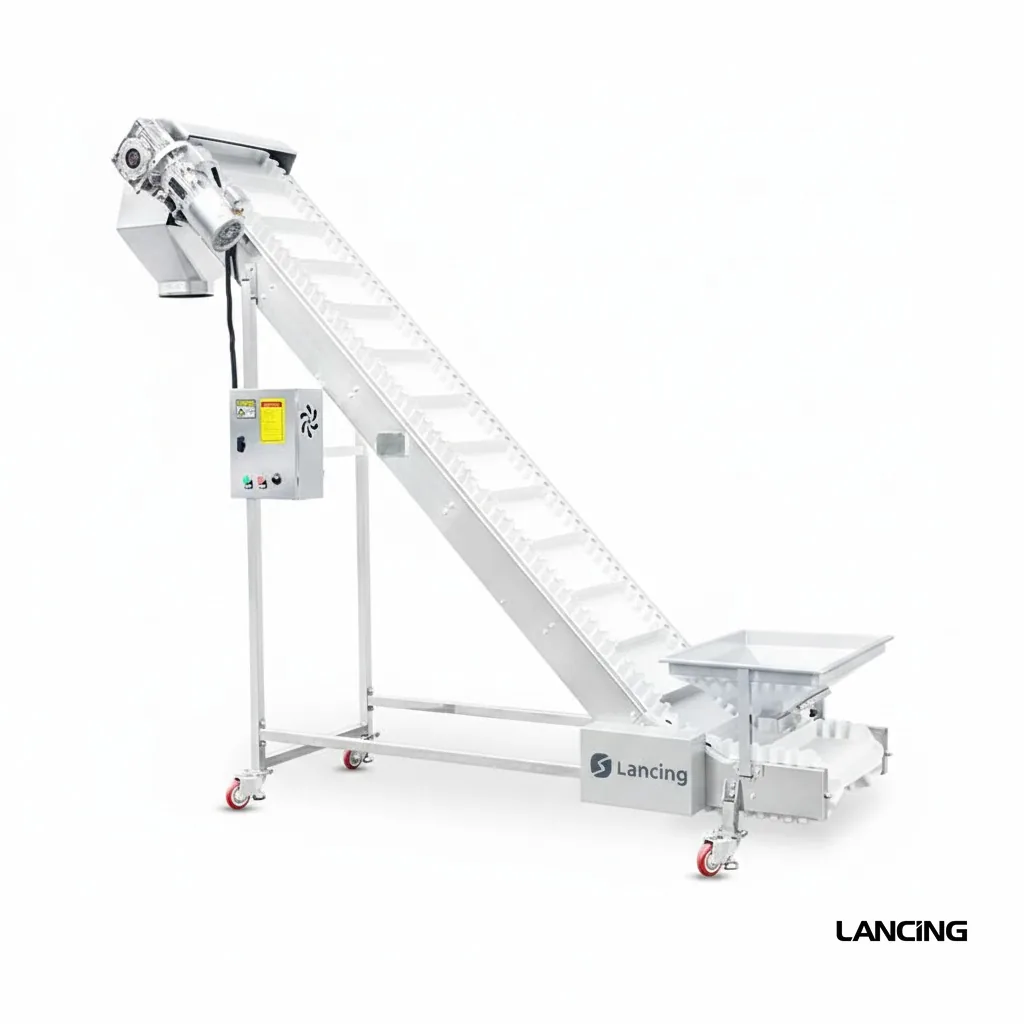
Food and beverage
Food & Beverage Conveyors
Conveyors for food, drink, sauces, condiments, bottles, jars, trays and packing lines.
Industry conveyor support
Choose by sector when product behaviour, hygiene, presentation, load or changeover requirements are the main decision factors.
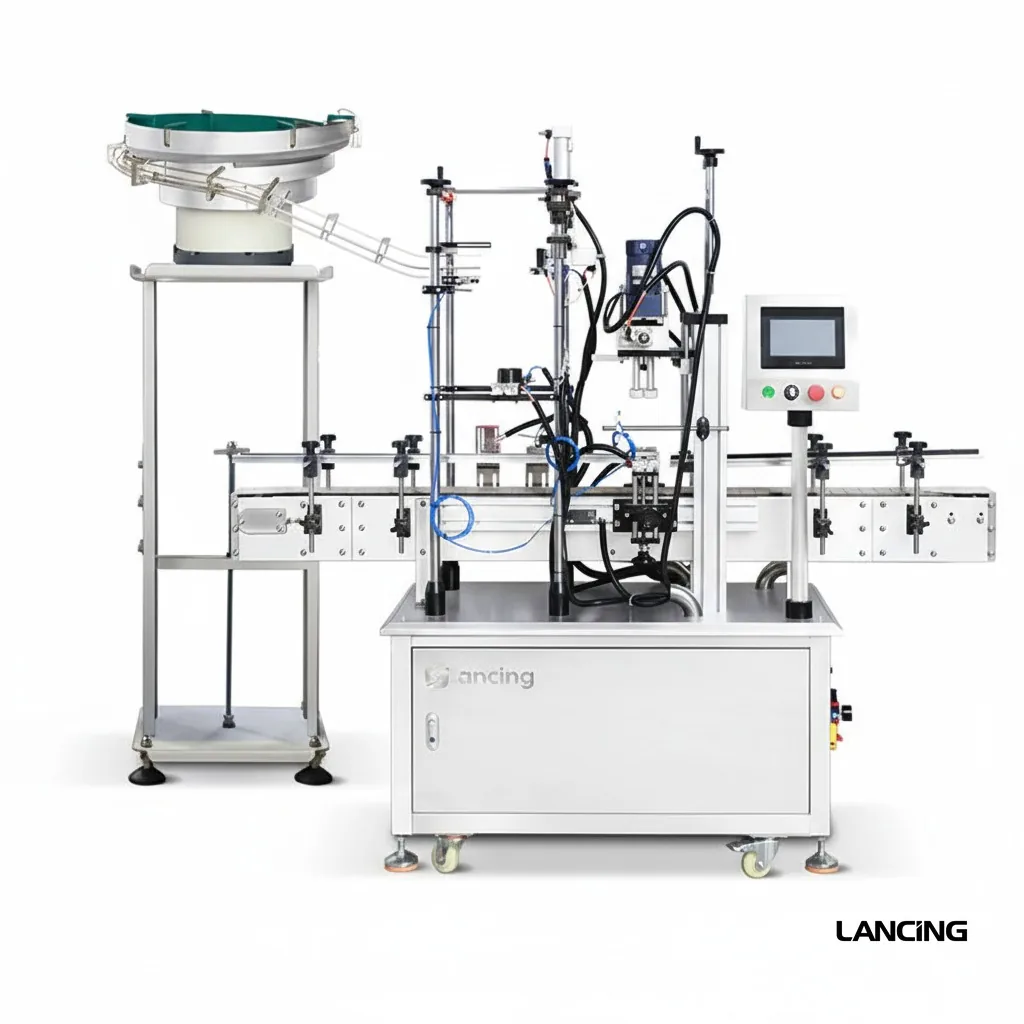
Browse by sector
Choose by sector when product behaviour, hygiene, presentation, load or changeover requirements are the main decision factors.
Food and beverage
Conveyors for food, drink, sauces, condiments, bottles, jars, trays and packing lines.
Cosmetics and personal care
Handling routes for bottles, pumps, triggers, jars, labels and presentation-led personal-care packaging.
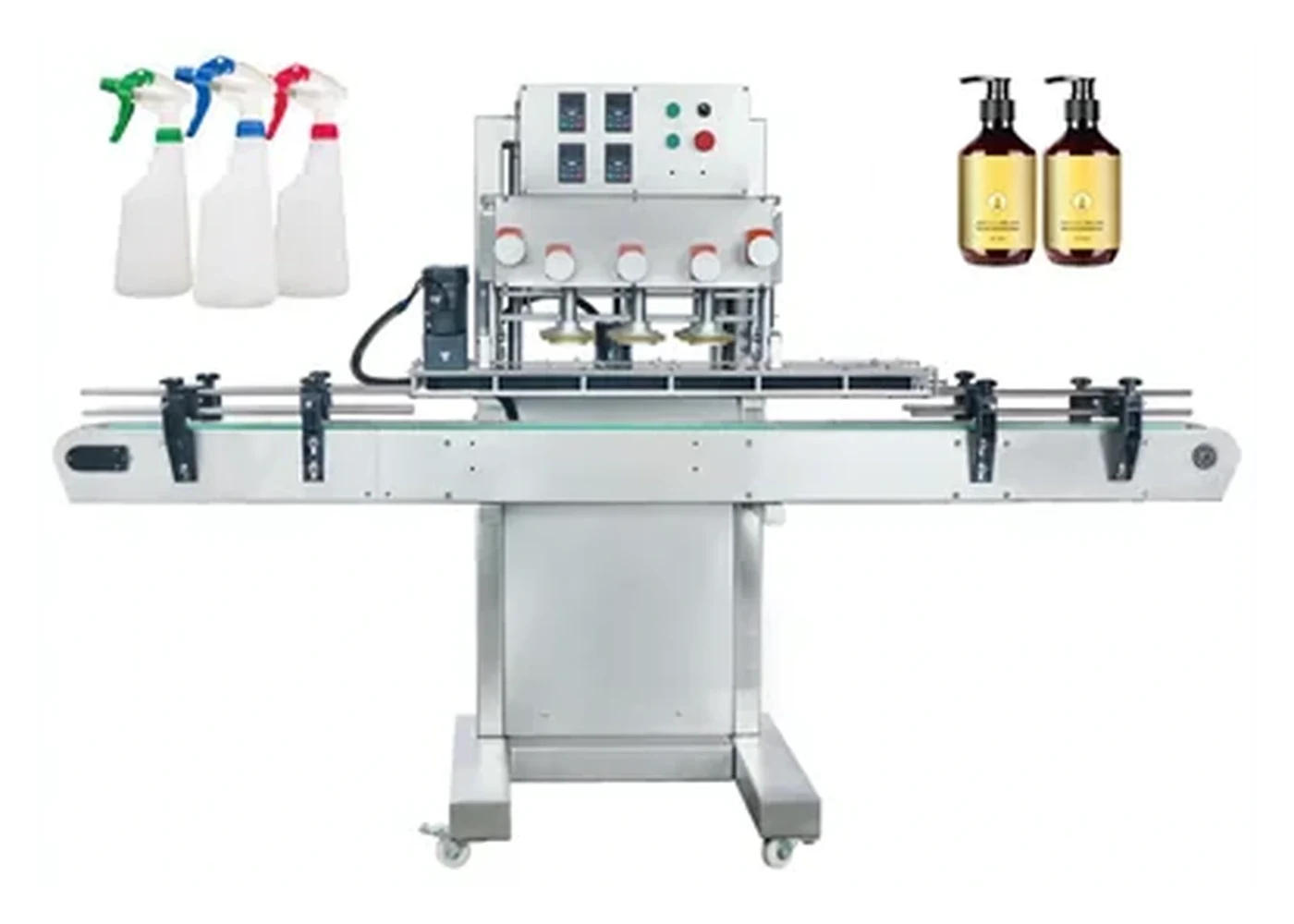
Chemical and household
Conveyors for detergents, cleaning products, chemicals, oils, lubricants, jerrycans and larger containers.
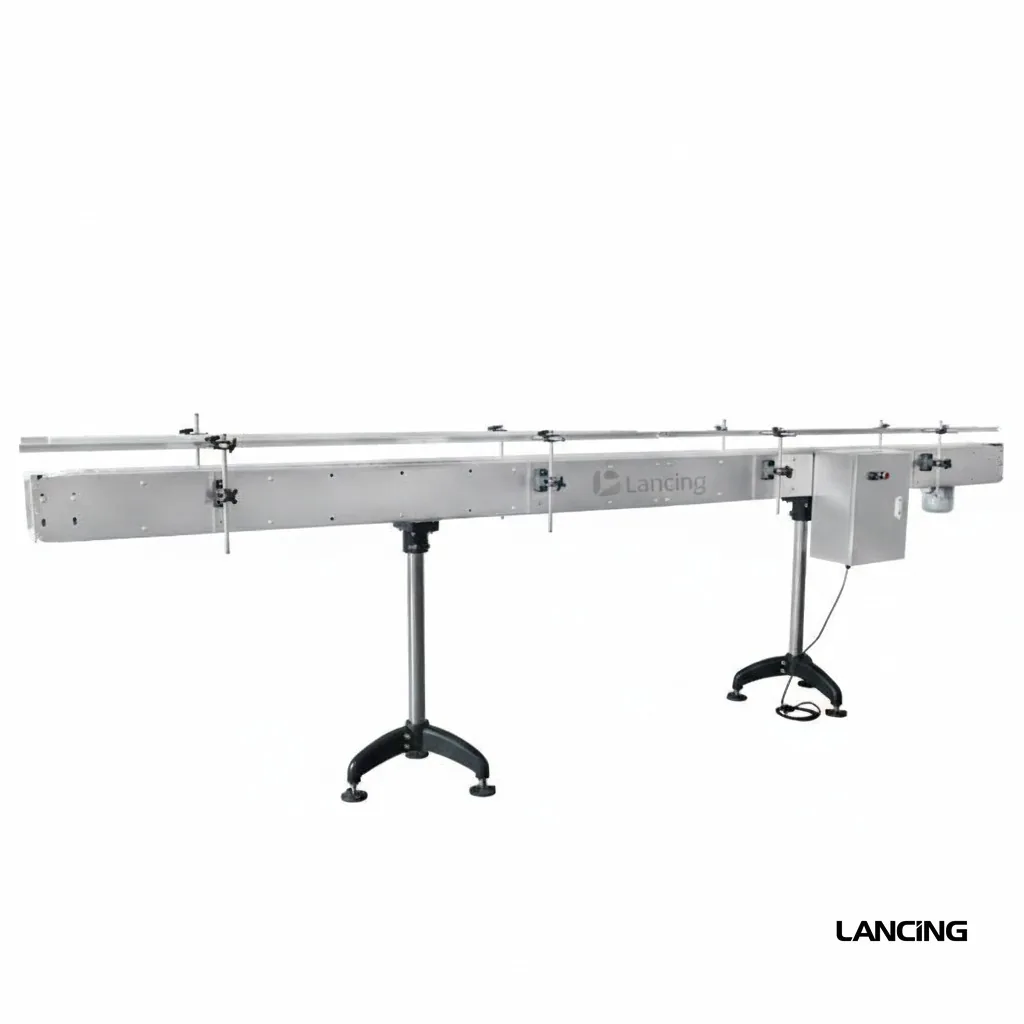
Warehouse and dispatch
Powered roller, belt and transfer conveyors for cartons, totes, picking, packing and dispatch areas.
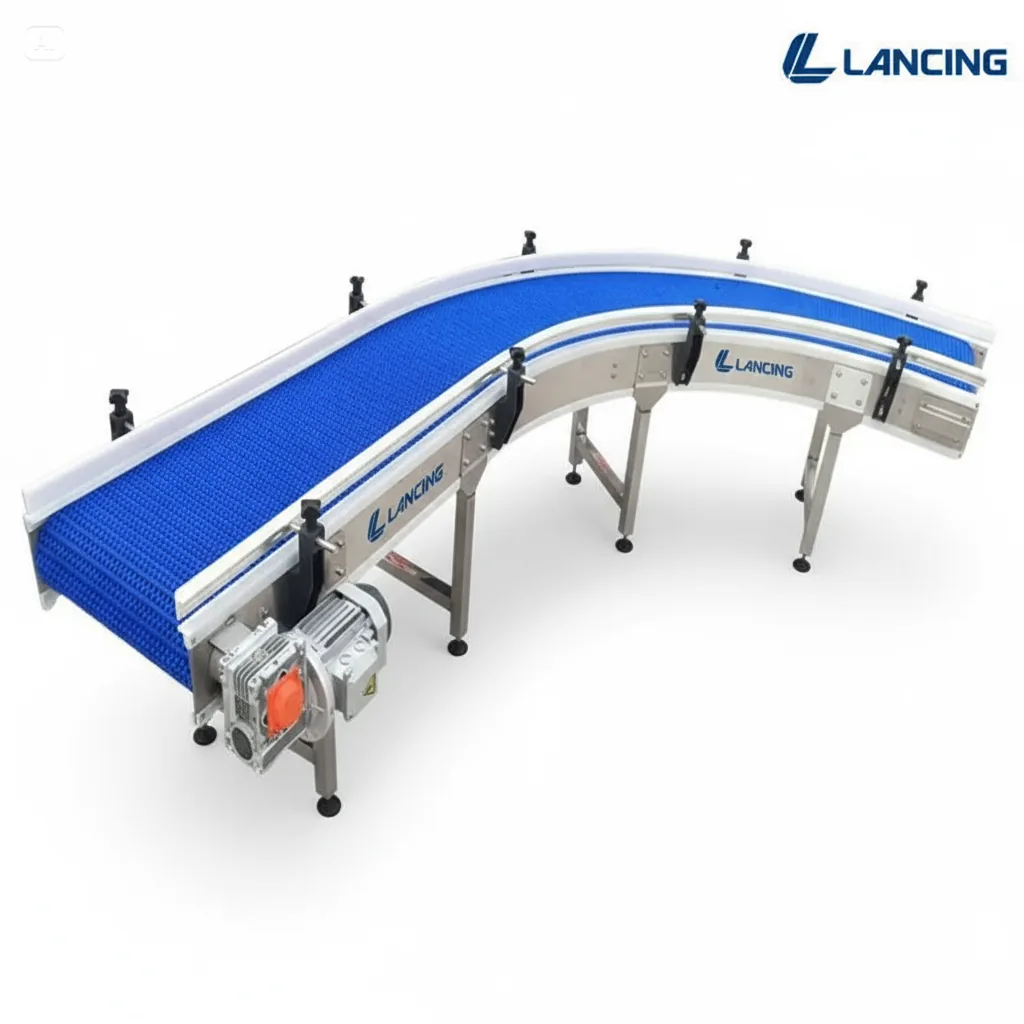
Contract packing
Flexible conveyor layouts for multi-SKU contract packing lines with frequent format changeovers.
FAQs
Start with the product, route or problem you need to solve. The quote checklist then shows which details help us price the conveyor accurately.
Yes. Send product details, available space, speed target and any photos or layout sketches, and we will help narrow the conveyor options.
Different conveyor types solve different handling problems, so it helps to compare the product, route, transfer points, speed and space available.
Industry selection
Industry names are useful context, but the conveyor specification must state the actual product, contamination, cleaning, operator, environment and changeover conditions.
Define product contact risk, cleaning method, drainage and access without assuming a hygiene certification.
Describe spills, container mass, compatibility information and cleaning or containment needs.
Use the load underside, mass, route and zone-control requirement to select powered roller or belt.
The initial enquiry does not need a finished engineering drawing, but it should separate confirmed data from assumptions. Record the load range, route, target flow, operating environment and interfaces. Unknown values can then be measured or tested rather than guessed.
Project review
Lancing can use the product, route and operating information to define the next engineering checks and quotation scope.