
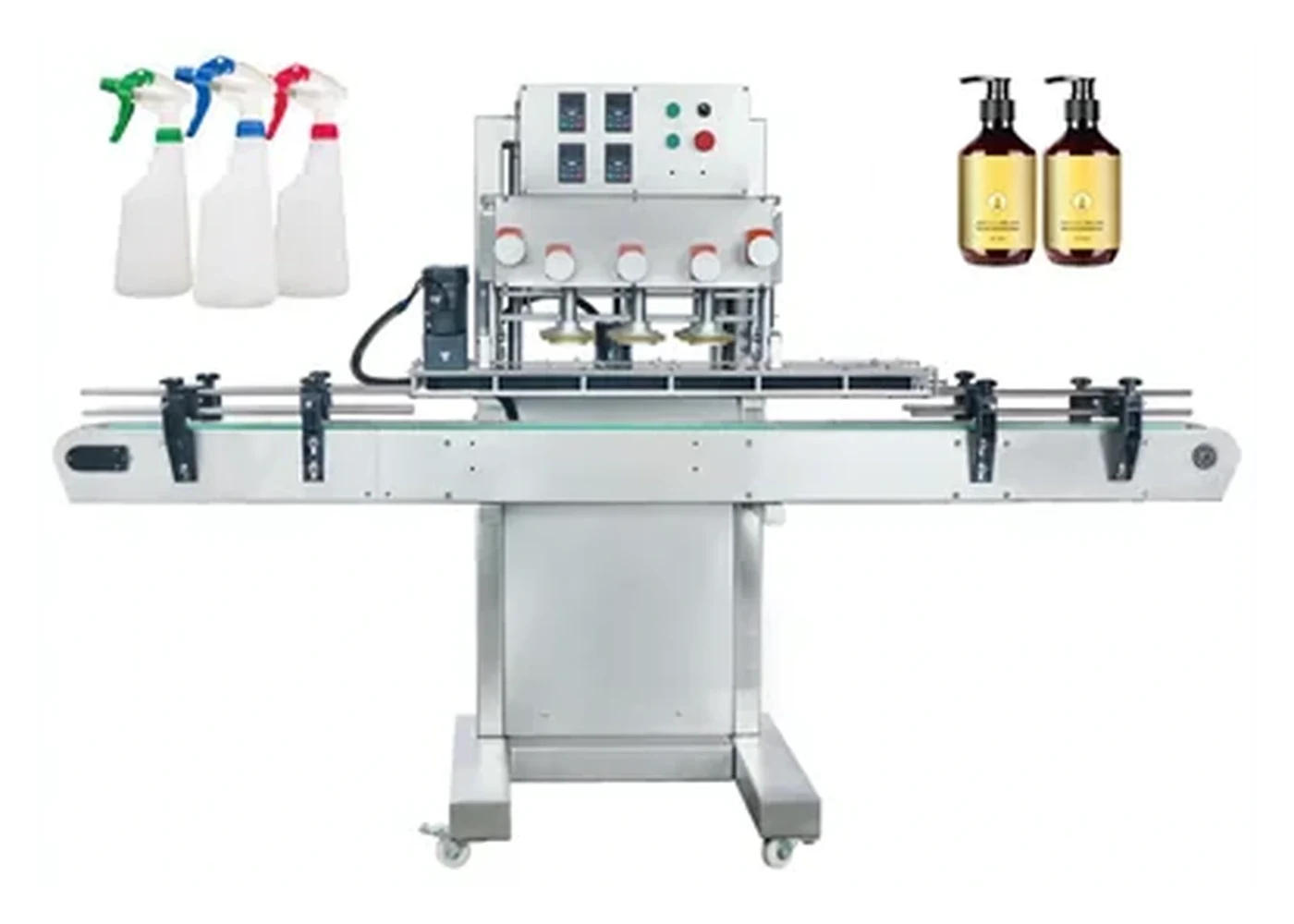
Packaging lines
Packaging Line Conveyors
Conveyor systems for filling, capping, labelling, coding, inspection and packing lines.
Good for linking filling, capping, labelling, coding and packing stages.
Explore packaging line conveyors →Stable machine entry and discharge
Infeed and outfeed conveyors determine how consistently products enter and leave a machine. A well-planned transfer route reduces stoppages, improves spacing and gives operators better access to the line.
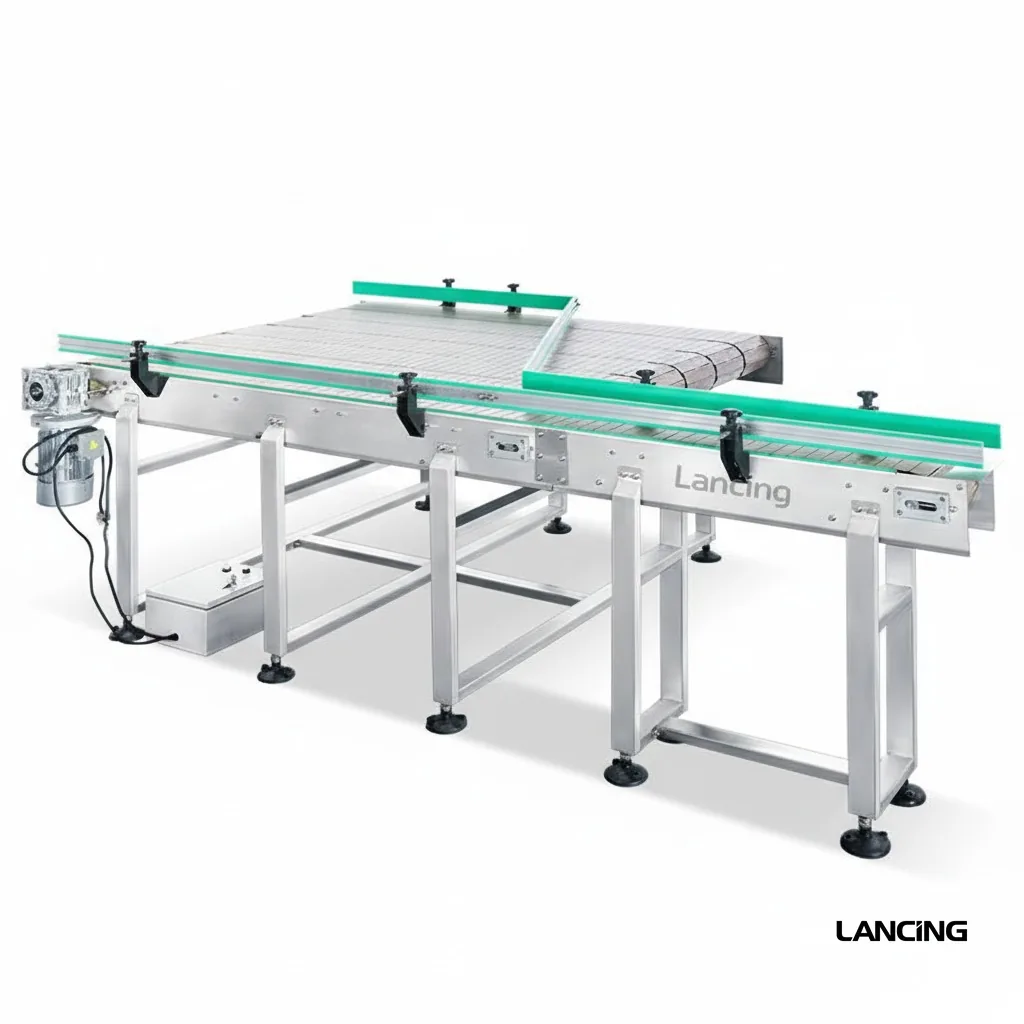
Machine infeed/outfeed
The best machine can still underperform if the infeed or outfeed conveyor is wrong. Products need to arrive in the right orientation, with the right spacing, at a speed that matches the process.
For packaging machinery, infeed design depends on pack stability, upstream supply, guide-rail settings and the machine’s timing. Outfeed design must allow products to leave cleanly without bunching, falling or creating pressure on the next stage.
When retrofitting a conveyor to an existing line, it is important to check height, width, transfer length, control signals, safety access and how operators clear faults.
Best used for
Available routes
Machine infeed/outfeed
They control how products enter a machine. Poor spacing or unstable transfer can reduce output even if the machine itself is capable of higher speed.
Often yes. The existing machine height, controls, space and product transfer points need to be surveyed.
Provide the machine model, product dimensions, container stability, current line speed, transfer height and any recurring stoppage points.
Need a shortlist?
We will help narrow the conveyor type, layout considerations and the details needed for a practical quotation.
Related conveyor options
Packaging lines
Conveyor systems for filling, capping, labelling, coding, inspection and packing lines.
Good for linking filling, capping, labelling, coding and packing stages.
Explore packaging line conveyors →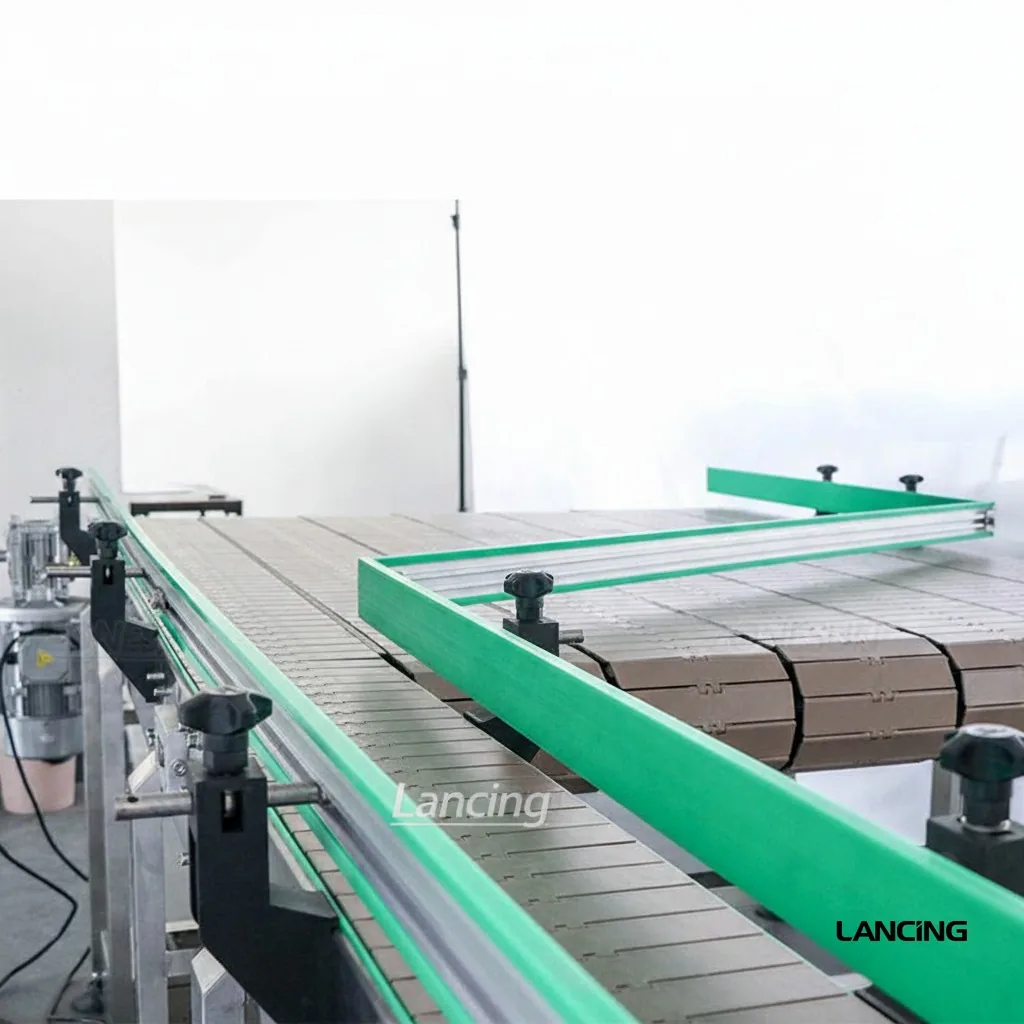
Bottle and jar handling
Slat, infeed, curved and accumulation conveyors for plastic bottles, glass bottles, jars and containers.
Good for stable movement of plastic bottles, glass bottles, jars and containers.
Explore bottle handling conveyors →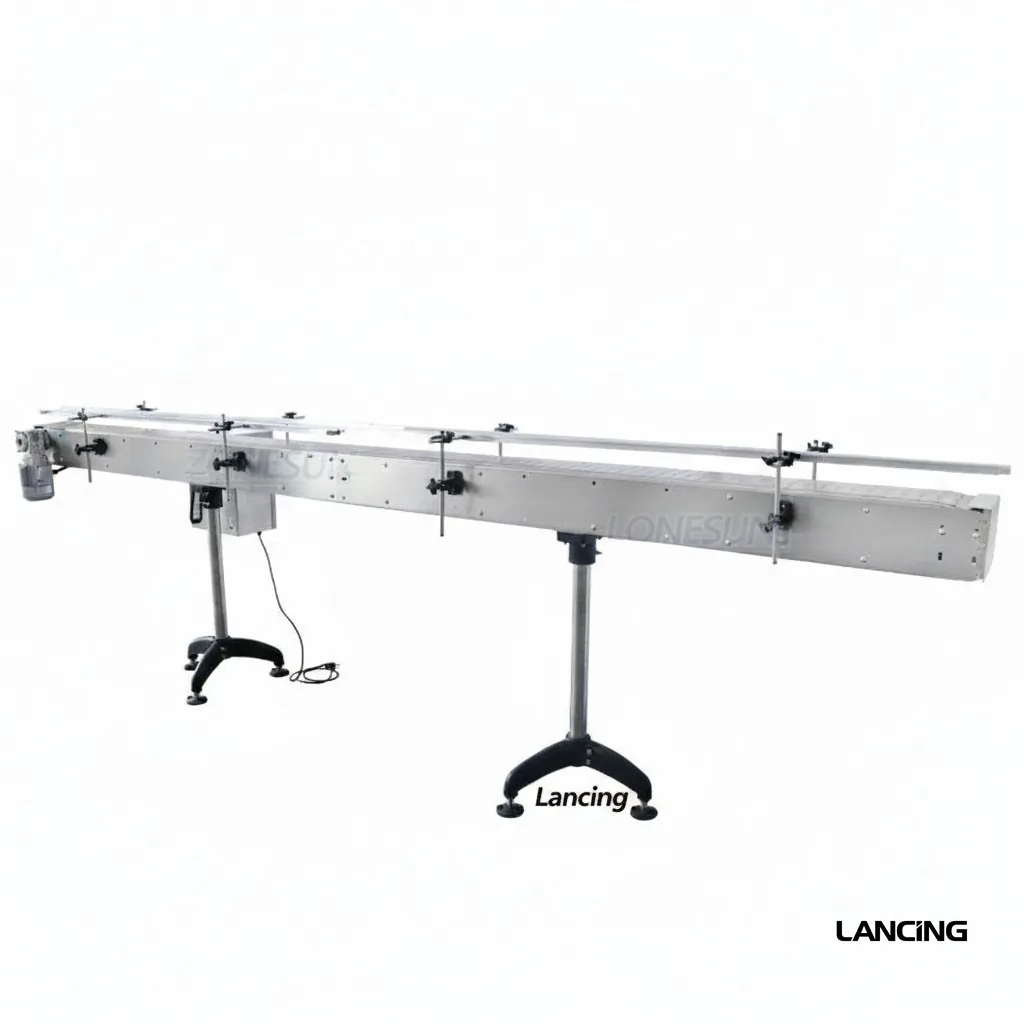
Cartons, trays and boxes
Powered conveyors for flat-bottomed cartons, trays, totes and box handling in production and packing areas.
Good for cartons, trays, totes and boxes in packing and dispatch areas.
Explore carton, tray & box conveyors →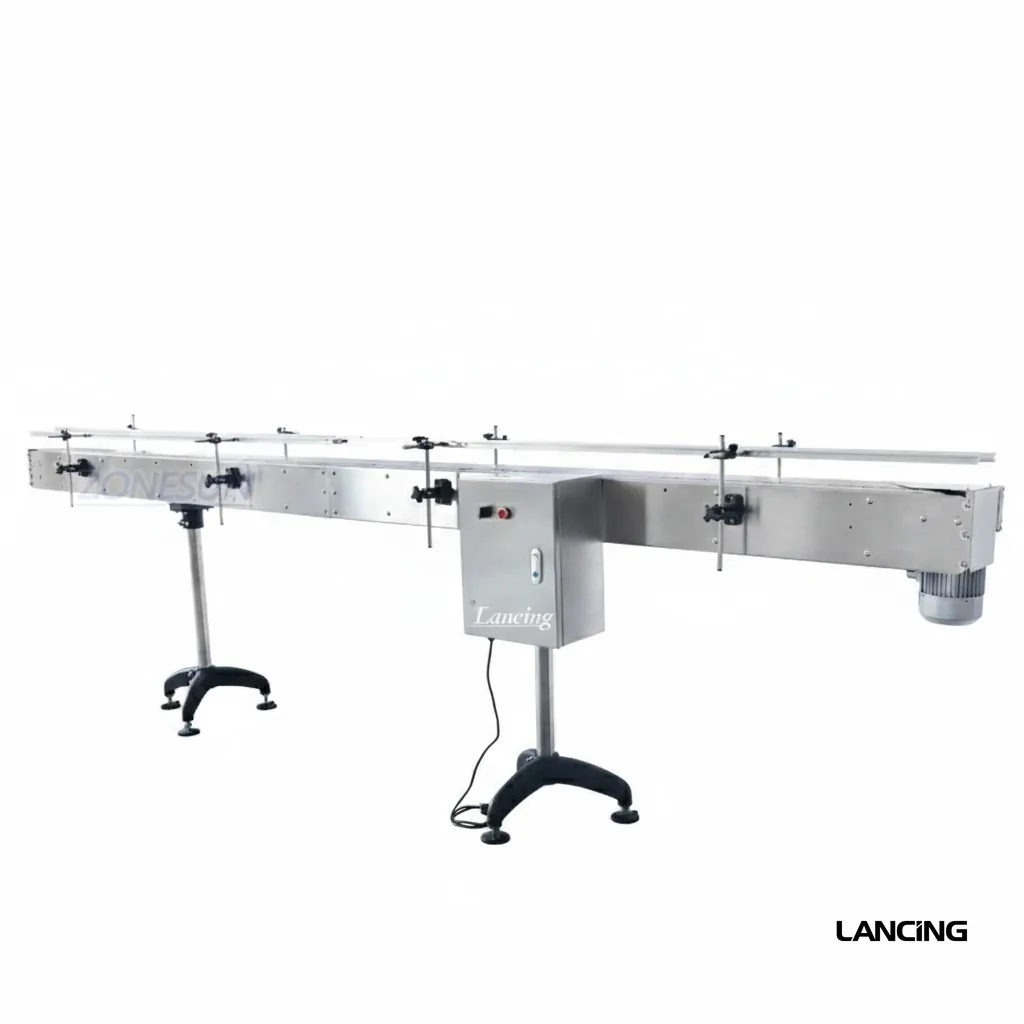
Buying guide
How to choose the right powered conveyor system by product, load, footprint, speed and line requirement.
Helps compare conveyor types before you request a quotation.
Explore powered conveyor buying guide →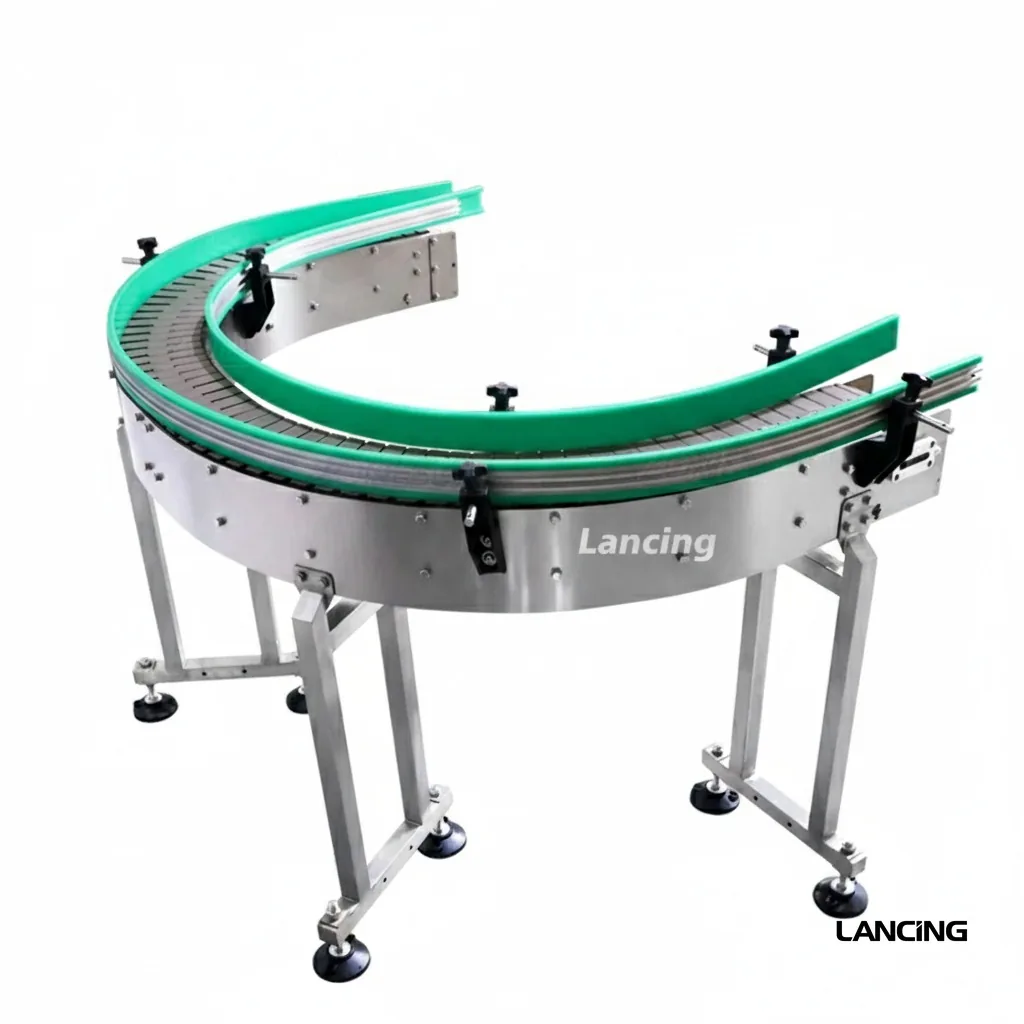
Layout checklist
A checklist covering footprint, access, transfers, bends, elevations, guarding, controls and future growth.
Helps check footprint, access, transfers, bends, heights and controls.
Explore conveyor layout checklist →Machine transfer engineering
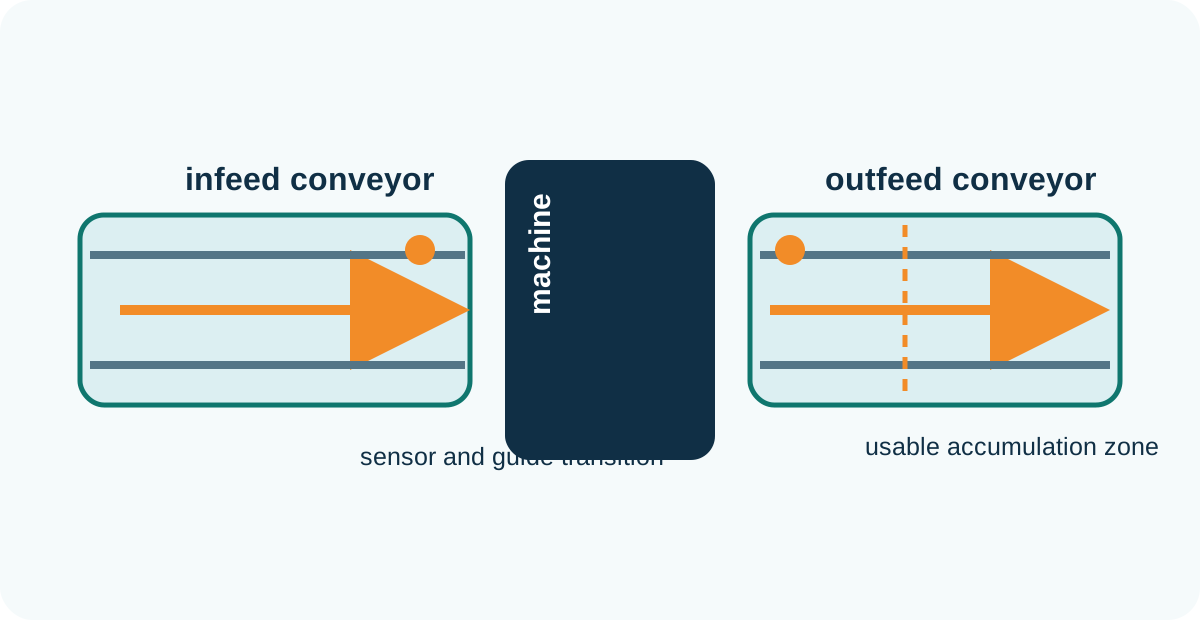
Infeed and outfeed conveyors control more than product movement. They establish the product position, spacing and timing presented to the machine, then remove product without allowing a downstream stop to feed pressure back into the process.
Confirm finished floor level, conveyor top height, direction of travel, support across the transfer and the machine's own belts, screws, starwheels or guides. The smallest product and any protruding feature can control the acceptable gap.
Some machines need a steady queue; others need a defined pitch or a clear gap. Sensors, stops, metering belts or timing screws may be involved. State the machine's required infeed condition rather than assuming the conveyor speed alone will create it.
Define ready, run, stop, fault and emergency-stop behaviour across the interface. Consider what happens to products already between machines when either side stops, and whether the conveyor should coast, stop immediately or clear a section under controlled logic.
The outfeed must accommodate downstream variation without allowing products to crowd back into the machine. Required accumulation time, permissible contact pressure and recovery sequence should be agreed before the buffer is sized.
Powered Conveyors UK owns the conveyor module, product transfer and local control brief. Complete packaging-line performance and combined machinery scope are better reviewed through Packaging Lines UK. Dedicated bottle orientation before the infeed belongs with Bottle Unscramblers UK.
Continue with conveyor line integration, accumulation conveyors and the transfer detail guide.
The speeds must be coordinated, but the correct relationship depends on product pitch, queue condition, machine metering and control logic.
Conveyor top height is essential, but the smallest product base, support gap, guide transition and direction are equally important.
Agree the required ready, run, stop, fault and emergency-stop signals, together with the response of products already between the machines.
Use a buffer where short downstream stops should not immediately stop the upstream process and where the product can be accumulated safely.
Possibly, after checking height, width, speed, drive duty, guides, transfers, controls, guarding and condition against the new machine.
Engineering review
Send the full product range, route, output and interface details so the conveyor can be assessed under realistic operating conditions.
Machine handshake
An infeed must release the correct product at the correct time; an outfeed must confirm the next section can receive it. Record mechanical support, guide transition, sensing, run permit, ready, blocked, fault and reset behaviour together with the party responsible for each interface.
Use the site survey checklist for heights, clearances and access.
Use the controls integration guide for I/O and recovery.
Use the FAT/SAT guide for transfer and fault evidence.