
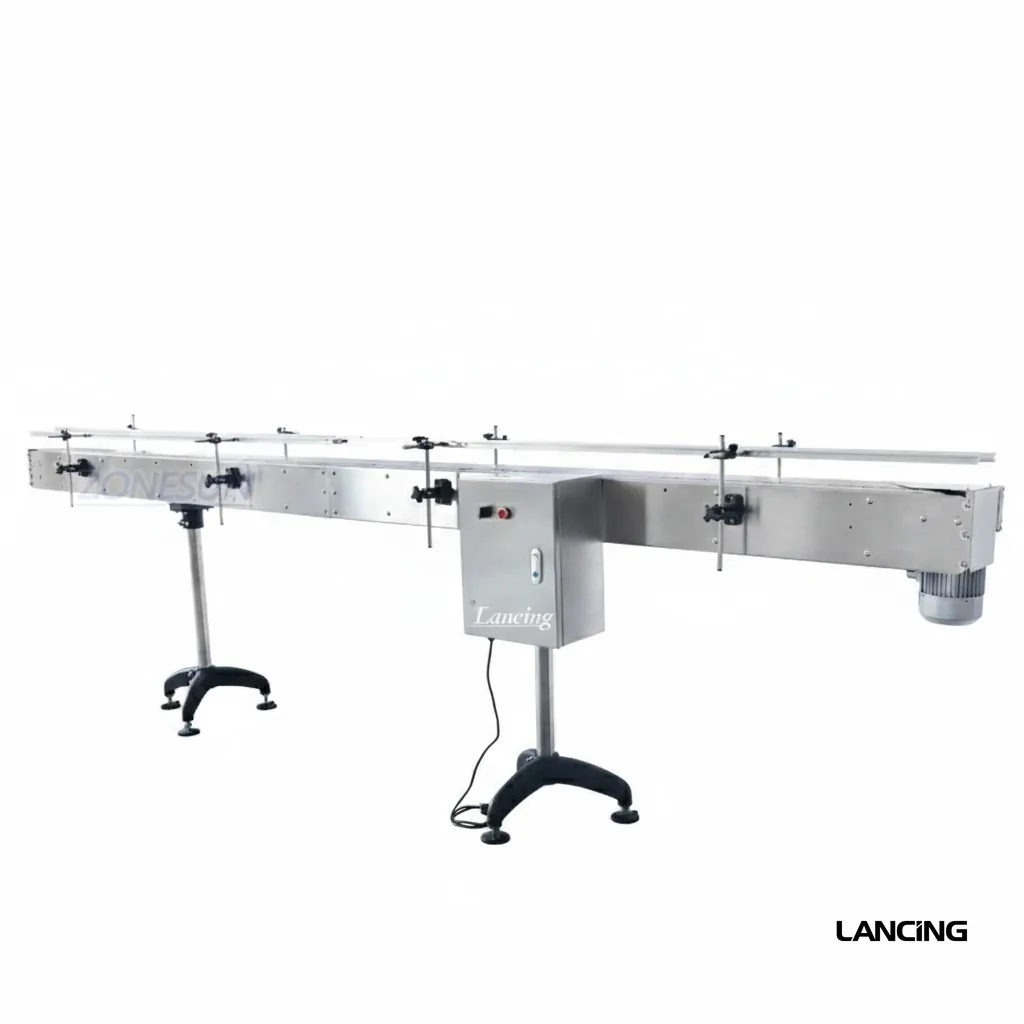
Conveyor type
Belt Conveyor Systems
Flat belt, food-grade, cleated and modular belt conveyors for product transfer, packing and line linking.
Conveyor types
Choose by conveyor type when you already know the machine family. Each conveyor option explains where it works best, what to check and what to send for an accurate quote.
Browse conveyor types
Choose by conveyor type when you already know the machine family. Each conveyor option explains where it works best, what to check and what to send for an accurate quote.
Conveyor type
Flat belt, food-grade, cleated and modular belt conveyors for product transfer, packing and line linking.
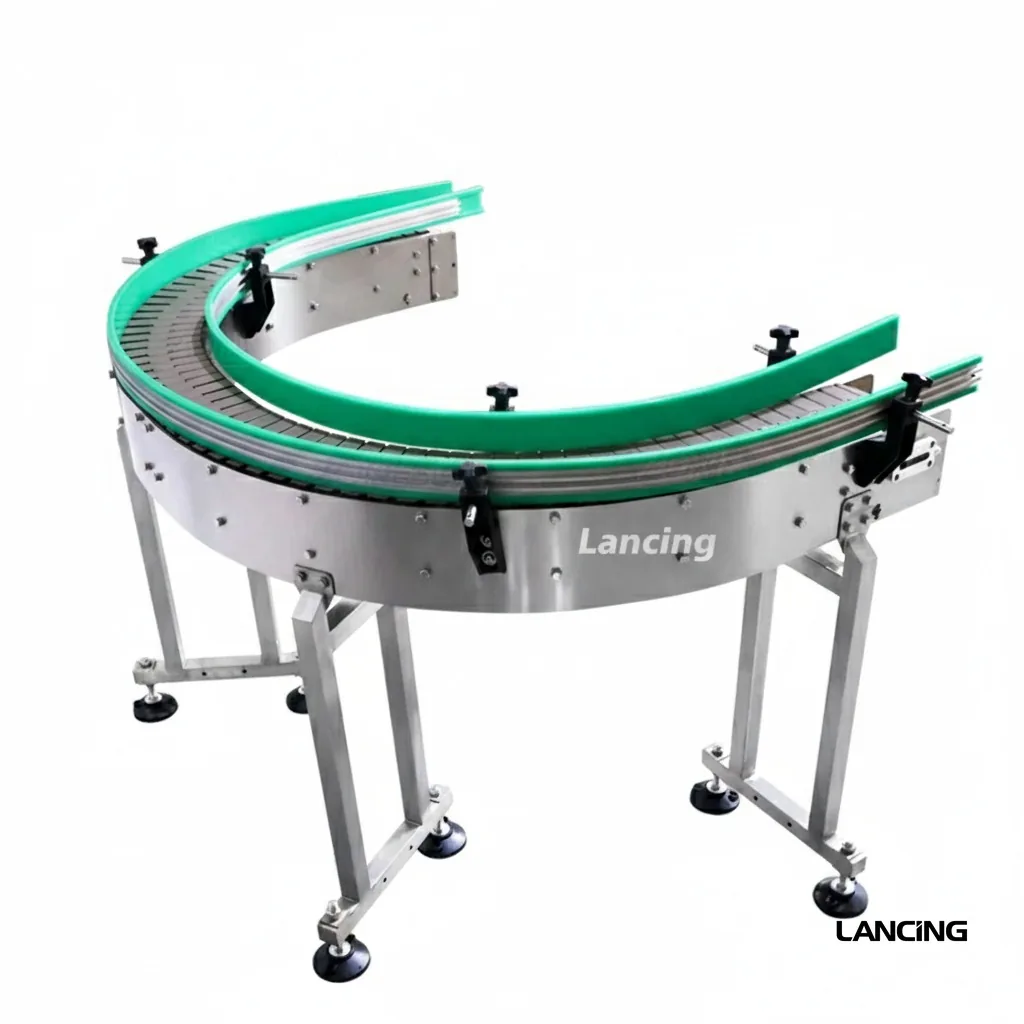
Conveyor type
Plastic slat, tabletop chain and stainless-frame conveyors for bottles, jars and container handling.
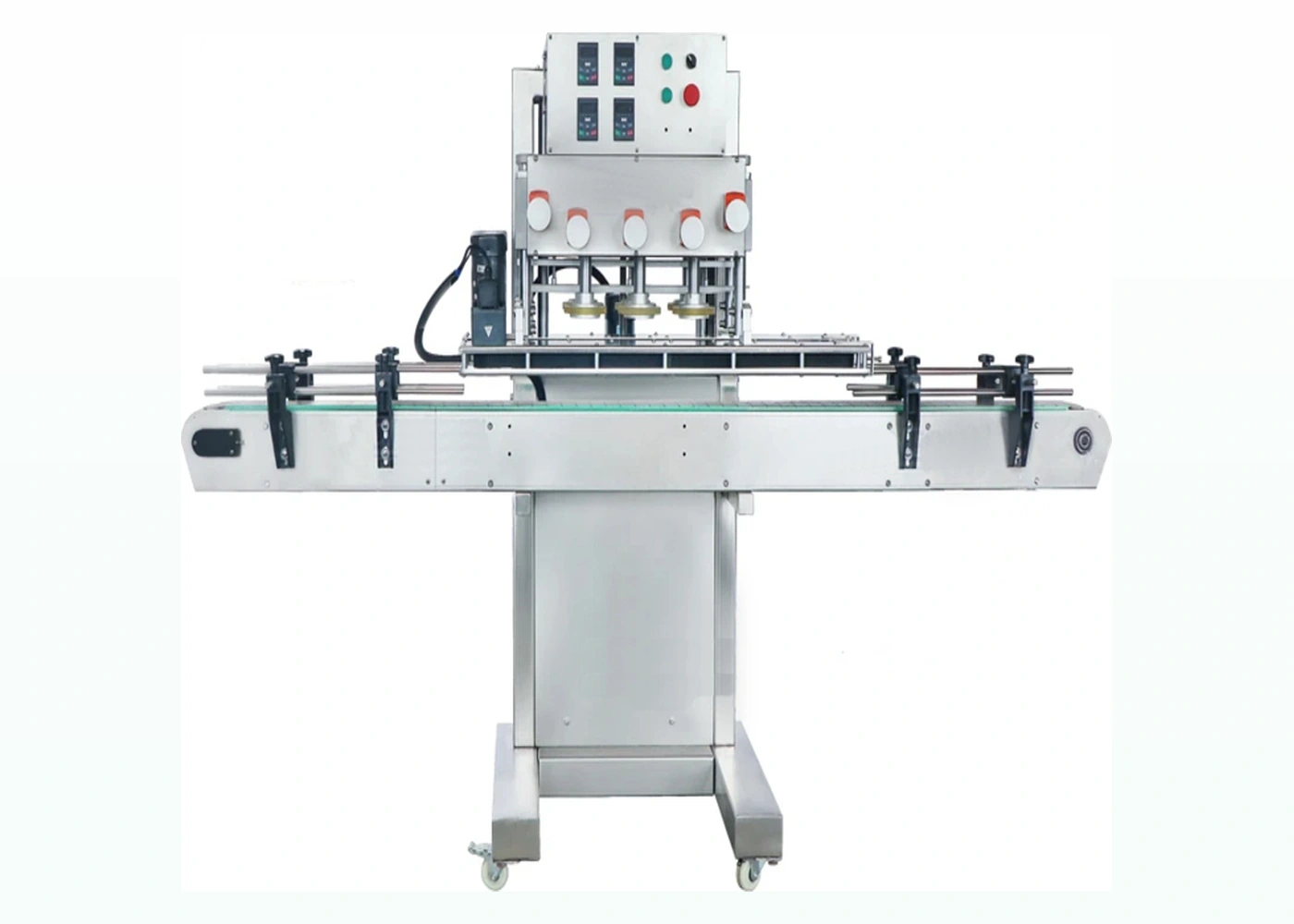
Conveyor type
Motorised roller conveyor sections for cartons, trays, totes, boxes and controlled product movement.
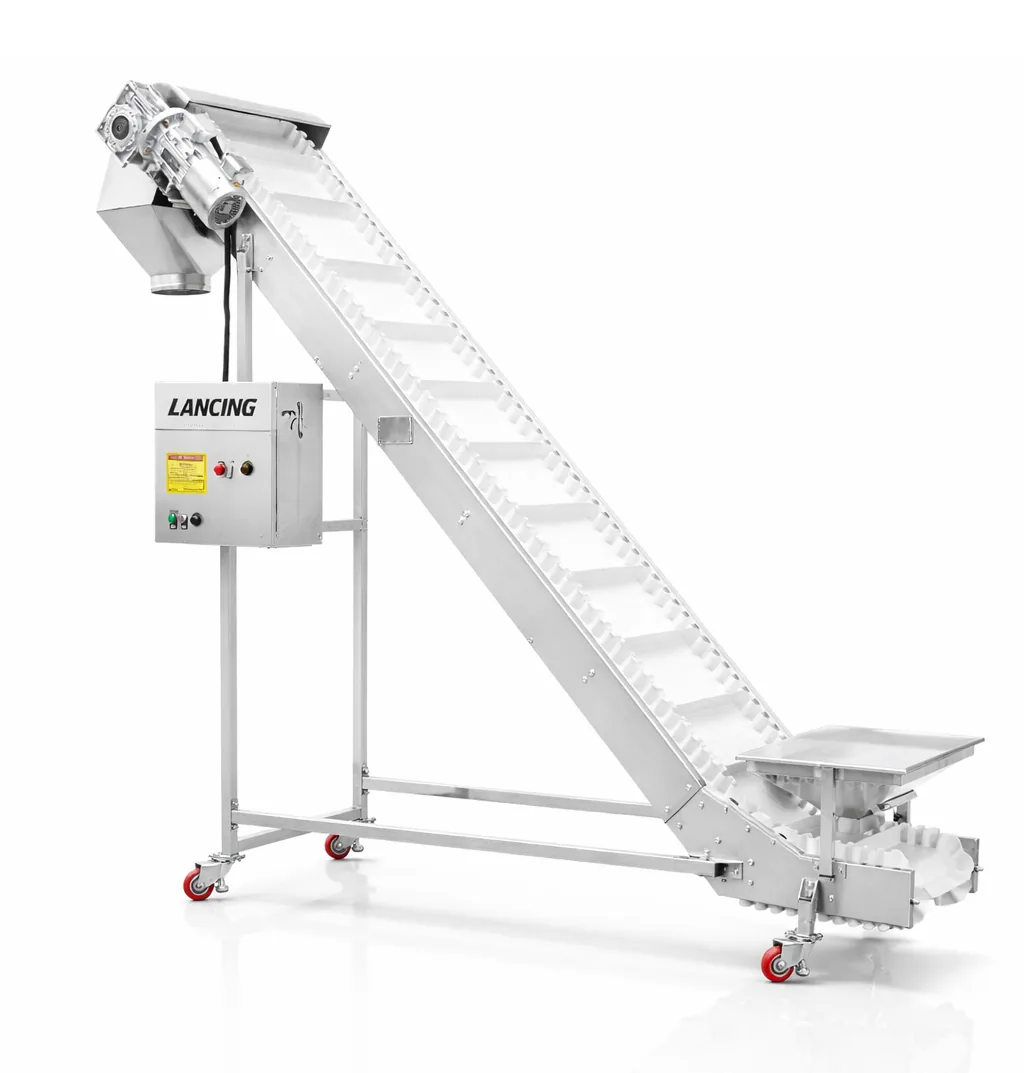
Conveyor type
Incline and elevator conveyors for moving packs between heights without disrupting line flow.
Conveyor type
Curved, U-shape and bend conveyors for changing line direction in restricted production space.
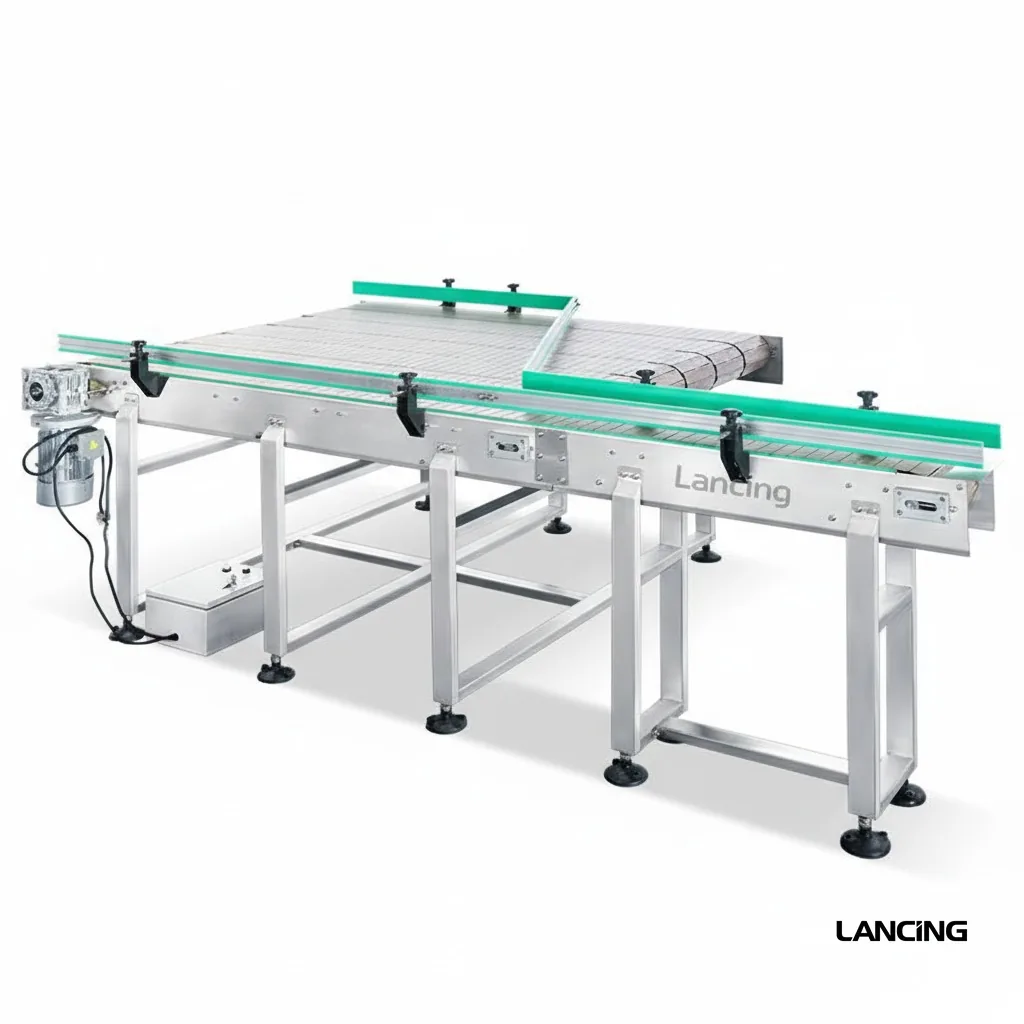
Machine infeed/outfeed
Stable infeed, discharge and outfeed conveyors for fillers, cappers, labellers, coders and inspection systems.
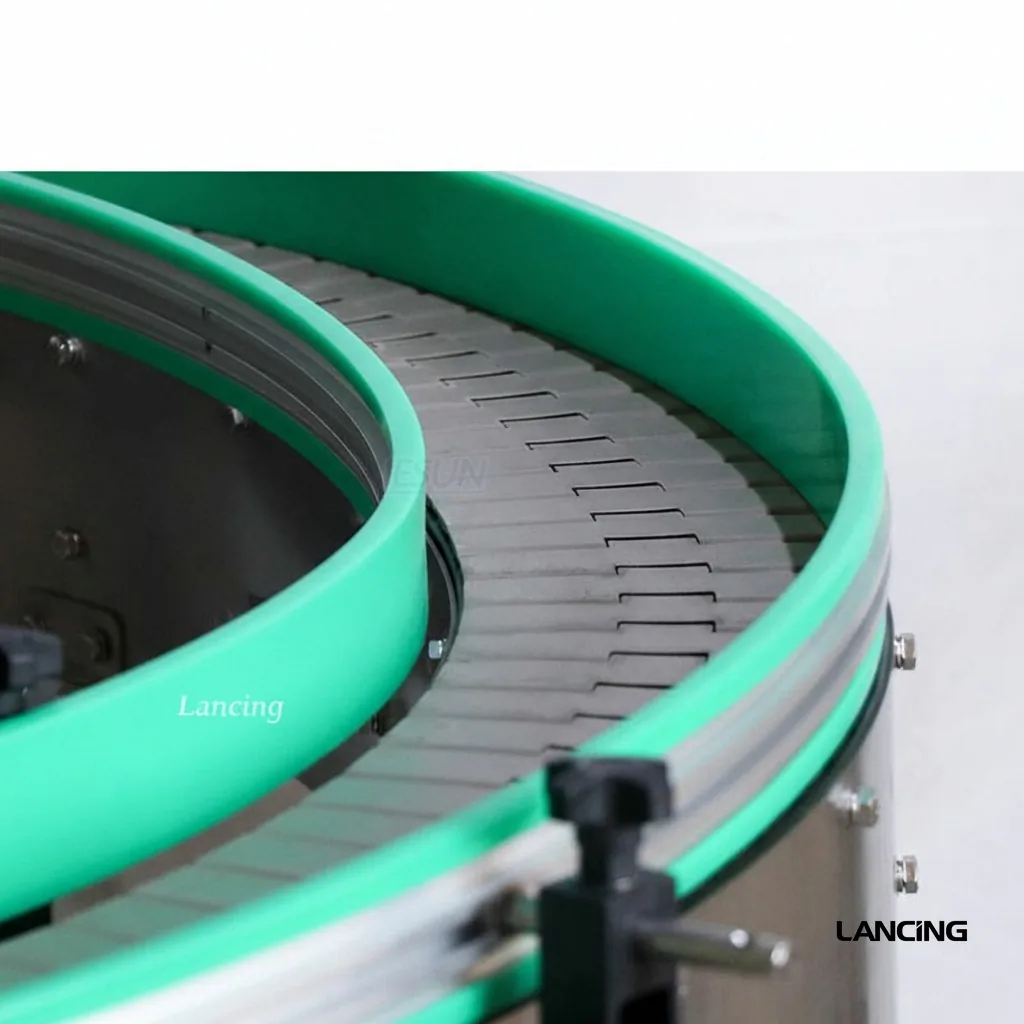
Buffering and spacing
Accumulation, buffering and spacing systems that help production continue through short machine interruptions.
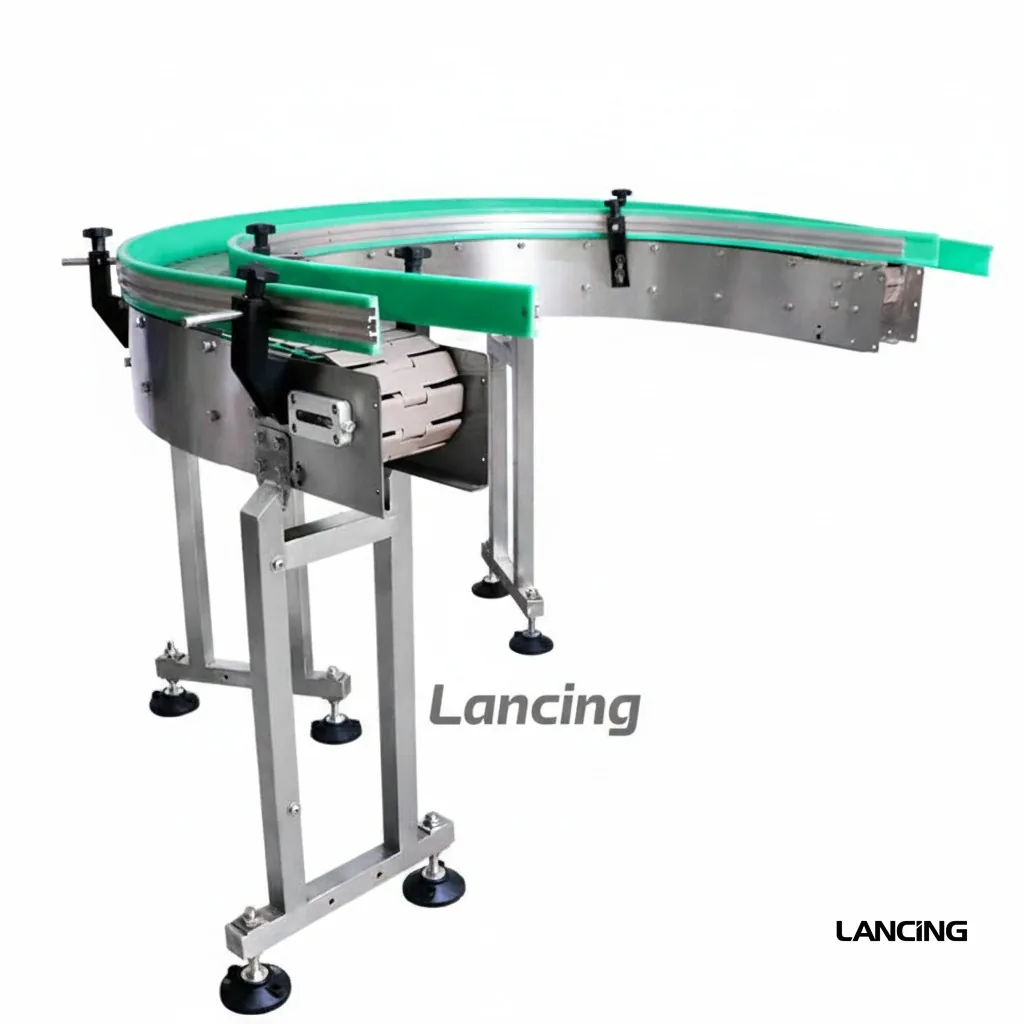
Compact accumulation
Rotary tables and lazy-susan accumulation routes for bottles, jars and small packs before or after machinery.
FAQs
Start with the product, route or problem you need to solve. The quote checklist then shows which details help us price the conveyor accurately.
Yes. Send product details, available space, speed target and any photos or layout sketches, and we will help narrow the conveyor options.
Different conveyor types solve different handling problems, so it helps to compare the product, route, transfer points, speed and space available.
Conveyor selector
Use the selector as an initial engineering prompt. It does not replace a sample review, dimensional drawing or safety assessment, but it helps identify which conveyor families deserve a closer look.
Showing all conveyor starting points.
Continuous product support for packs, cartons, components and selected inclines.
Guided bottle, jar and rigid-container handling, including curved routes.
Driven movement and controlled zoning for firm-based cartons, trays and totes.
Height changes using a suitable belt, cleat and restraint arrangement.
Direction changes where a straight route will not fit the available floor space.
Controlled buffering between processes with different operating patterns.
The smallest base, lightest pack and least stable format often control belt width, roller pitch, guide position and transfer design.
Include every intended product, speed range, cleaning method and changeover. A conveyor designed around only the largest pack may not control the smallest one.
Provide transfer heights, direction of travel, sensor and interlock needs, guarding boundaries and the intended handover to adjacent machinery.
Product shortlist
Send the load dimensions, route, speed and environment. Lancing can narrow the suitable conveyor formats before a detailed quotation.
Selection evidence
Belt, slat chain and powered rollers support products differently. The choice should consider the rigid base length, product stability, guide contact, route, accumulation, cleaning and transfer detail. Separately decide whether positive motorised movement is required throughout the route or whether a controlled gravity section is suitable for part of the handling method.
| Decision | Evidence to supply | Useful next guide |
|---|---|---|
| Continuous support or discrete rollers | Smallest base, stiffness, seams, feet and transfer-gap tolerance. | Belt vs roller vs slat |
| Powered or gravity movement | Route slope, manual input, required speed control, restart and accumulation. | Motorised vs gravity |
| Drive duty | Moving load, incline, speed range, starts, acceleration and environment. | Motor and gearbox selection |
| Control architecture | Zones, sensors, run permits, blocked state, faults and machine handshakes. | Sensors and controls integration |