
What details help with a conveyor maintenance checklist quote?
Product size, weight, conveyor route, start and discharge heights, speed or output and photos of the existing area all help produce a more accurate conveyor recommendation.
Conveyor maintenance
Practical maintenance checklist for powered conveyors, covering belts, chains, guides, drives, rollers and general line checks.
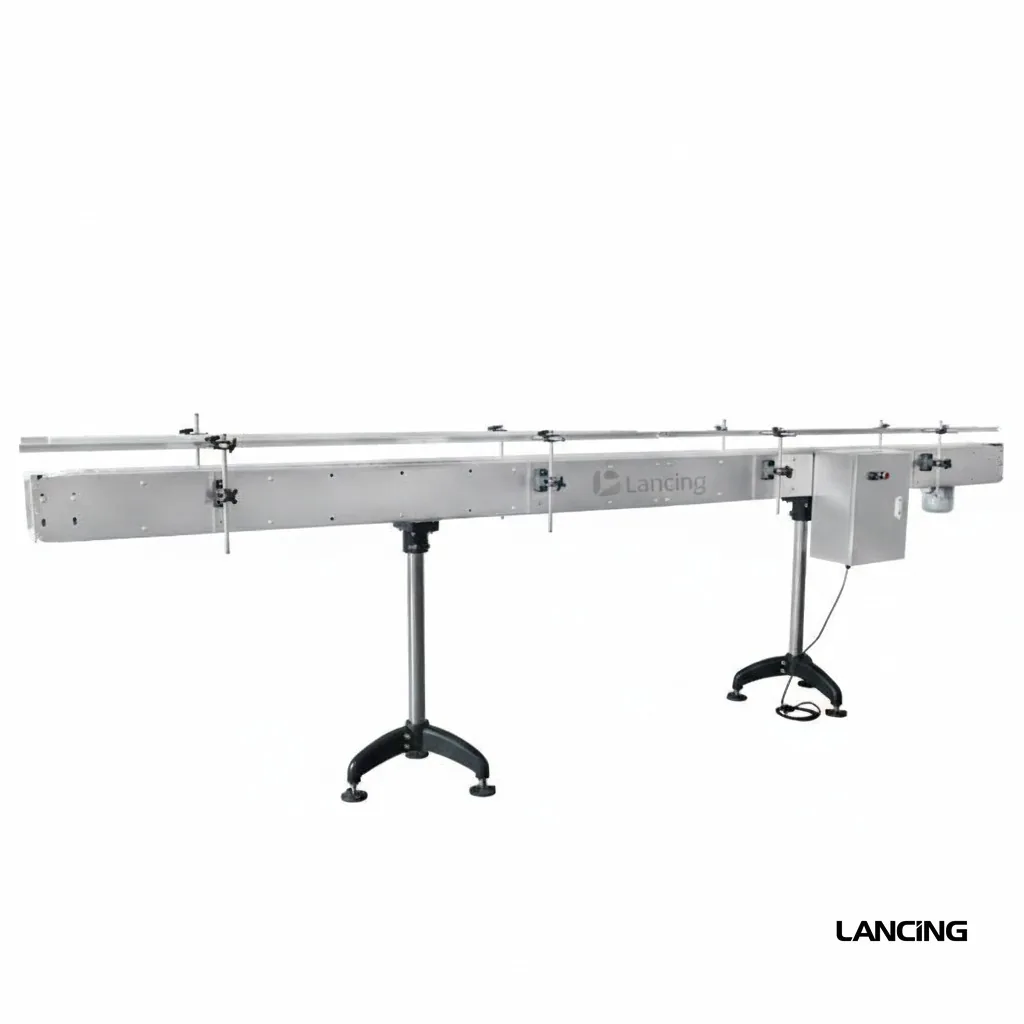
Planning support
A planned conveyor maintenance routine helps reduce stoppages, guide damage, tracking problems and unexpected drive issues.
The checks depend on conveyor type, working environment and how intensively the line runs. Belts, slat chains, bearings, rollers, side guides and drive units all need periodic review.
If a conveyor is causing repeated downtime, a servicing review may identify whether adjustment, replacement parts or a layout change is needed.
Application detail
Application detail
Common questions
Product size, weight, conveyor route, start and discharge heights, speed or output and photos of the existing area all help produce a more accurate conveyor recommendation.
Yes. Conveyor layouts can usually be planned around existing machinery, provided the machine height, infeed and discharge positions and access requirements are known.
Powered Conveyors UK supports UK production, packing and handling projects from enquiry through specification and quotation support.
Related conveyor information
Related
Continue planning the conveyor type, layout and quote details for this project.
View details →Related
Continue planning the conveyor type, layout and quote details for this project.
View details →Related
Continue planning the conveyor type, layout and quote details for this project.
View details →Need a conveyor quote?
Send the basic product, route and output details and we will help identify the right conveyor options.
Maintenance planning
A maintenance schedule should identify which observations can be made during normal operation and which tasks require the conveyor to be stopped, isolated and proved safe. The manufacturer's instructions and the site risk assessment determine the final method.
| Area | Routine observation | Isolated maintenance task |
|---|---|---|
| Belt or chain path | Tracking, noise, contamination and product behaviour. | Adjustment, tensioning, joining, replacement and access behind guards. |
| Rollers and bearings | Noise, vibration, rotation and visible damage. | Removal, lubrication where specified, alignment and replacement. |
| Drive | Noise, temperature indication and leakage. | Guard removal, coupling, gearbox, motor and brake work. |
| Guides and transfers | Product contact, looseness and snag points. | Realignment, component replacement and structural adjustment. |
| Sensors and controls | Correct detection and fault indication. | Electrical testing, interlock changes and safety-circuit work. |
For guarding, isolation and cleaning boundaries use the controls, safety and washdown guide. For transfer inspection use transfer layout details.
Maintenance scope
Send the route, environment and service constraints so access for cleaning, belt or chain work, drives and sensors can be included in the layout.
Evidence-led maintenance
Repeatable observations make maintenance more useful than a generic “check conveyor” task. Record belt position, contamination, unusual sound, vibration, sensor condition, drive alarms, guard/interlock condition and any product-specific symptom at the same inspection points.
Use the belt tracking guide to record loaded and unloaded drift before adjustment.
Use the guarding review guide when access, isolation, emergency-stop coverage or an interface changes.