
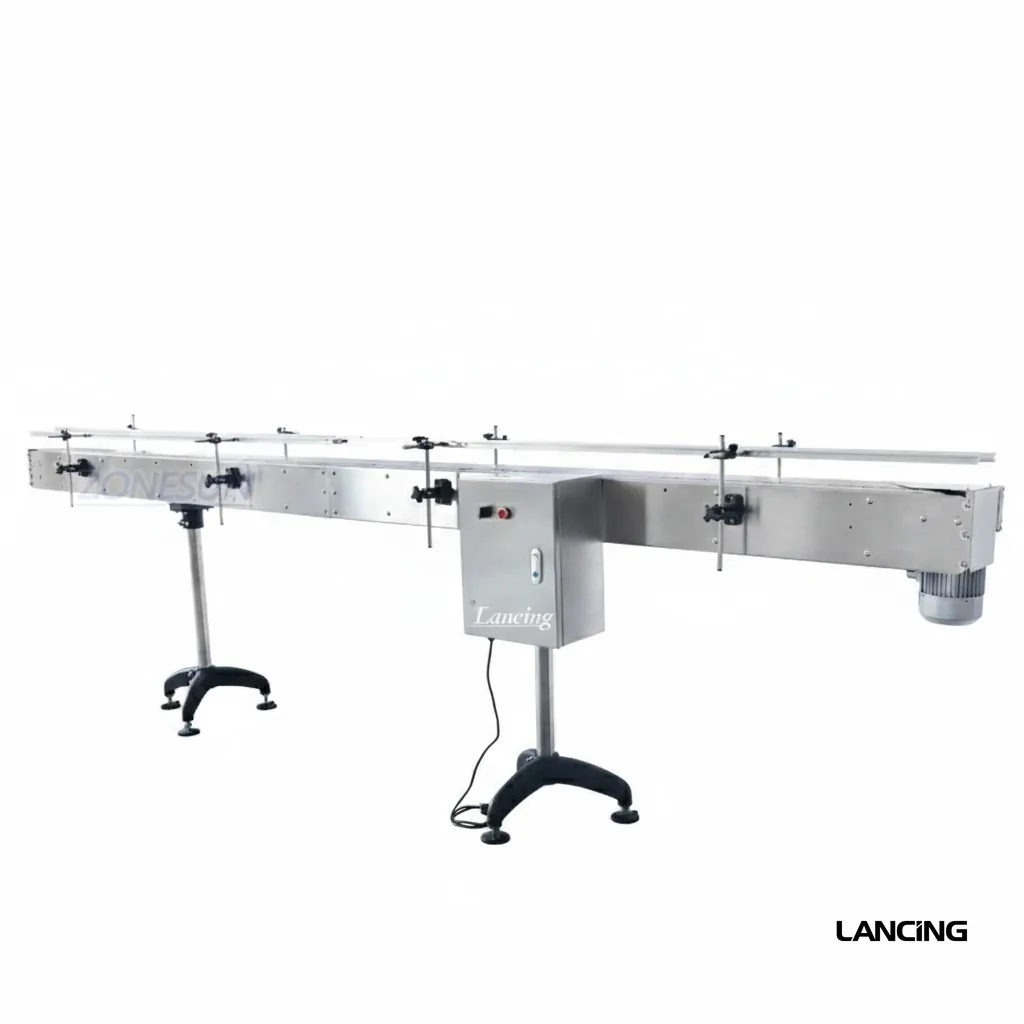
Conveyor type
Belt Conveyor Systems
Flat belt, food-grade, cleated and modular belt conveyors for product transfer, packing and line linking.
Good for cartons, packs and components that need full-base support.
Explore belt conveyor systems →Conveyor type comparison
Belt, roller and slat conveyors each solve different product-handling problems. The right choice depends on what is being moved and how it needs to travel.
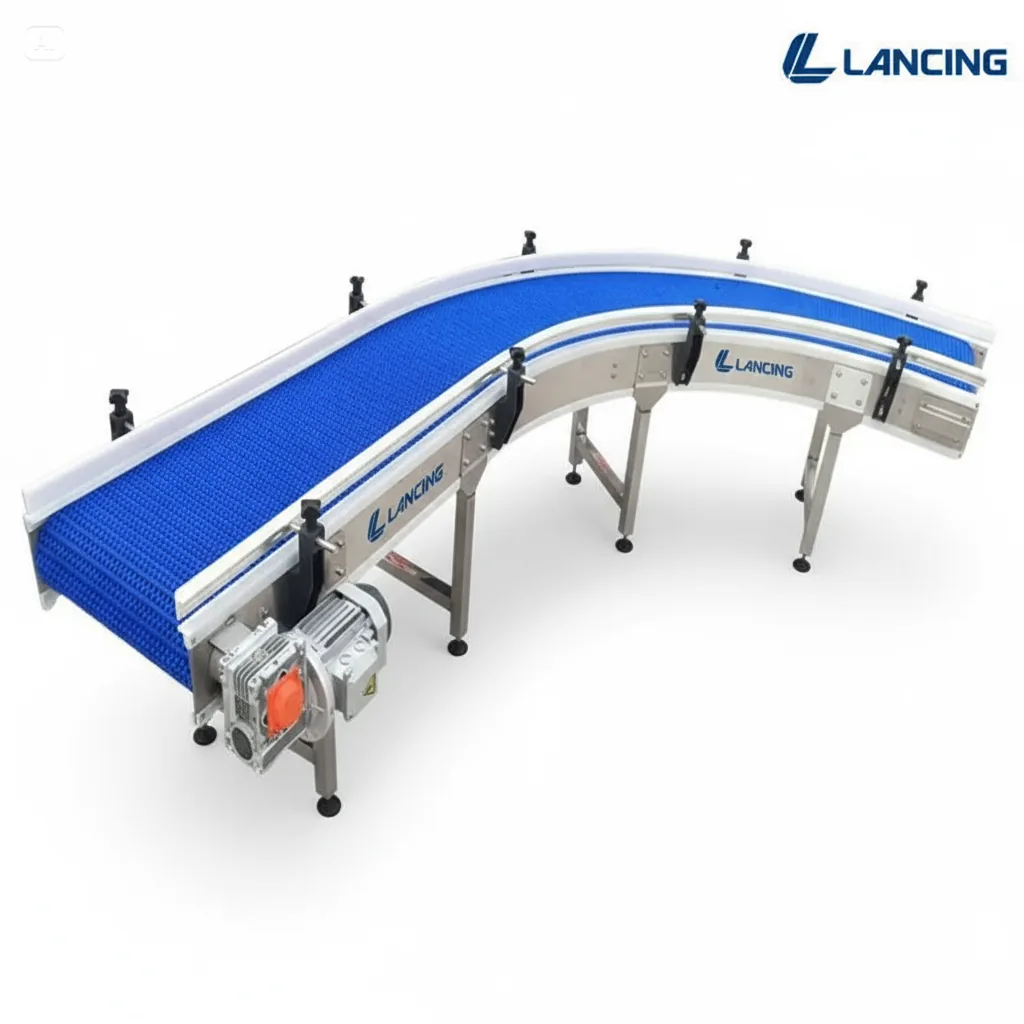
Conveyor comparison
Belt conveyors provide continuous support. They are useful for products that need a full carrying surface, such as trays, pouches, small cartons or items that would not sit well across rollers.
Powered roller conveyors are commonly used for rigid, flat-bottomed loads such as cartons, totes and boxes. They can support accumulation, zoning and controlled transport where roller pitch is correctly specified.
Slat chain conveyors are a strong choice for upright bottles, jars and containers, especially in packaging lines where side guides, curves and machine interfaces are important.
Best used for
Available routes
Conveyor comparison
Slat chain conveyors are often used for upright bottles and containers because they work well with side guides and curves.
Powered rollers suit many rigid flat-bottomed cartons; belts can be better for smaller or less stable packs.
Yes. Mixed conveyor layouts are common when different stages need different support, bends, accumulation or transfer behaviour.
Need a shortlist?
We will help narrow the conveyor type, layout considerations and the details needed for a practical quotation.
Related conveyor options
Conveyor type
Flat belt, food-grade, cleated and modular belt conveyors for product transfer, packing and line linking.
Good for cartons, packs and components that need full-base support.
Explore belt conveyor systems →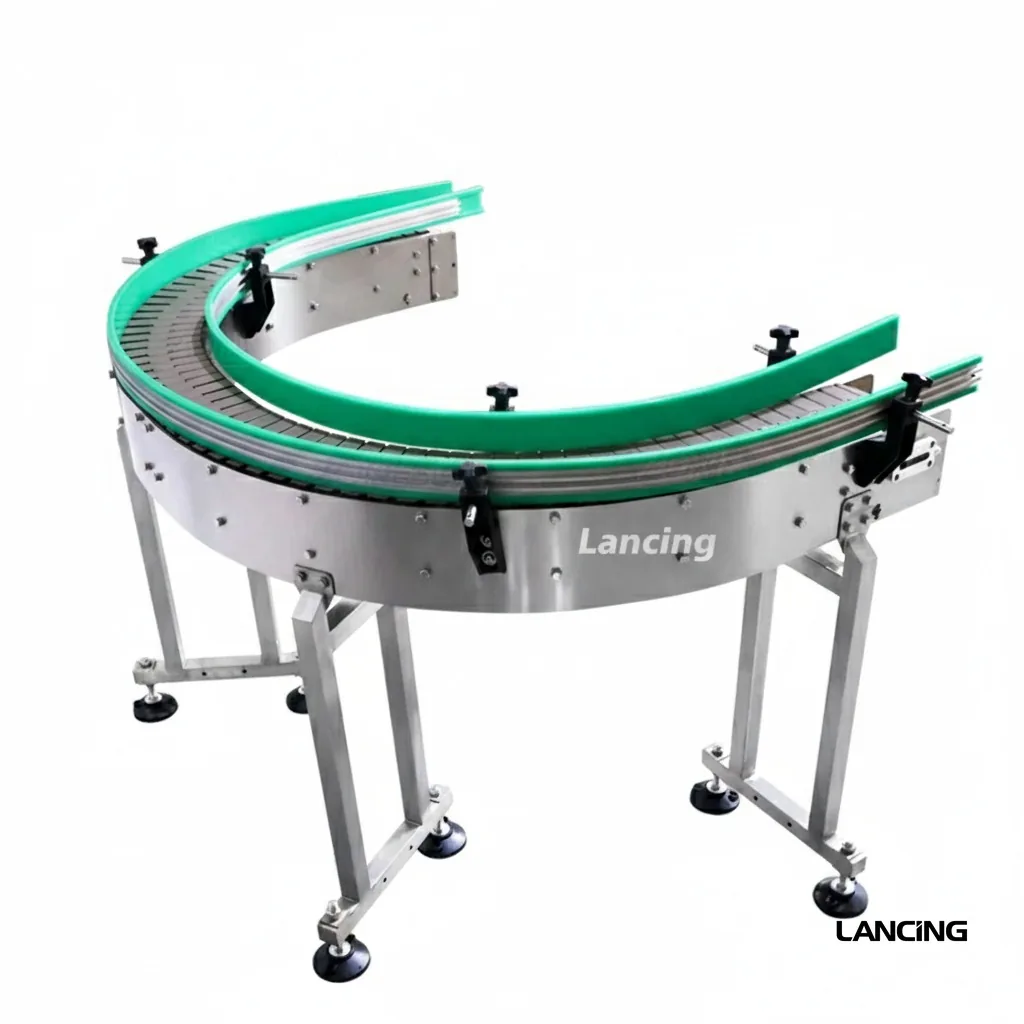
Conveyor type
Plastic slat, tabletop chain and stainless-frame conveyors for bottles, jars and container handling.
Good for bottles, jars and containers that need stable guided movement.
Explore slat chain conveyors →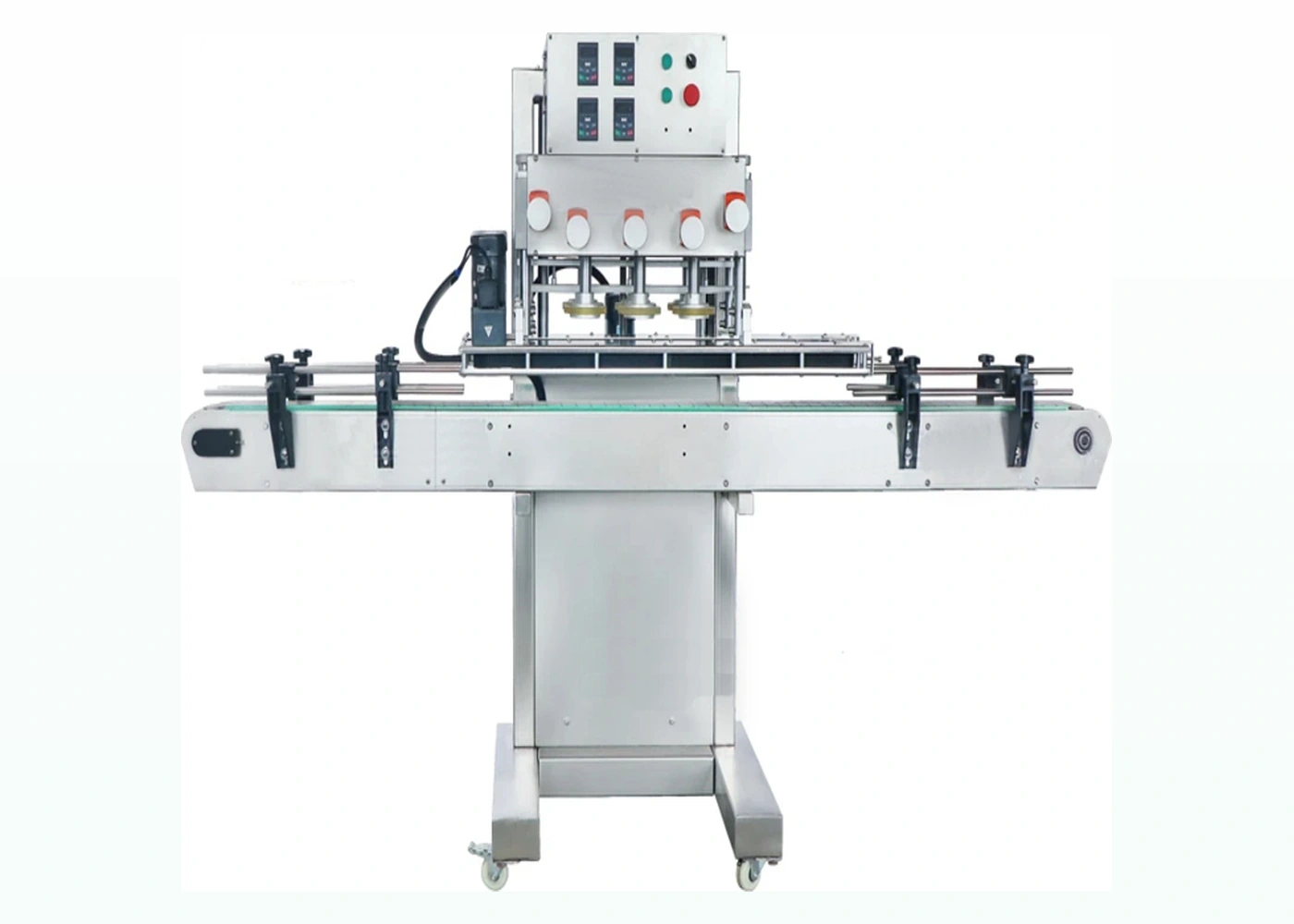
Conveyor type
Motorised roller conveyor sections for cartons, trays, totes, boxes and controlled product movement.
Good for cartons, trays, totes and boxes with a firm base.
Explore powered roller conveyors →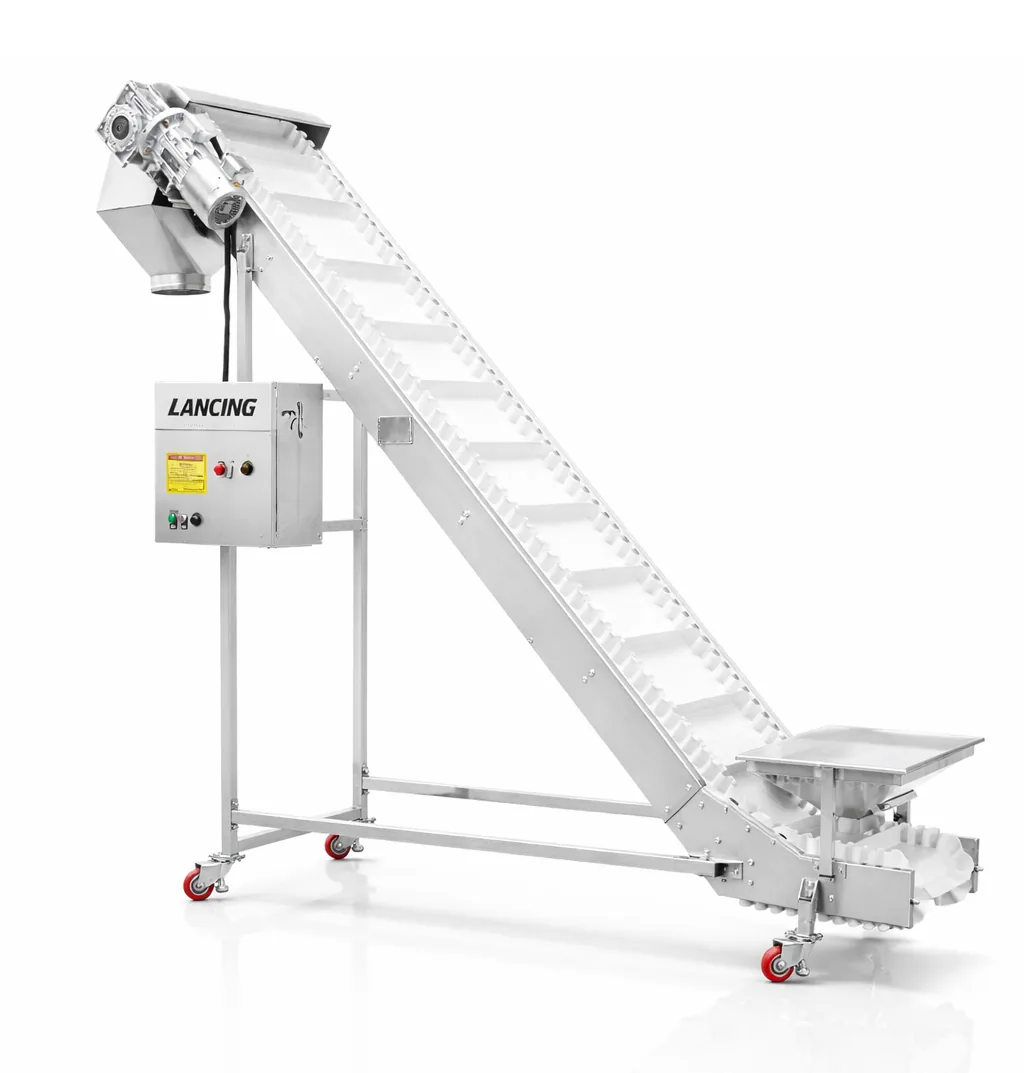
Conveyor type
Incline and elevator conveyors for moving packs between heights without disrupting line flow.
Good for moving products between heights while keeping the line flowing.
Explore incline conveyors →Engineering comparison
The conveyor family should be selected against the least favourable product and operating condition. The table is qualitative because final suitability depends on the actual load, route and environment.
| Decision factor | Belt conveyor | Powered roller conveyor | Slat-chain conveyor |
|---|---|---|---|
| Product support | Continuous surface. | Discrete rollers; base must bridge pitch. | Continuous chain/slat support for suitable containers. |
| Typical load shape | Packs, components, cartons and flexible bases. | Firm-based cartons, trays and totes. | Bottles, jars and rigid containers. |
| Accumulation | Requires suitable belt/control approach. | Well suited to zoned control for firm loads. | Contact pressure and guide behaviour require review. |
| Curves | Needs a curve-capable belt or separate module. | Dedicated tapered-roller curve. | Tabletop chain can follow suitable curves. |
| Cleaning | Depends on belt, bed, frame and access. | Many gaps and bearings require environmental review. | Chain, wear strips and return path require access. |
| Small product transfer | Can use reduced nose/transfer solutions. | Pitch and module gap are critical. | Chain and transfer plate geometry are critical. |
Use belt conveyor details, powered roller details and slat-chain details with a representative sample and dimensioned route.
Technology comparison
Send the full product range and route so the conveyor options can be compared on support, transfers, controls and cleaning rather than name alone.