
Conveyor type
Belt Conveyor Systems
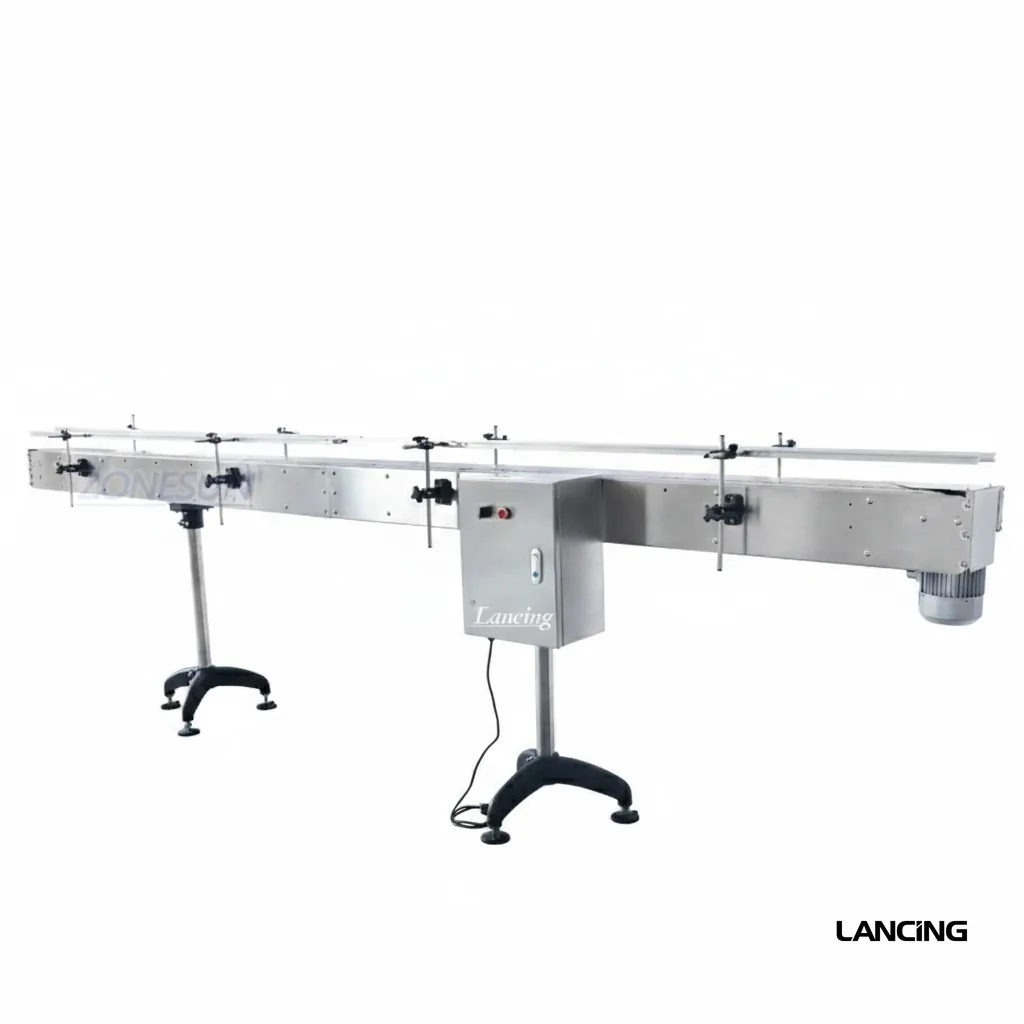
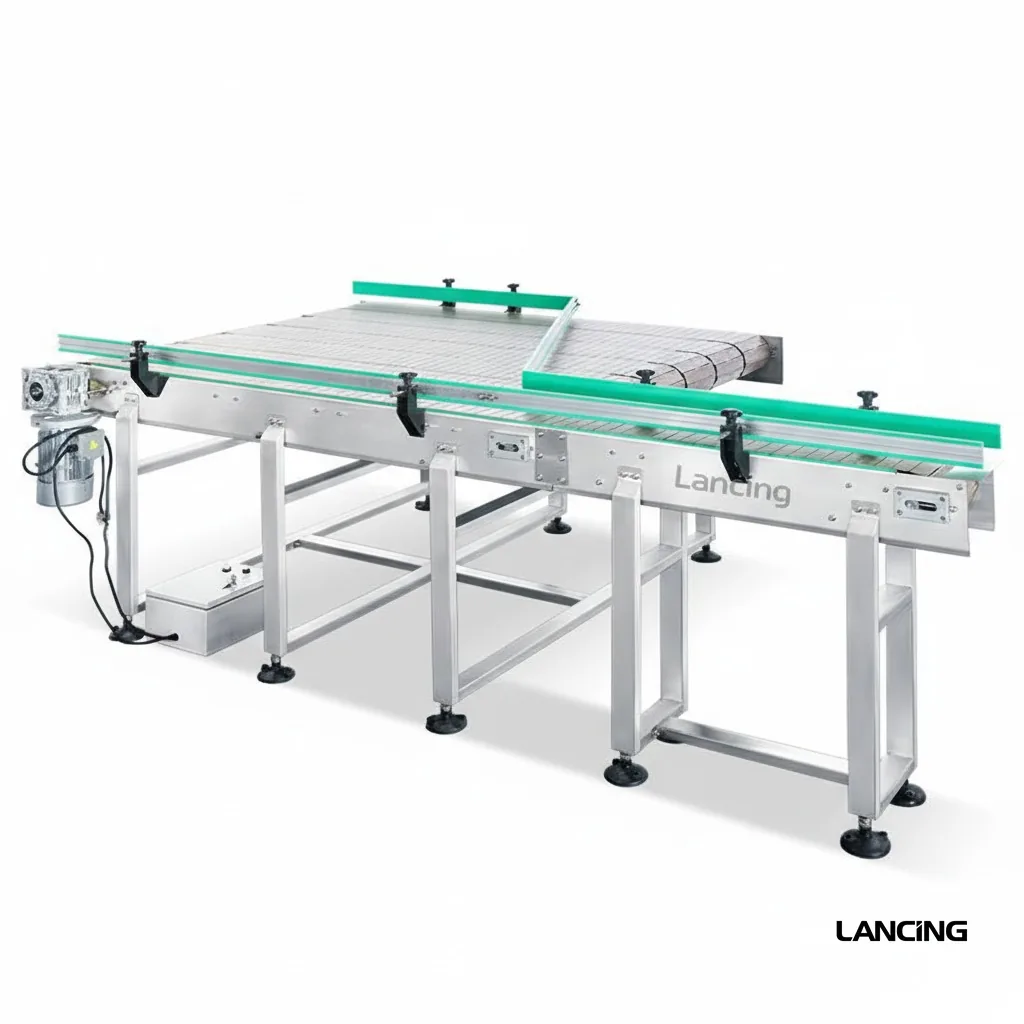
Flat belt, food-grade, cleated and modular belt conveyors for product transfer, packing and line linking.
Good for cartons, packs and components that need full-base support.
Explore belt conveyor systems →Powered conveyors, line linking and accumulation
Conveyor systems specified around the product, line layout and output target — from stand-alone powered conveyors to integrated packaging-line transfer, accumulation and outfeed systems.
Real conveyor equipment
Compare real conveyor styles for moving products, linking machines and improving line flow, including straight powered conveyors, curved slat-chain routes, infeed and outfeed conveyors, incline transfer and machinery integration.
Conveyor types
Start with the conveyor family that best matches your product, route and operating environment. Each option explains where it works well and what to check before requesting a quote.
Conveyor type
Flat belt, food-grade, cleated and modular belt conveyors for product transfer, packing and line linking.
Good for cartons, packs and components that need full-base support.
Explore belt conveyor systems →Conveyor type
Plastic slat, tabletop chain and stainless-frame conveyors for bottles, jars and container handling.
Good for bottles, jars and containers that need stable guided movement.
Explore slat chain conveyors →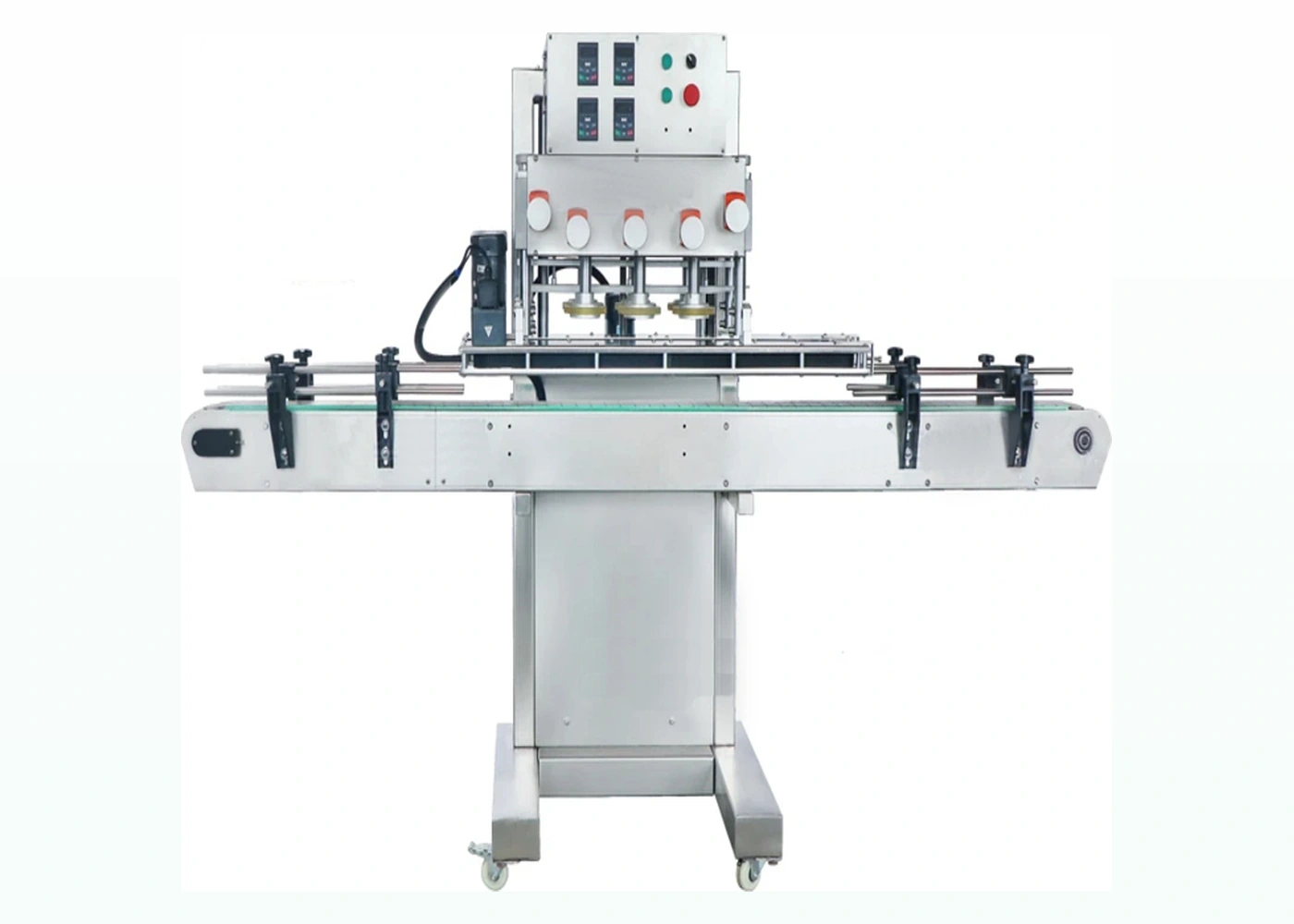
Conveyor type
Motorised roller conveyor sections for cartons, trays, totes, boxes and controlled product movement.
Good for cartons, trays, totes and boxes with a firm base.
Explore powered roller conveyors →Conveyor type
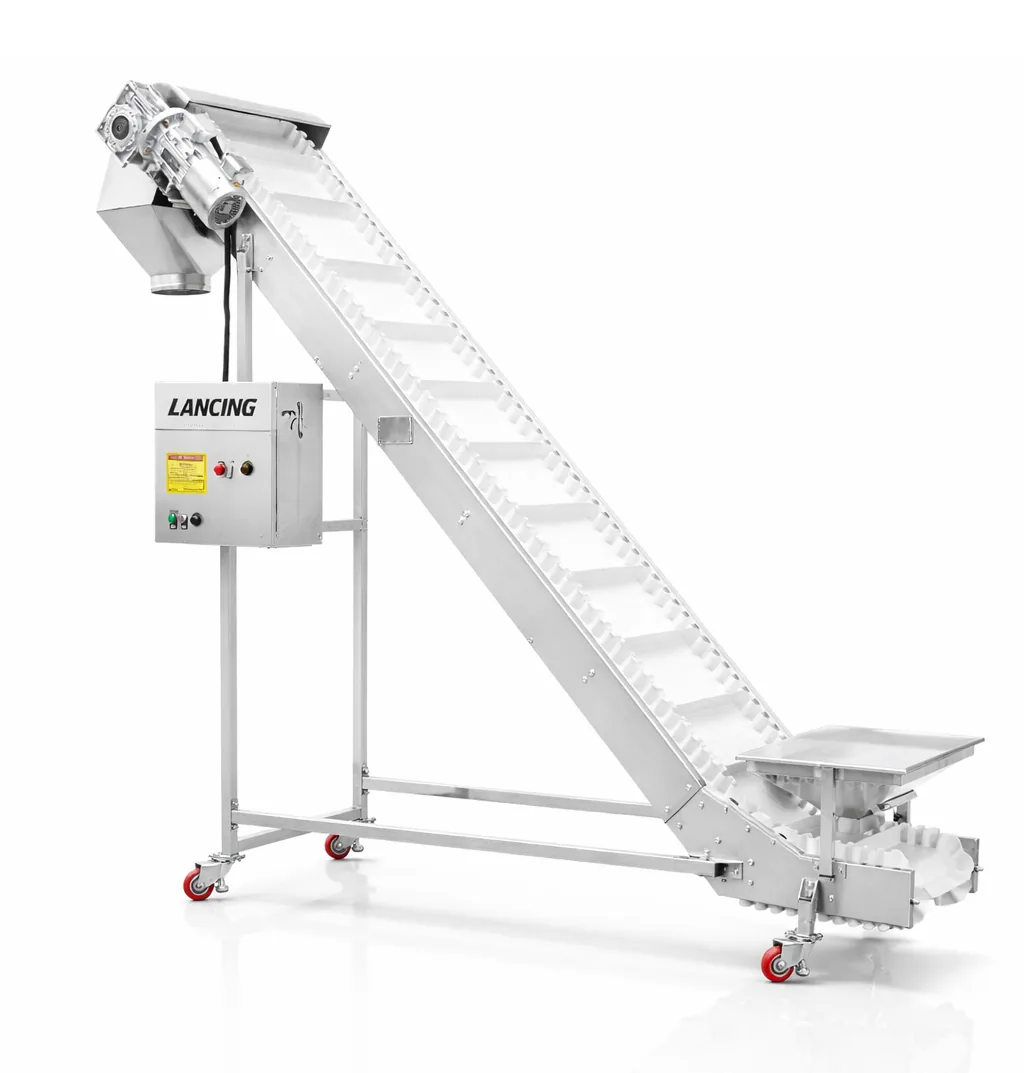
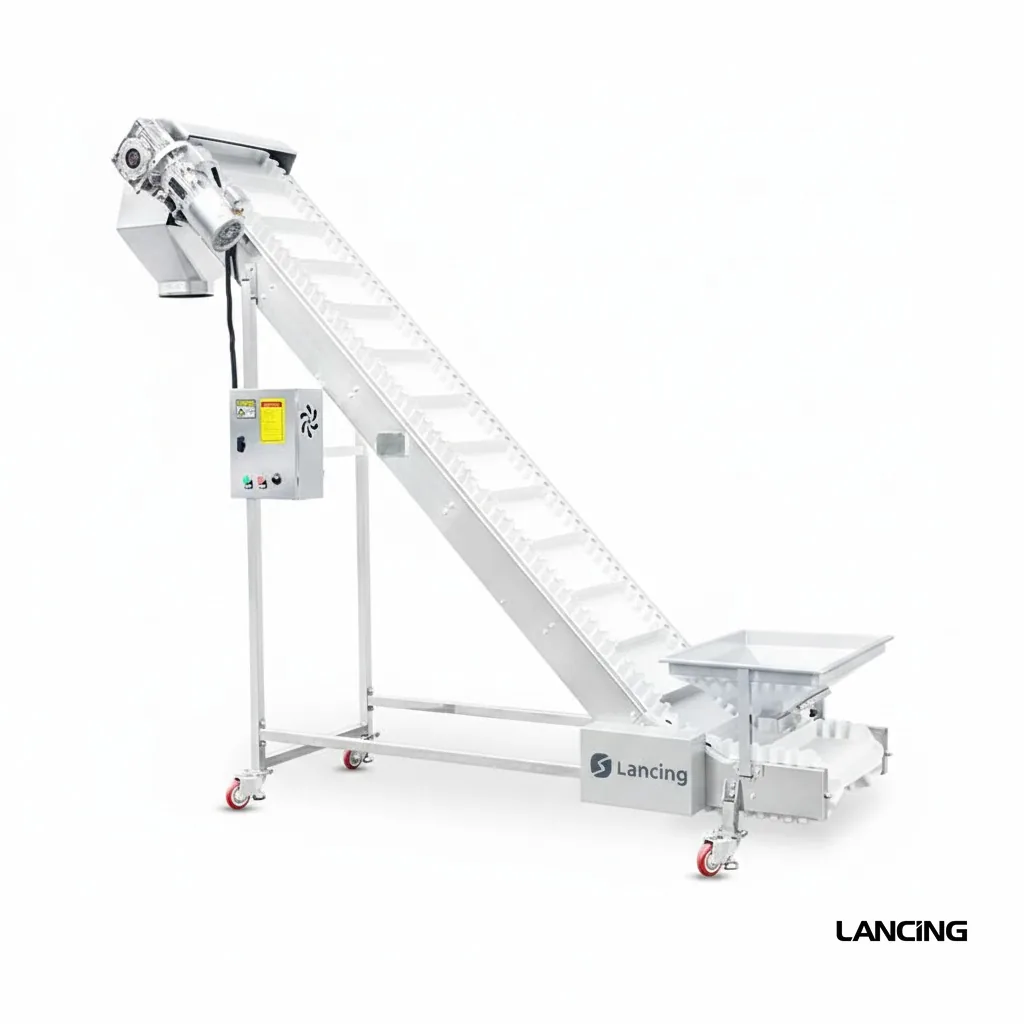
Incline and elevator conveyors for moving packs between heights without disrupting line flow.
Good for moving products between heights while keeping the line flowing.
Explore incline conveyors →Conveyor type
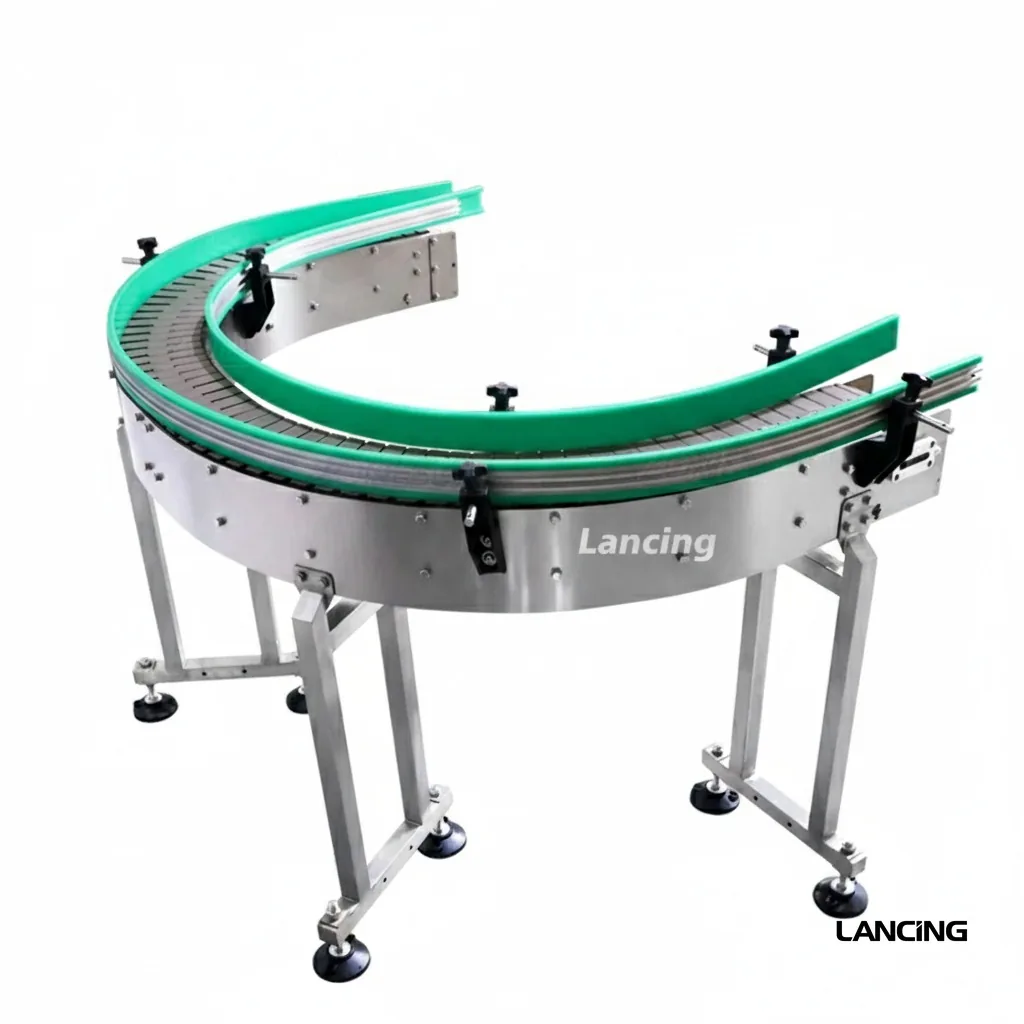
Curved, U-shape and bend conveyors for changing line direction in restricted production space.
Good for changing direction where floor space is restricted.
Explore curved conveyors →Machine infeed/outfeed
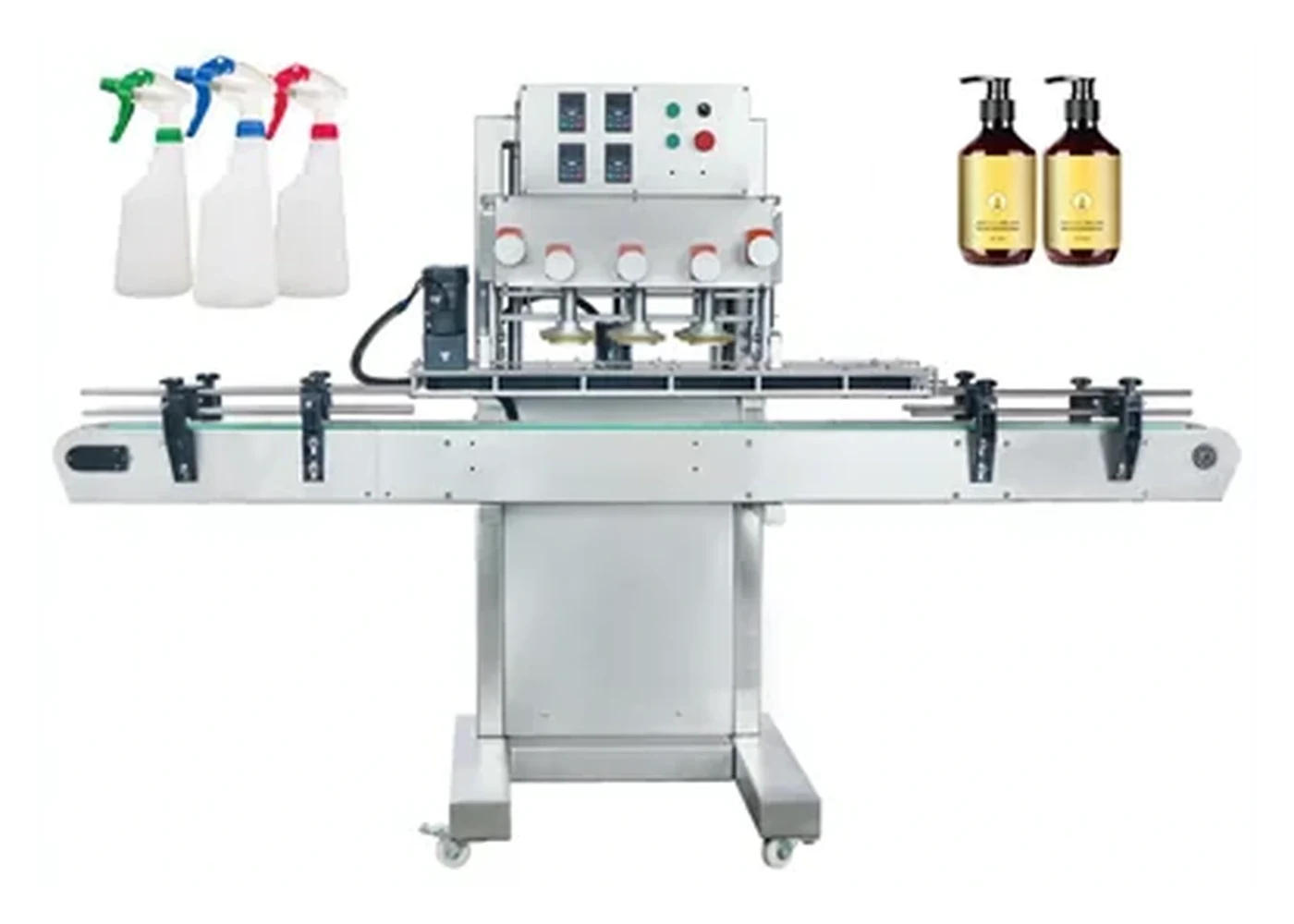
Stable infeed, discharge and outfeed conveyors for fillers, cappers, labellers, coders and inspection systems.
Good for controlled transfer into and out of fillers, cappers and labellers.
Explore infeed & outfeed conveyors →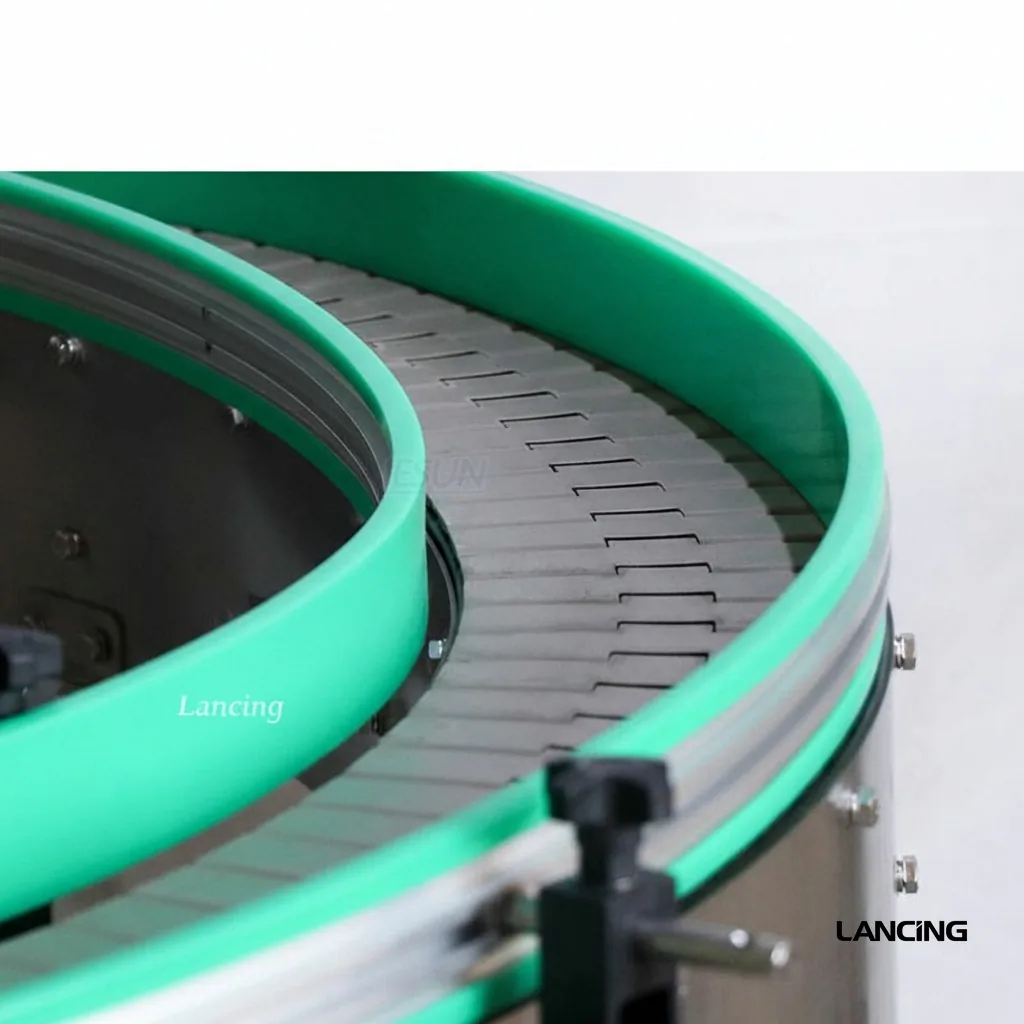
Buffering and spacing
Accumulation, buffering and spacing systems that help production continue through short machine interruptions.
Good for short buffers that reduce stoppages and keep products moving.
Explore accumulation conveyors →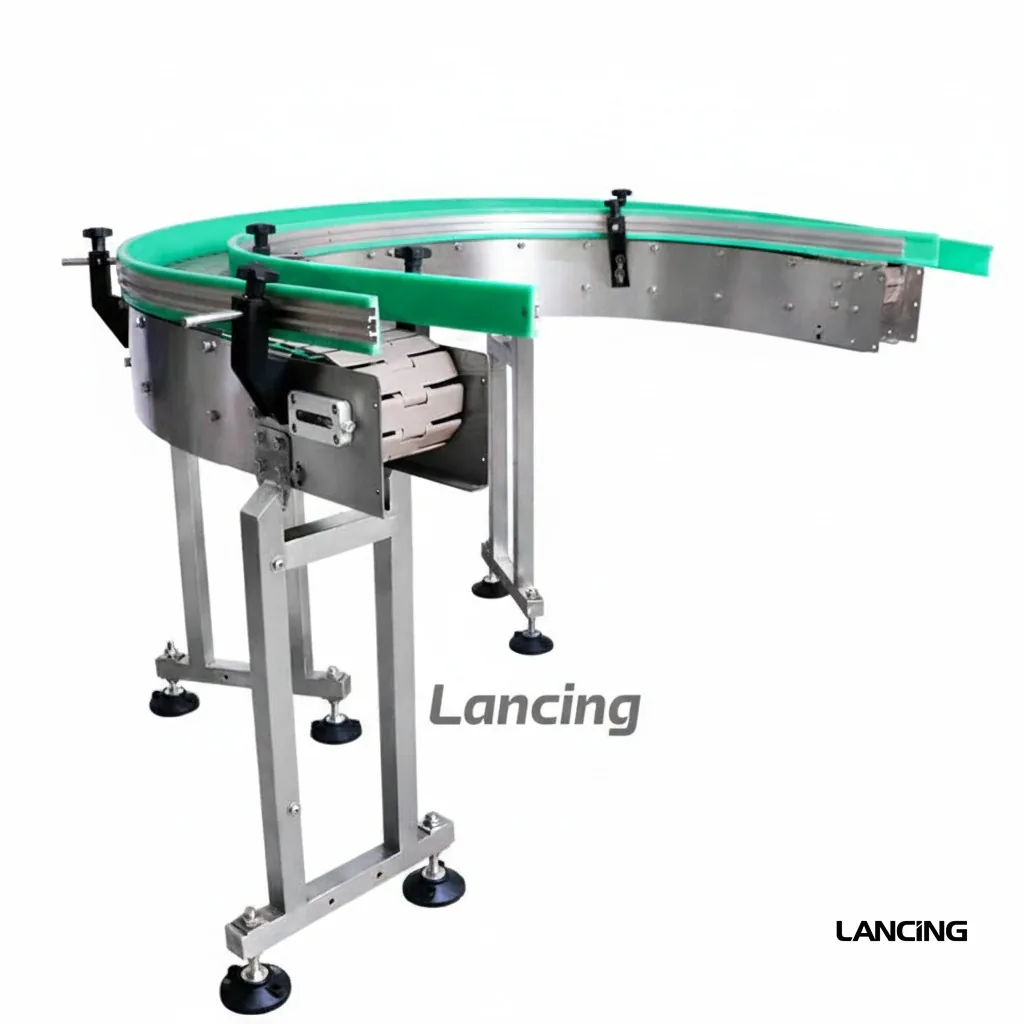
Compact accumulation
Rotary tables and lazy-susan accumulation routes for bottles, jars and small packs before or after machinery.
Good for compact buffering of bottles, jars and smaller packs.
Explore rotary accumulation tables →Conveyor planning
A conveyor can look simple on a drawing, but line performance depends on product stability, spacing, transfer height, incline angle, accumulation pressure, guide adjustment and the interfaces to neighbouring machines.
You can start with a broad handling problem or a specific conveyor type. We will help narrow the specification around product stability, floor space, transfer points, controls and the line speed you need.
Solutions
Choose by the production problem you need to solve, such as line linking, bottle handling, carton transfer, accumulation or an upgrade to an existing conveyor route.
Packaging lines
Conveyor systems for filling, capping, labelling, coding, inspection and packing lines.
Good for linking filling, capping, labelling, coding and packing stages.
Explore packaging line conveyors →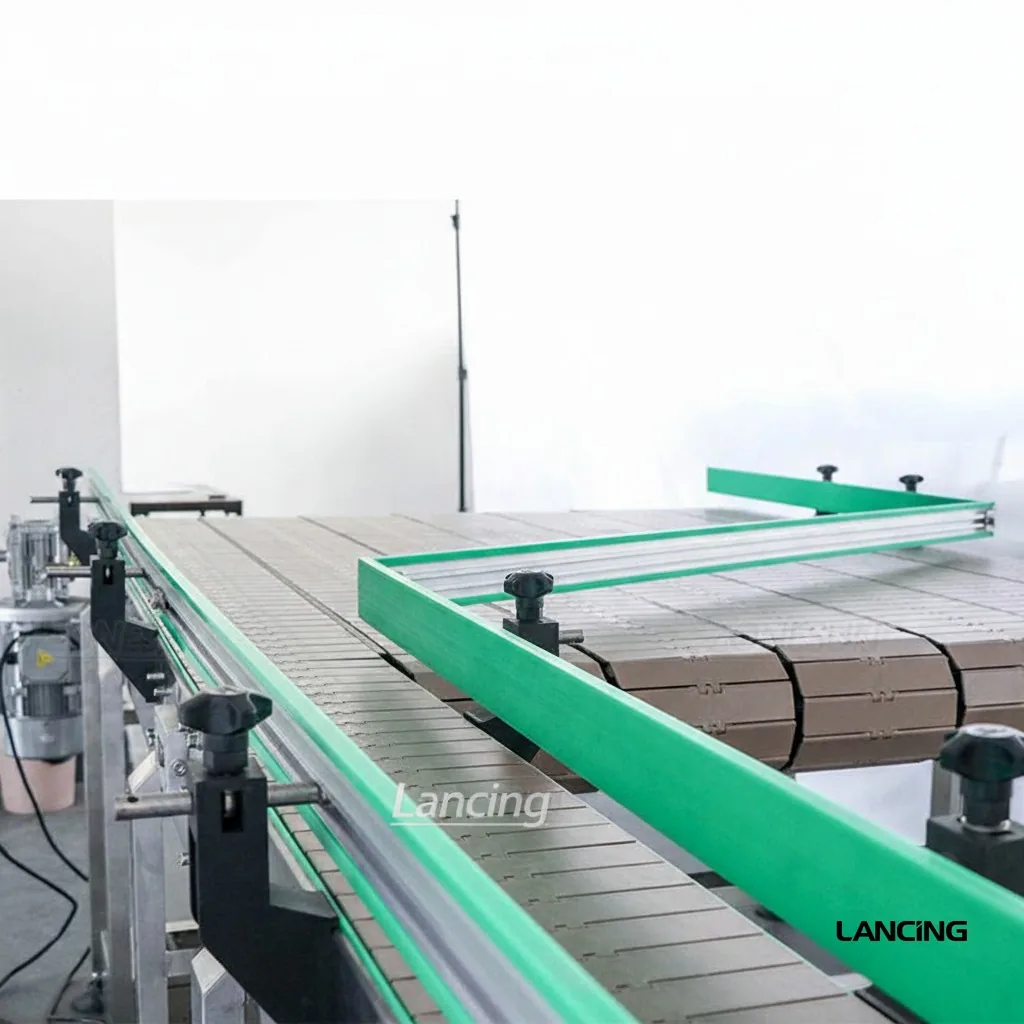
Bottle and jar handling
Slat, infeed, curved and accumulation conveyors for plastic bottles, glass bottles, jars and containers.
Good for stable movement of plastic bottles, glass bottles, jars and containers.
Explore bottle handling conveyors →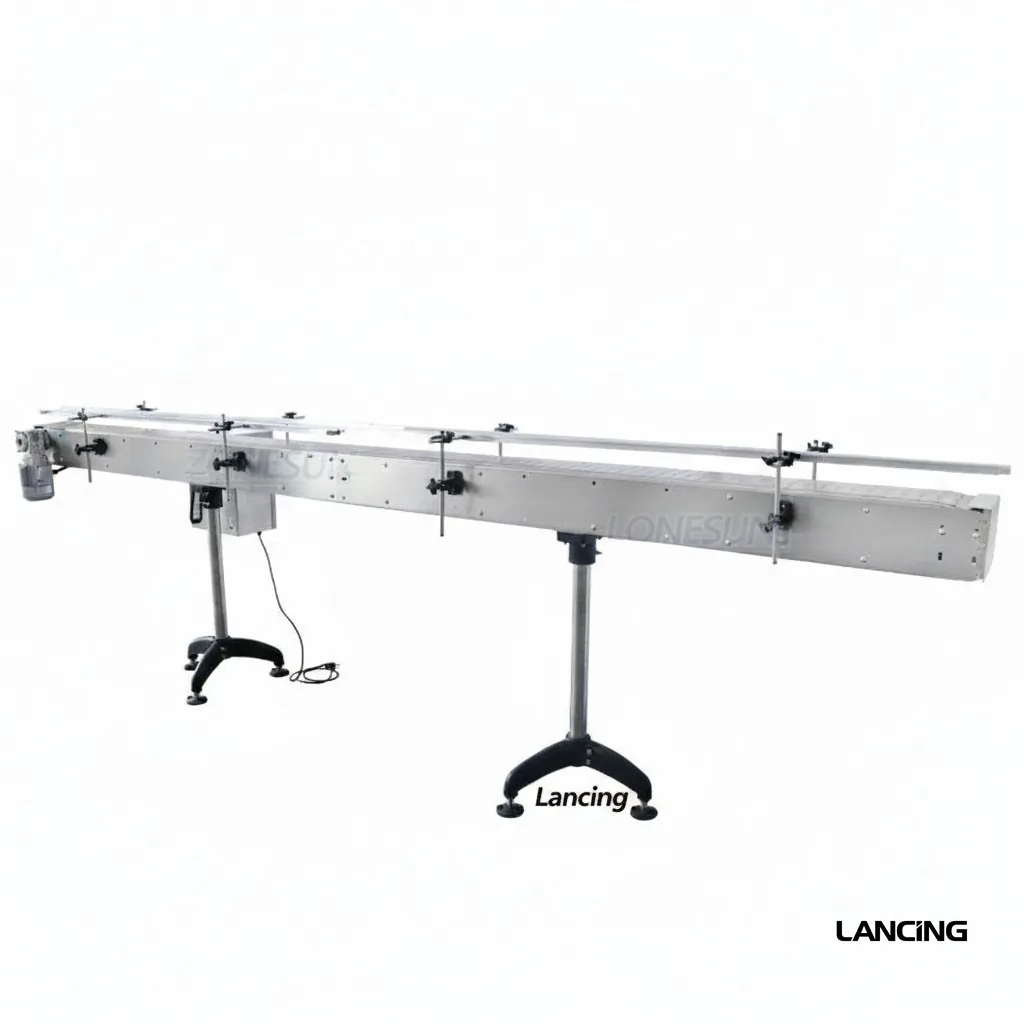
Cartons, trays and boxes
Powered conveyors for flat-bottomed cartons, trays, totes and box handling in production and packing areas.
Good for cartons, trays, totes and boxes in packing and dispatch areas.
Explore carton, tray & box conveyors →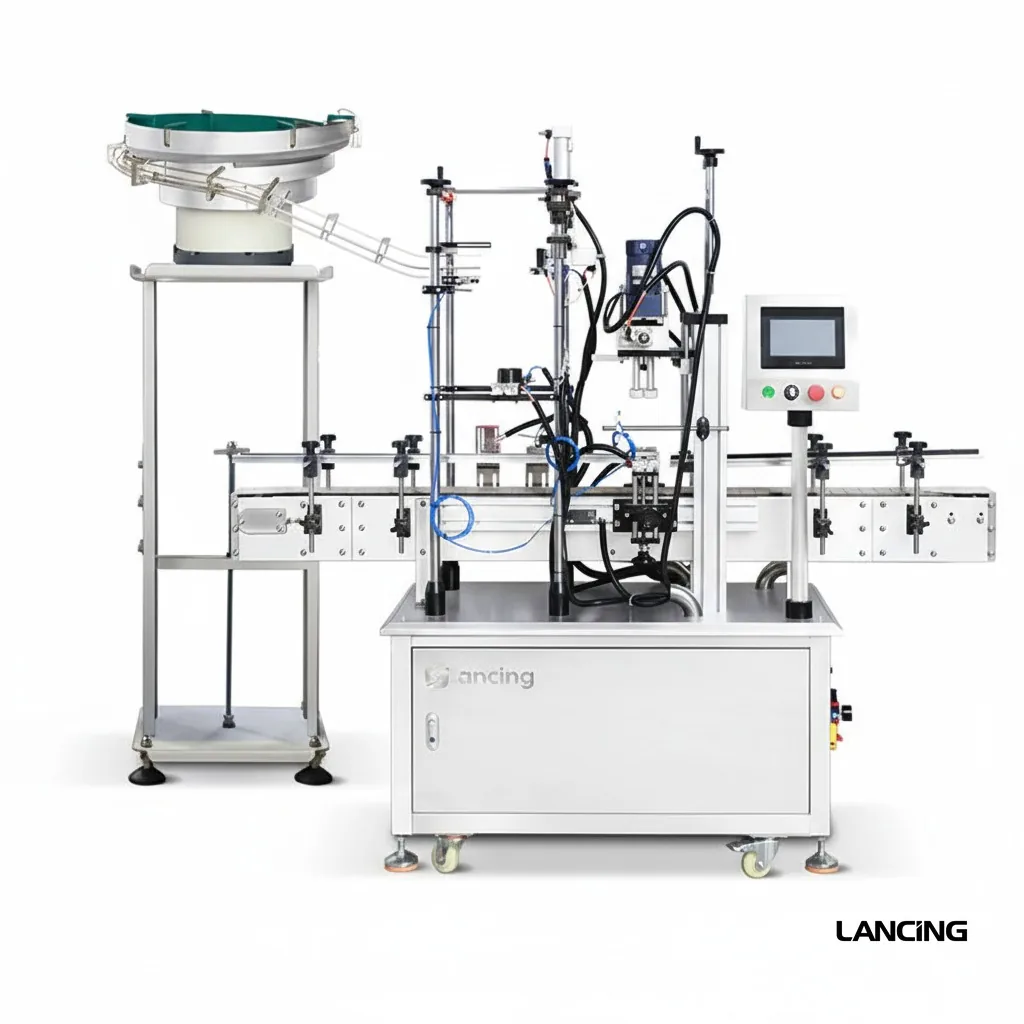
Line integration
Line layout, controls, transfer points and machine-to-machine integration for reliable production flow.
Good for matching conveyors to machines, speeds, controls and transfer heights.
Explore conveyor line integration →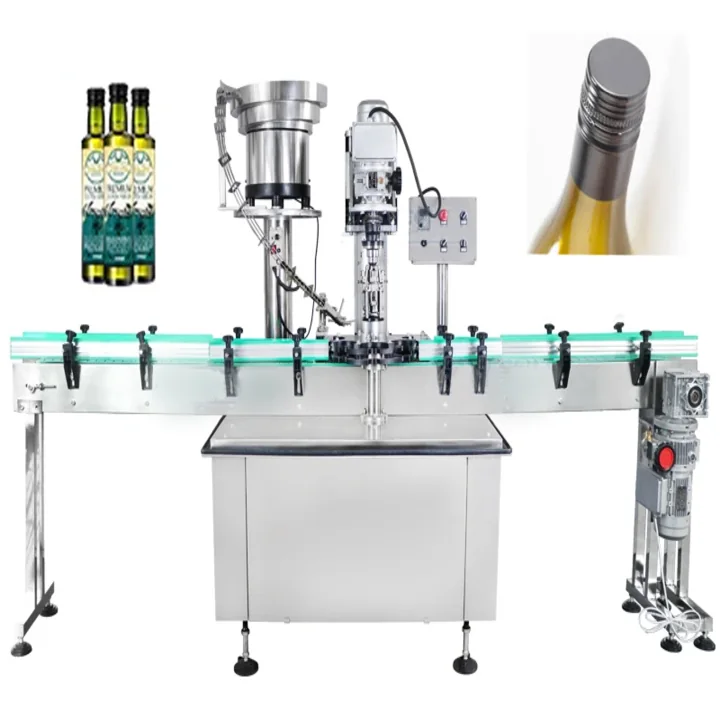
Line upgrades
Retrofit conveyors, accumulation and product-flow improvements for lines that need fewer bottlenecks.
Good for removing bottlenecks, weak transfer points and manual handling.
Explore production line upgrades →Industries
Select your industry to see handling issues that can affect conveyor choice, including hygiene, presentation, pack stability and manual handling.
Food and beverage
Conveyors for food, drink, sauces, condiments, bottles, jars, trays and packing lines.
Designed for food, drink, sauces, condiments, jars, bottles, trays and packing lines.
Explore food & beverage conveyors →Cosmetics and personal care
Handling routes for bottles, pumps, triggers, jars, labels and presentation-led personal-care packaging.
Designed for bottles, jars, pumps, triggers and presentation-sensitive packs.
Explore cosmetics & personal care conveyors →Chemical and household
Conveyors for detergents, cleaning products, chemicals, oils, lubricants, jerrycans and larger containers.
Designed for rigid containers, jerrycans, triggers, closures and heavier packs.
Explore chemical & household product conveyors →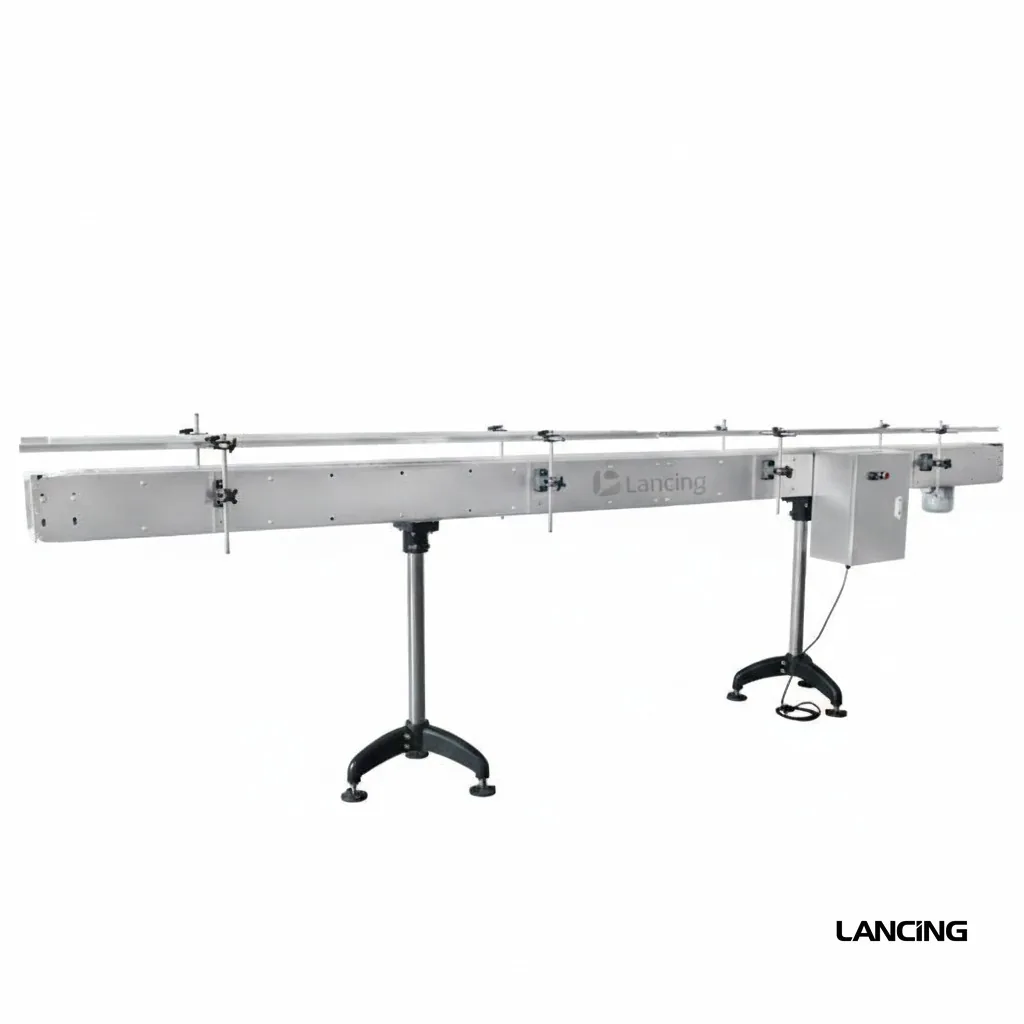
Warehouse and dispatch
Powered roller, belt and transfer conveyors for cartons, totes, picking, packing and dispatch areas.
Designed for cartons, totes, picking, packing and dispatch flow.
Explore warehousing & distribution conveyors →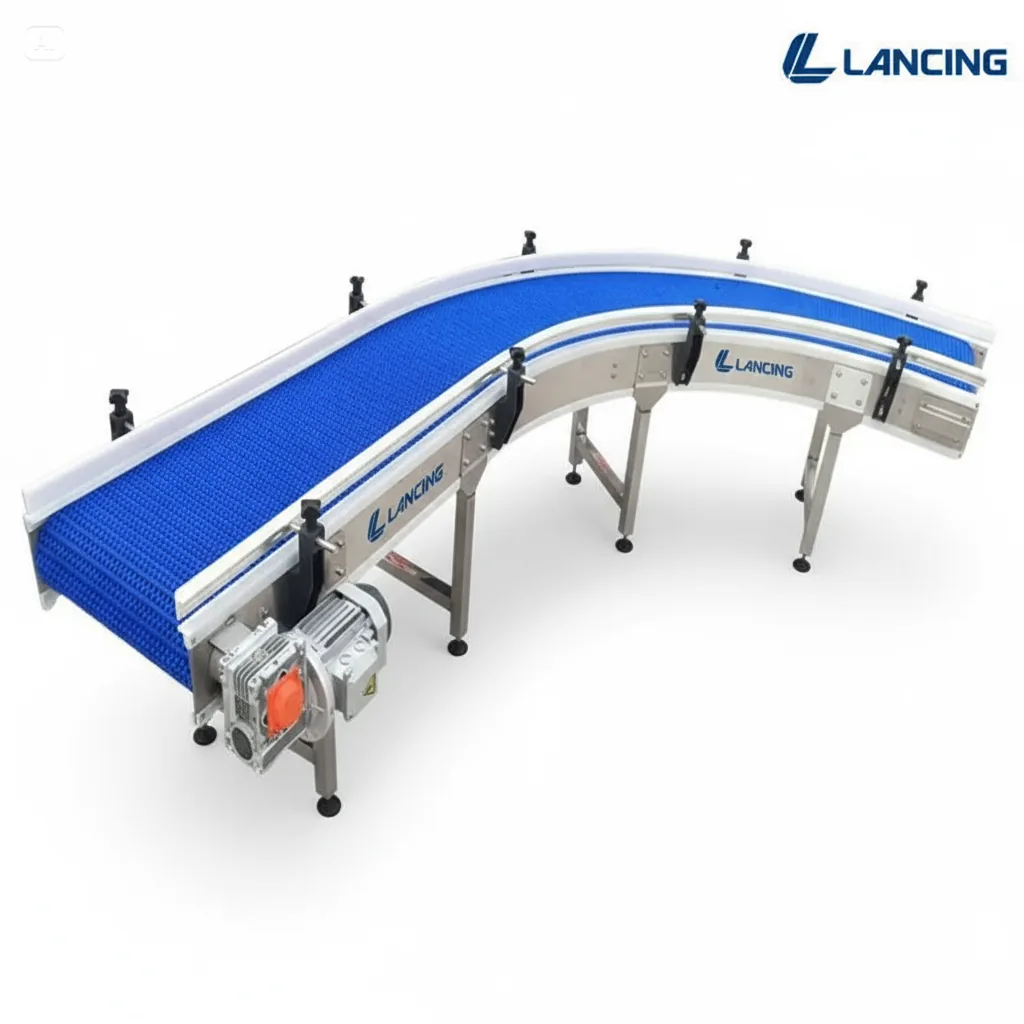
Contract packing
Flexible conveyor layouts for multi-SKU contract packing lines with frequent format changeovers.
Designed for flexible line layouts, frequent changeovers and multiple pack formats.
Explore contract packer conveyors →Quote checklist
Better project details make the shortlist faster and reduce the risk of specifying the wrong conveyor style.
Guides
Buying guide
How to choose the right powered conveyor system by product, load, footprint, speed and line requirement.
Helps compare conveyor types before you request a quotation.
Explore powered conveyor buying guide →Layout checklist
A checklist covering footprint, access, transfers, bends, elevations, guarding, controls and future growth.
Helps check footprint, access, transfers, bends, heights and controls.
Explore conveyor layout checklist →Conveyor comparison
Compare conveyor types by product stability, hygiene, load, speed, curves, transfers and maintenance.
Helps compare belt, roller and slat-chain options against your product.
Explore belt vs roller vs slat conveyors →Accumulation guide
When accumulation helps, how buffers are planned and what to check before adding accumulation to a line.
Helps decide whether buffering will reduce stoppages on your line.
Explore accumulation conveyor guide →Quote checklist
The details to send with an enquiry so the conveyor shortlist is based on real operating conditions.
Helps prepare the details needed for a practical conveyor quote.
Explore conveyor quote checklist →Frequently asked questions
Powered Conveyors UK helps specify and supply conveyor systems for packaging, production, warehouse and handling applications, including belt, slat chain, powered roller, incline, curved, infeed, outfeed and accumulation conveyors.
Start with the product dimensions, weight, stability and route. Then consider speed, accumulation, transfer points, access, cleaning and the machines the conveyor must connect.
Yes. Conveyors are commonly planned around filling, capping, labelling, coding, inspection and end-of-line packing equipment.
Send product details, target speed, line layout, available footprint, photos of the current area and details of upstream or downstream machines.
Start the project
Tell us what you need to move, where it needs to go and what the line must connect to.
Engineering selection
A useful conveyor specification starts with the item being moved and the interfaces at each end. Lancing reviews the product footprint, mass, stability, required spacing, route geometry, cleaning regime, operator access and the controls needed to connect the conveyor to nearby equipment.
| Conveyor format | Strong starting point | Checks that normally decide suitability |
|---|---|---|
| Belt conveyor | Continuous support for packs, components, cartons and unstable bases. | Belt surface, transfer gap, tracking, cleaning, incline grip and side-guide contact. |
| Slat-chain conveyor | Guided movement of bottles, jars and rigid containers. | Container base, curve radius, guide pressure, chain return, changeover and accumulation behaviour. |
| Powered roller conveyor | Cartons, trays, totes and boxes with a firm load-bearing base. | Smallest base length, roller pitch, load distribution, zone control and transfer between modules. |
| Incline conveyor | Moving products between elevations where floor-level transfer is not possible. | Rise, horizontal run, product grip, centre of gravity, cleats, side restraint and safe access. |
| Accumulation conveyor | Creating a controlled buffer between machines with different stop/start patterns. | Required buffer time, allowable product contact pressure, release logic, sensors and available footprint. |
Flow
For an initial line-flow check, conveyor speed is linked to required throughput and the centre-to-centre pitch between products. Real performance must then be confirmed with the actual pack because slip, gaps, guides and transfers affect the result.
speed = throughput × product pitch
Geometry
Measure the available horizontal run and required vertical rise before selecting an incline. At every transfer, check the smallest product base, leading edge, centre of gravity and the support available across the gap.
Drive
Drive selection is based on total resistance rather than product mass alone. Belt or chain resistance, incline lift, starts per hour, acceleration, guide friction and connected equipment all form part of the engineering review.
Send the smallest and largest product, weight range, base dimensions, target good output, route sketch, transfer heights and the make or function of adjacent equipment. Photos of the available area are useful, but dimensioned measurements are still required for manufacture and installation planning.
Where the project is a complete packaging line rather than a conveyor-only requirement, use Packaging Lines UK. For packaging-specific conveyor applications, see Packaging Conveyors UK. Dedicated empty-bottle orientation is covered by Bottle Unscramblers UK.
Conveyor project brief
Share the product, route, output target and operating environment so Lancing can review the appropriate powered conveyor format.