
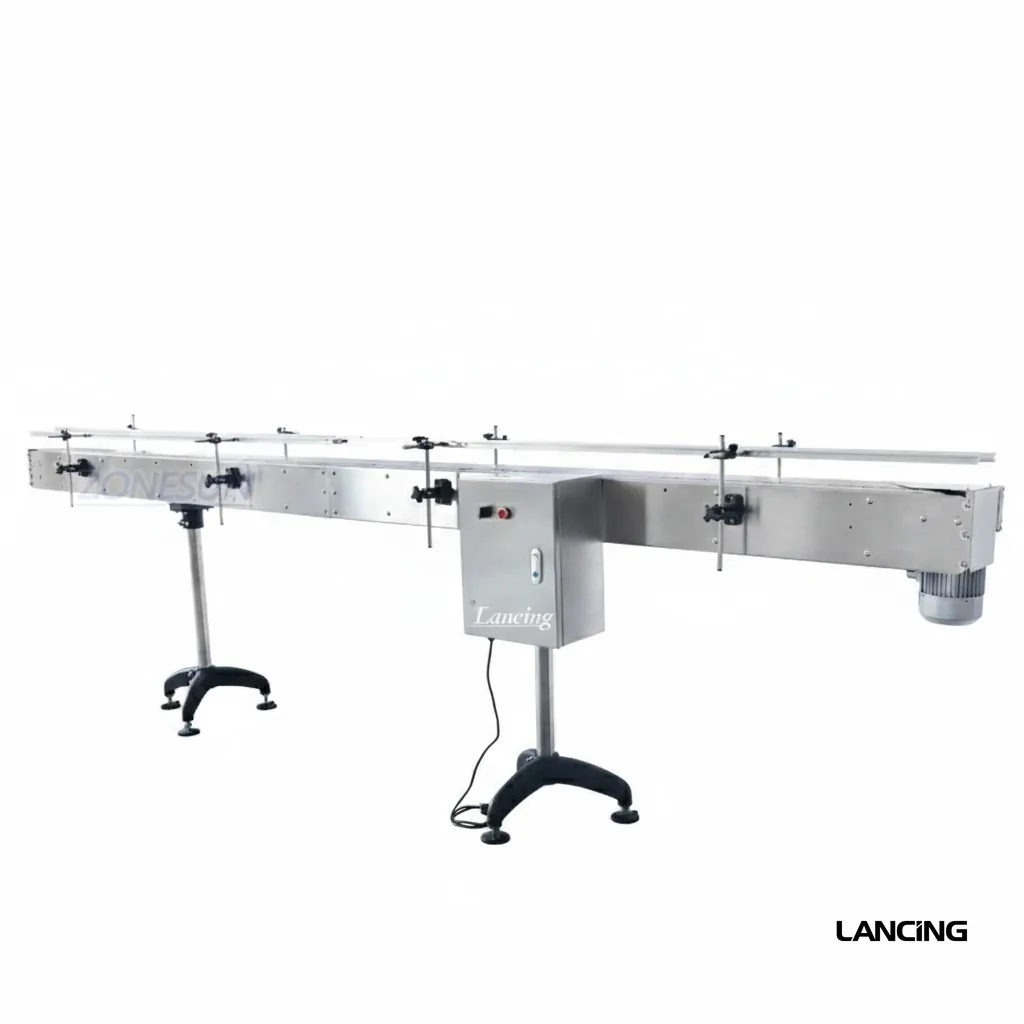
Buying guide
Powered Conveyor Buying Guide
How to choose the right powered conveyor system by product, load, footprint, speed and line requirement.
Conveyor planning guides
Use these guides to compare conveyor types, plan the layout, prepare quote details and avoid common transfer or access issues.
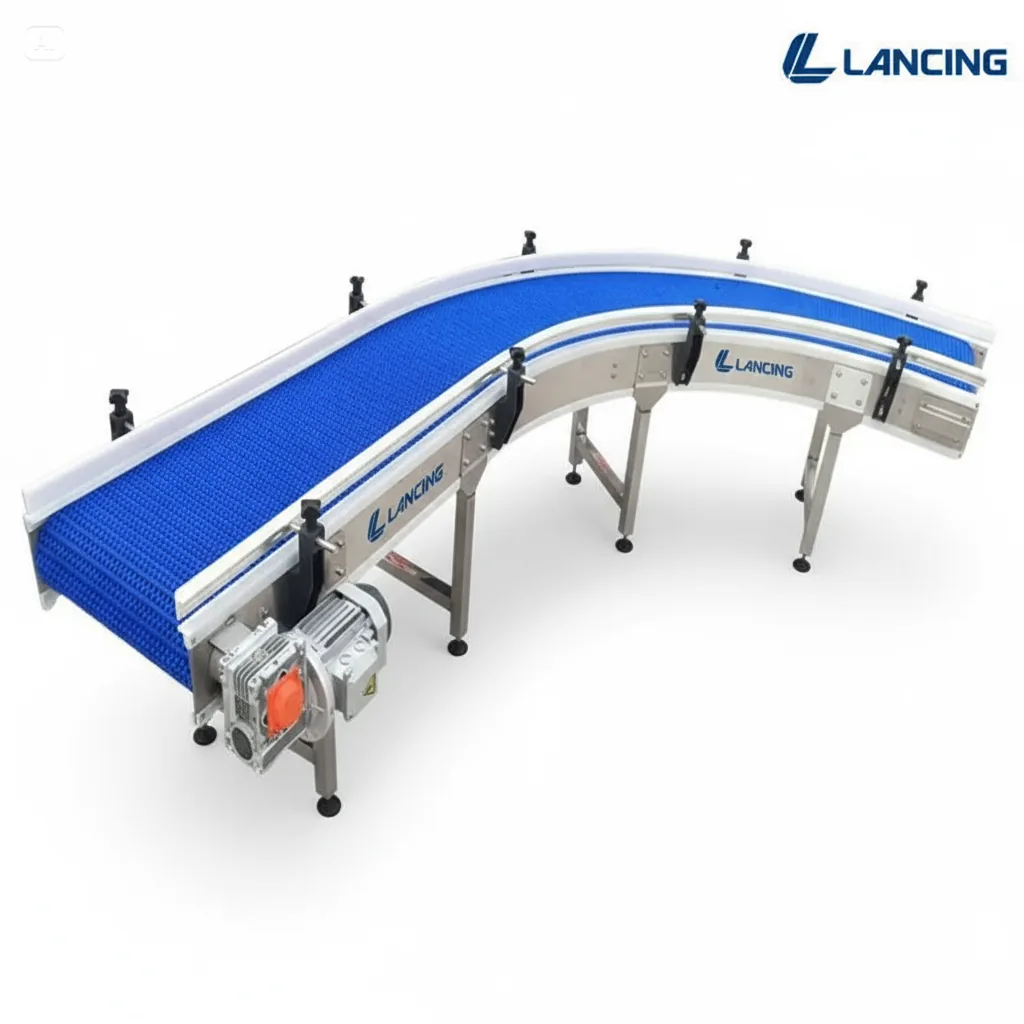
Browse planning guides
Use these guides to compare conveyor types, plan the layout, prepare quote details and avoid common transfer or access issues.
Buying guide
How to choose the right powered conveyor system by product, load, footprint, speed and line requirement.
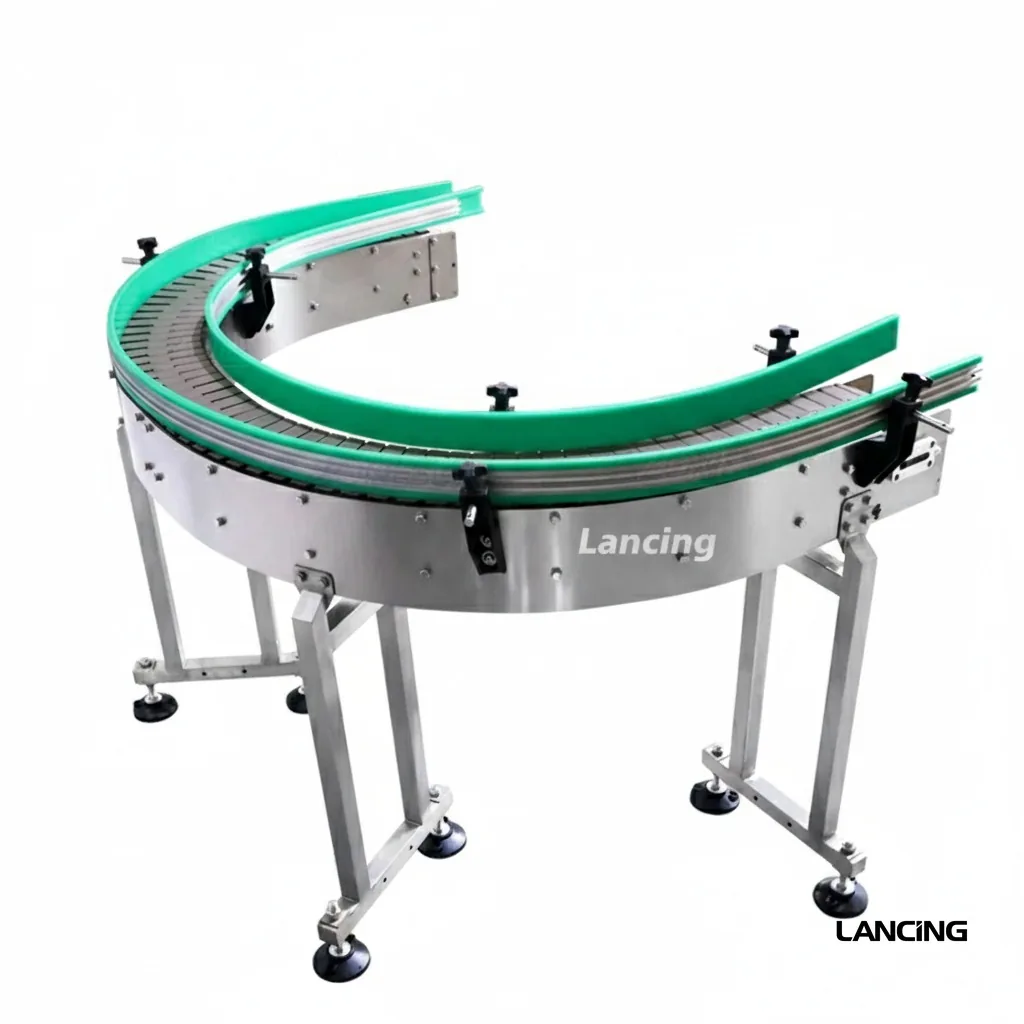
Layout checklist
A checklist covering footprint, access, transfers, bends, elevations, guarding, controls and future growth.
Conveyor comparison
Compare conveyor types by product stability, hygiene, load, speed, curves, transfers and maintenance.
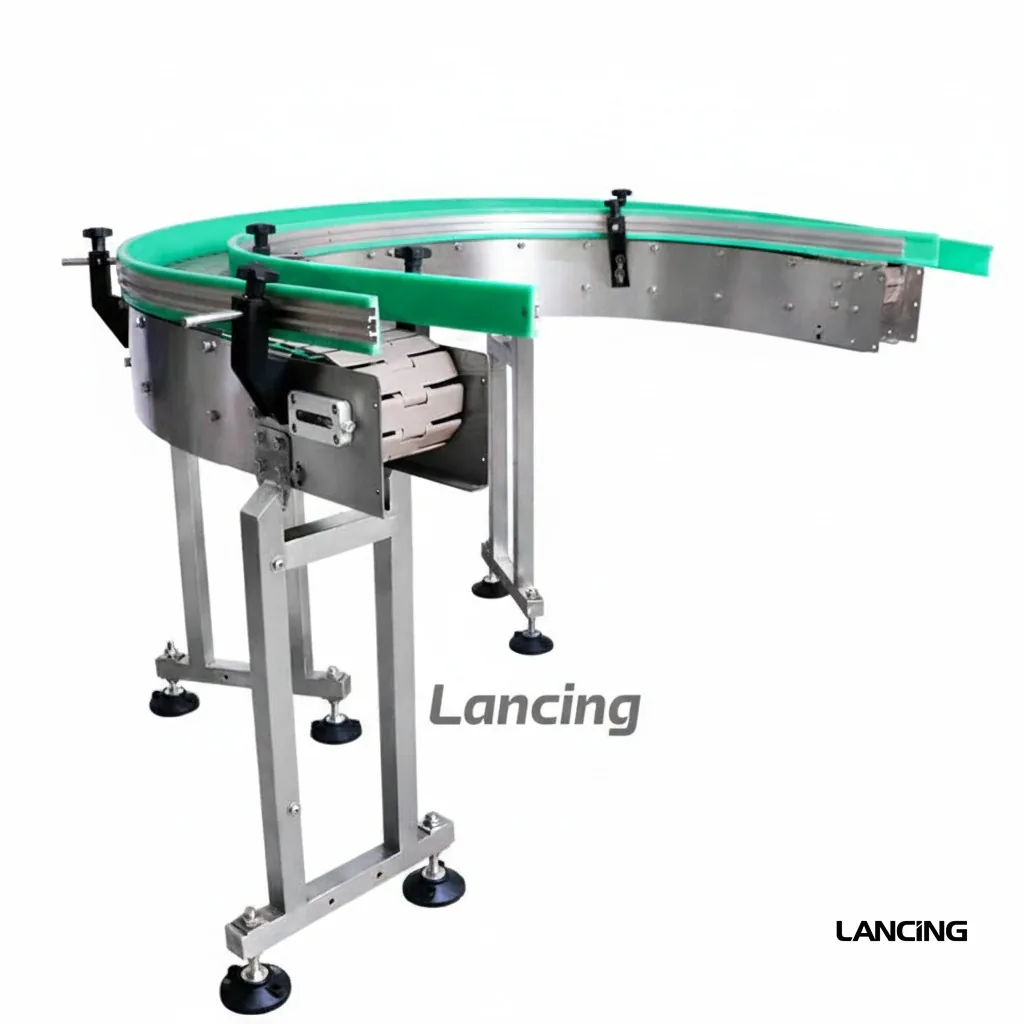
Accumulation guide
When accumulation helps, how buffers are planned and what to check before adding accumulation to a line.
Quote checklist
The details to send with an enquiry so the conveyor shortlist is based on real operating conditions.
FAQs
Start with the product, route or problem you need to solve. The quote checklist then shows which details help us price the conveyor accurately.
Yes. Send product details, available space, speed target and any photos or layout sketches, and we will help narrow the conveyor options.
Different conveyor types solve different handling problems, so it helps to compare the product, route, transfer points, speed and space available.
Engineering library
Start with the buying guide, confirm dimensions and speed, review the layout and transfers, then define controls, safety, cleaning and quotation inputs.
Use transparent equations for product pitch, surface speed, incline geometry, roller pitch, buffer time and drive-force components.
Check plan and elevation layouts, support gaps, guide transitions, sensors, access and component-removal routes.
Record VFD range, machine interlocks, guarding boundaries, isolation and washdown conditions.
The initial enquiry does not need a finished engineering drawing, but it should separate confirmed data from assumptions. Record the load range, route, target flow, operating environment and interfaces. Unknown values can then be measured or tested rather than guessed.
Project review
Lancing can use the product, route and operating information to define the next engineering checks and quotation scope.