
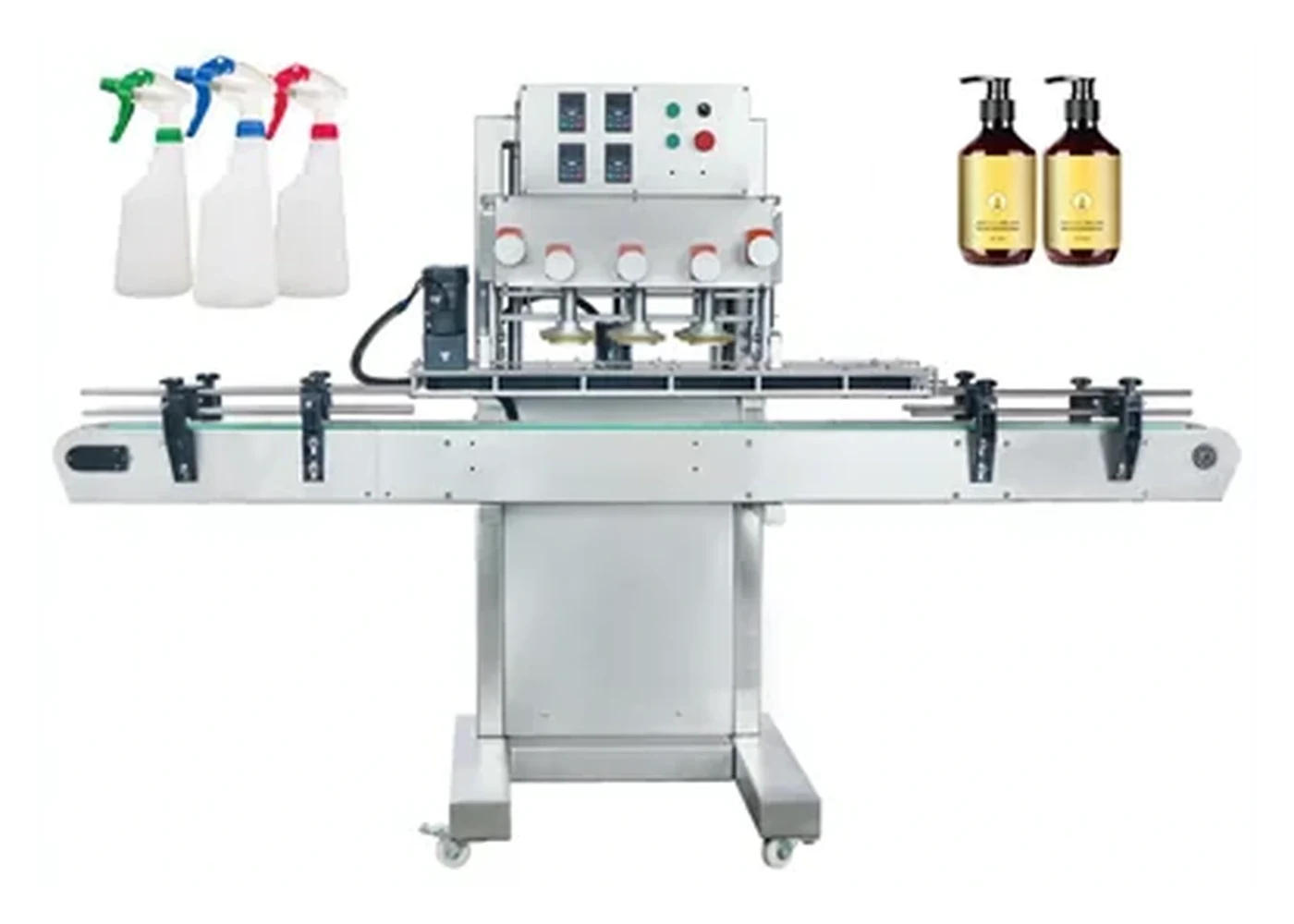
Packaging lines
Packaging Line Conveyors
Conveyor systems for filling, capping, labelling, coding, inspection and packing lines.
Good for linking filling, capping, labelling, coding and packing stages.
Explore packaging line conveyors →Bends, U-shape conveyors and compact routes
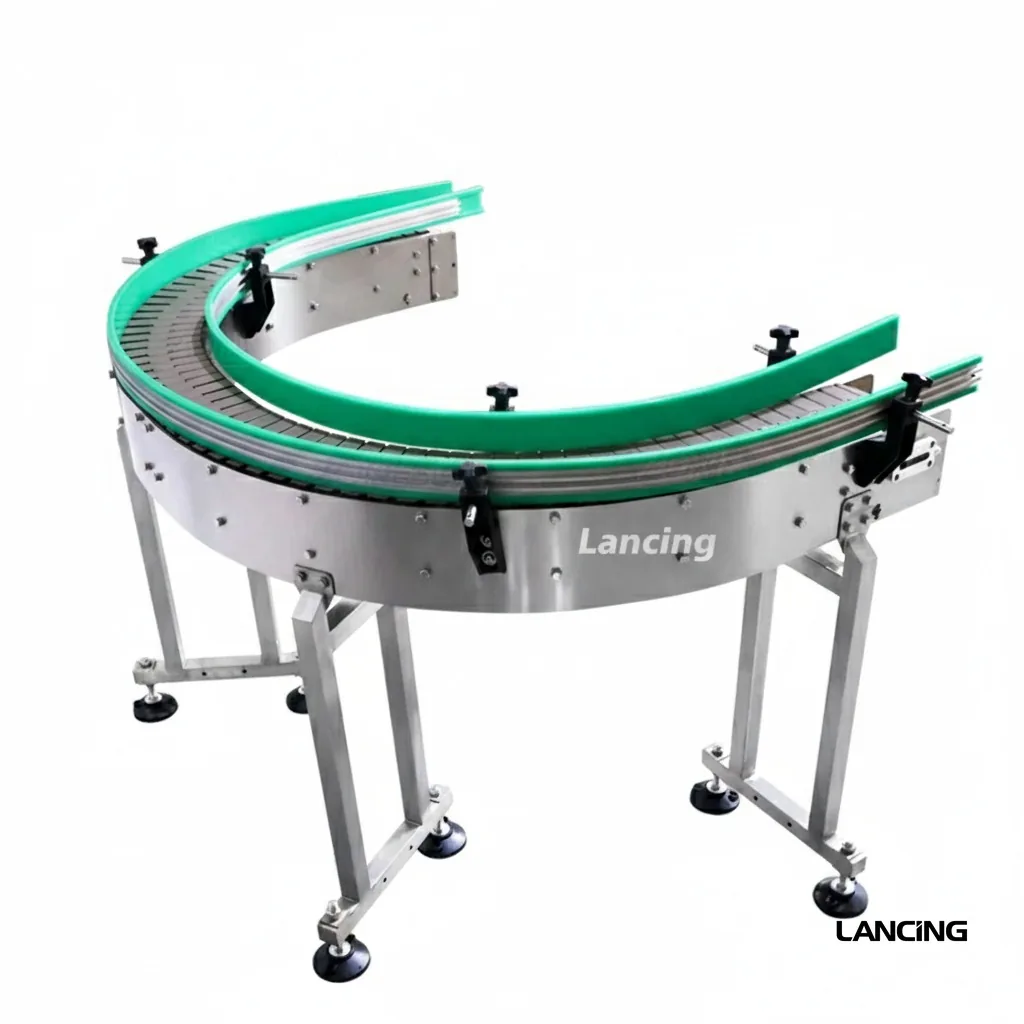
Curved conveyors allow a line to change direction without creating awkward manual handling or unstable transfer points. They are valuable where the production footprint is tight or where operator access must be preserved.
Specification notes
Curved conveyor sections must keep the product stable through the bend. Radius, product height, speed, guide-rail contact and transfer quality all affect whether the route will run consistently.
Bottle and container lines often use curved slat chain sections because they can maintain a guided path through compact layouts. Box and tote lines may suit powered roller bends where the load base and roller pitch are compatible.
The right curve is specified around product footprint, line speed, bend angle, available space, neighbouring machines and the need for operators to load, inspect or clear the line.
Best used for
Available routes
Frequently asked questions
Yes, but the conveyor type and bend radius must suit the product. Bottles, cartons and trays each need different stability checks.
Yes. Curved slat or tabletop chain conveyors are commonly used for bottle and container routes, subject to guide and transfer design.
Common issues include product tipping, over-guiding, excessive speed, poor transfer plates and bends that are too tight for the pack.
Need a shortlist?
We will help narrow the conveyor type, layout considerations and the details needed for a practical quotation.
Related conveyor options
Packaging lines
Conveyor systems for filling, capping, labelling, coding, inspection and packing lines.
Good for linking filling, capping, labelling, coding and packing stages.
Explore packaging line conveyors →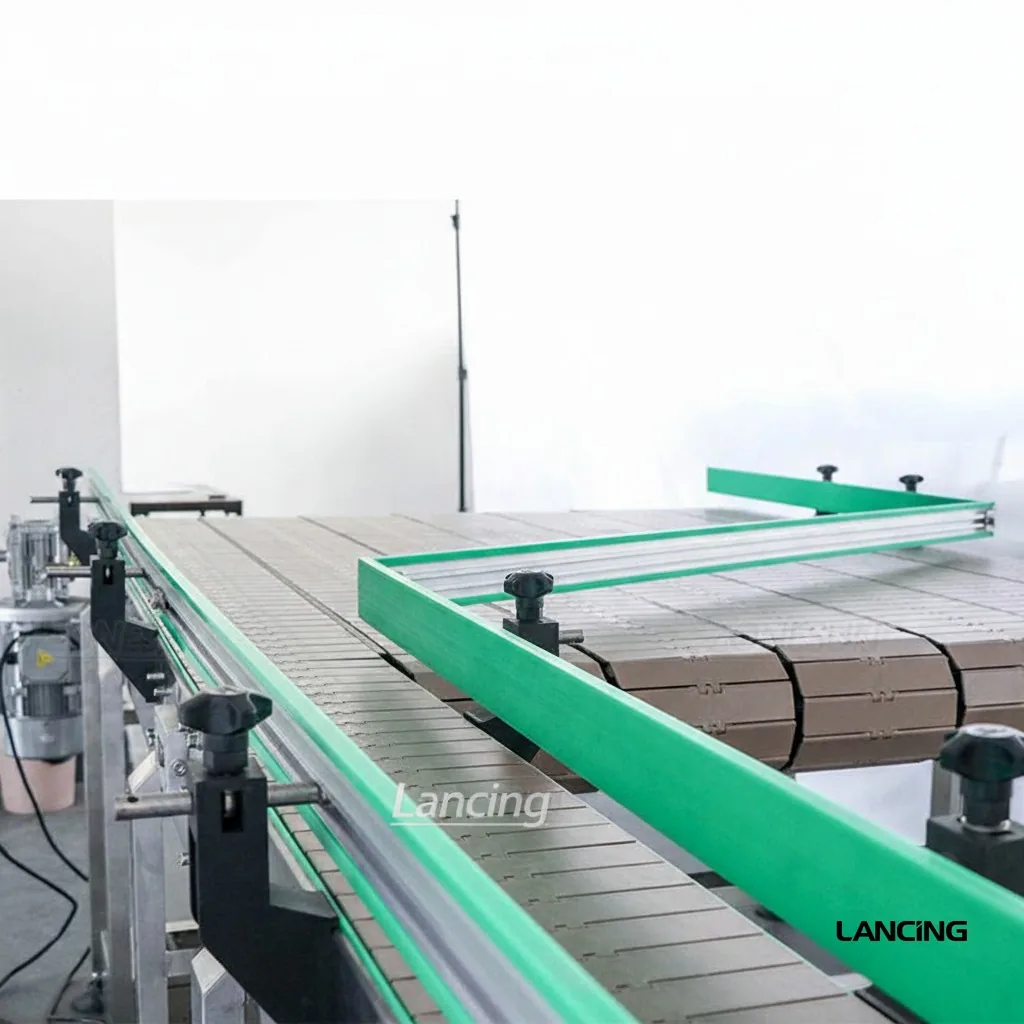
Bottle and jar handling
Slat, infeed, curved and accumulation conveyors for plastic bottles, glass bottles, jars and containers.
Good for stable movement of plastic bottles, glass bottles, jars and containers.
Explore bottle handling conveyors →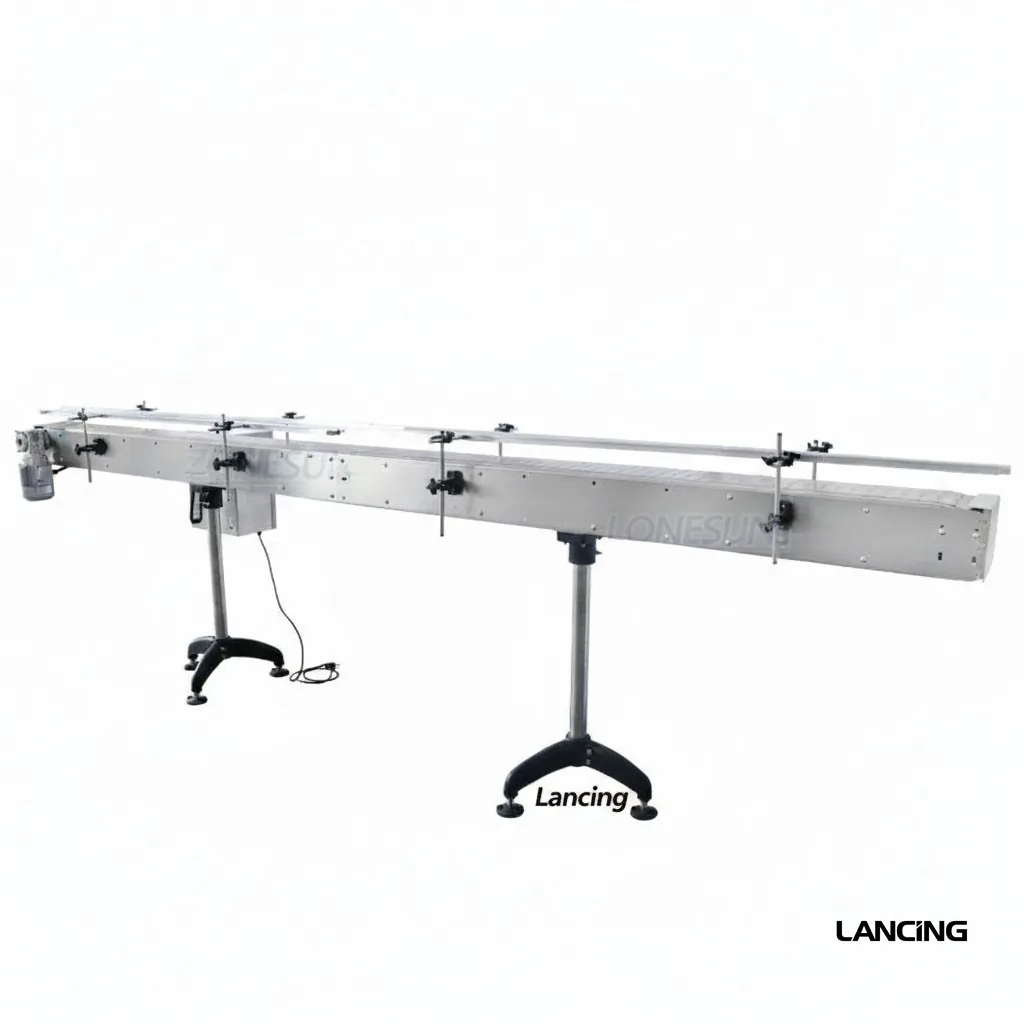
Cartons, trays and boxes
Powered conveyors for flat-bottomed cartons, trays, totes and box handling in production and packing areas.
Good for cartons, trays, totes and boxes in packing and dispatch areas.
Explore carton, tray & box conveyors →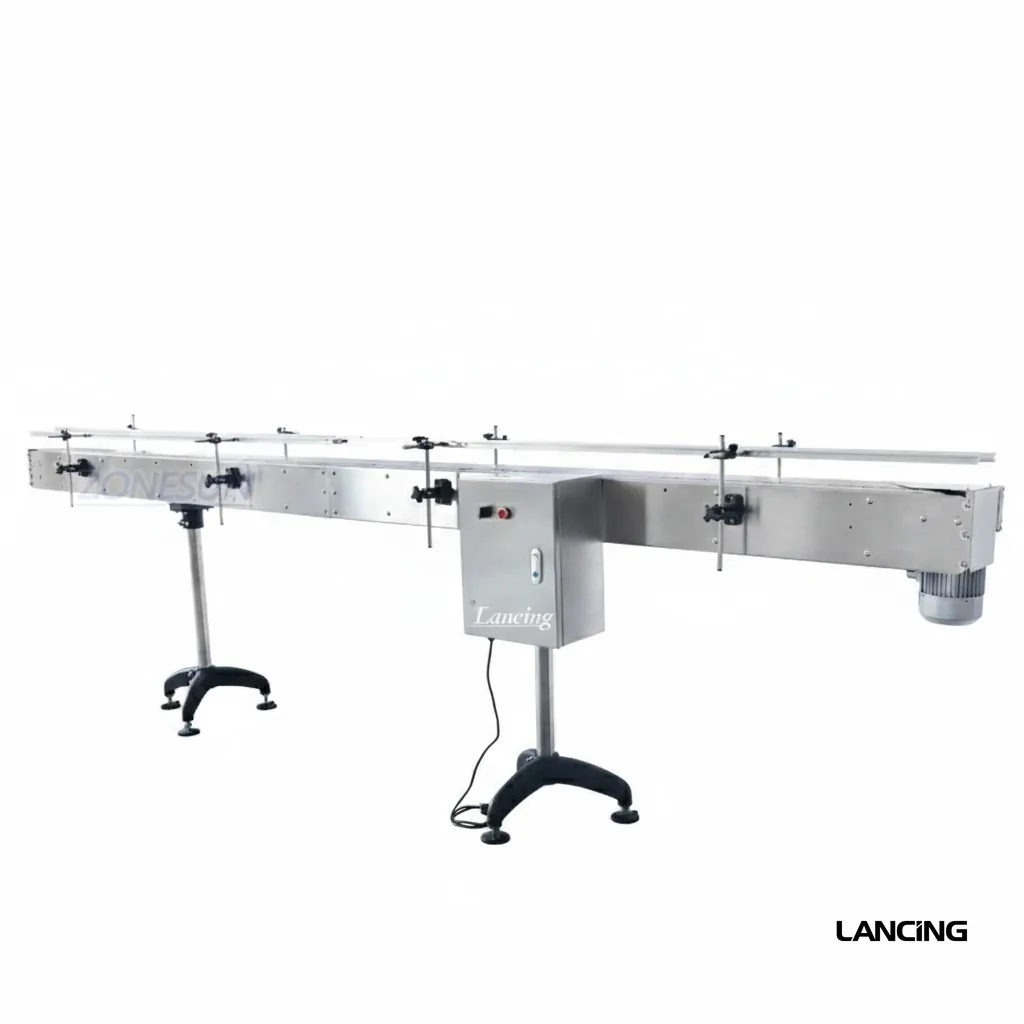
Buying guide
How to choose the right powered conveyor system by product, load, footprint, speed and line requirement.
Helps compare conveyor types before you request a quotation.
Explore powered conveyor buying guide →Layout checklist
A checklist covering footprint, access, transfers, bends, elevations, guarding, controls and future growth.
Helps check footprint, access, transfers, bends, heights and controls.
Explore conveyor layout checklist →