
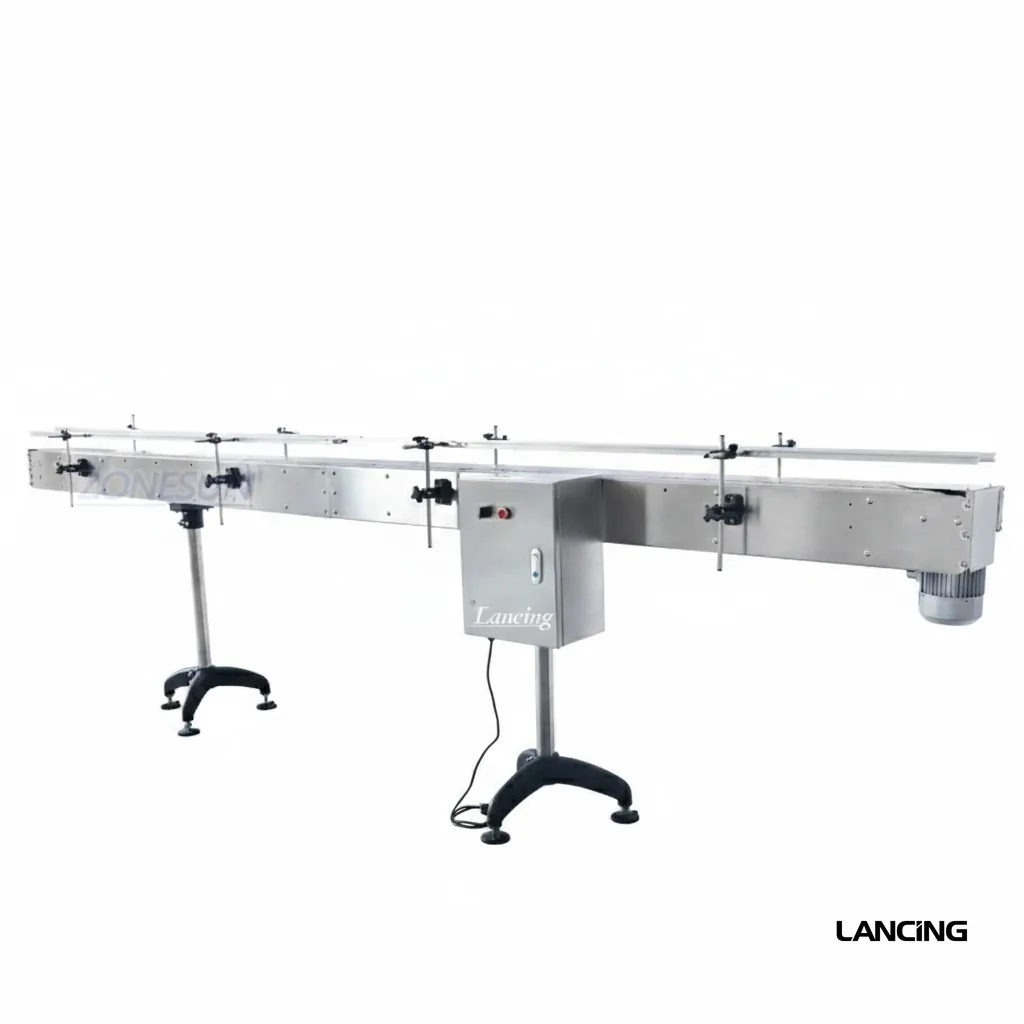
Conveyor type
Belt Conveyor Systems
Flat belt, food-grade, cleated and modular belt conveyors for product transfer, packing and line linking.
Good for cartons, packs and components that need full-base support.
Explore belt conveyor systems →Checklist for a stronger conveyor brief
A conveyor layout checklist helps you avoid common issues around access, transfer points, machine heights, product flow and future changeovers.
Layout checklist
Start with the route: where the product enters, where it leaves, what height it starts at, what height it finishes at and whether it must turn, incline, queue, stop or merge.
Then check the people around the line. Operators need safe access to load, inspect, clean, clear faults and pack. A conveyor that blocks access can create daily production frustration.
Finally check integration: machine speeds, control signals, sensors, transfer points, utilities, guarding and space for maintenance. These details decide whether the conveyor works as part of the line.
Best used for
Available routes
Layout checklist
Send a sketch or drawing showing route, machine positions, heights, access points and any space restrictions.
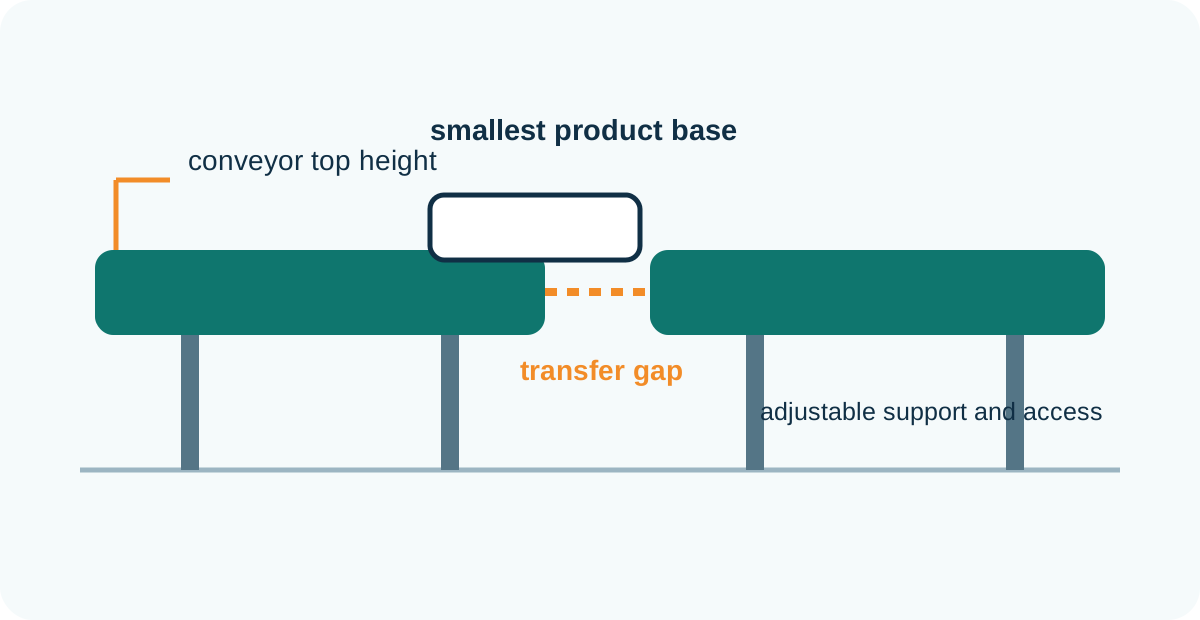
Transfer points are common sources of jams, tipping and product damage. They should be designed around the actual pack.
Yes. If new sizes or products are likely, include them so guide range and conveyor width can be planned.
Need a shortlist?
We will help narrow the conveyor type, layout considerations and the details needed for a practical quotation.
Related conveyor options
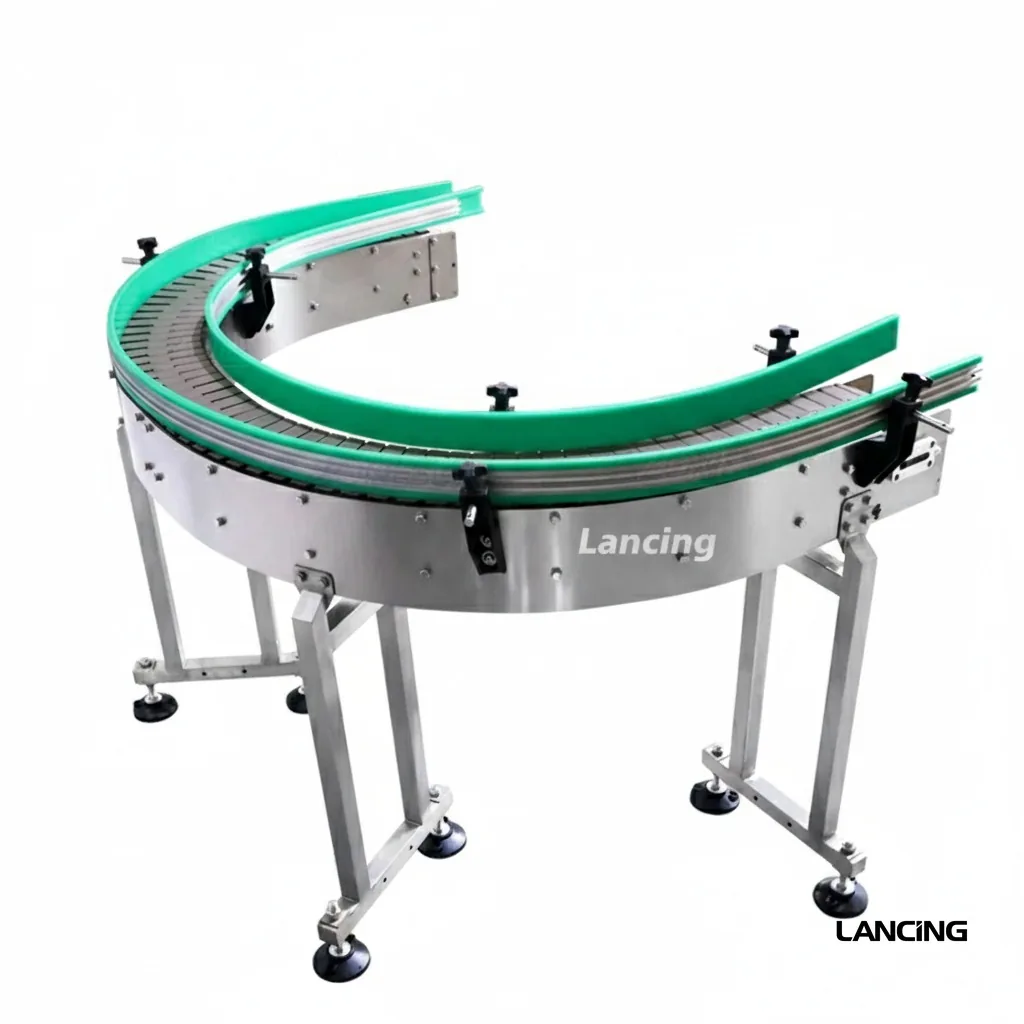
Conveyor type
Flat belt, food-grade, cleated and modular belt conveyors for product transfer, packing and line linking.
Good for cartons, packs and components that need full-base support.
Explore belt conveyor systems →Conveyor type
Plastic slat, tabletop chain and stainless-frame conveyors for bottles, jars and container handling.
Good for bottles, jars and containers that need stable guided movement.
Explore slat chain conveyors →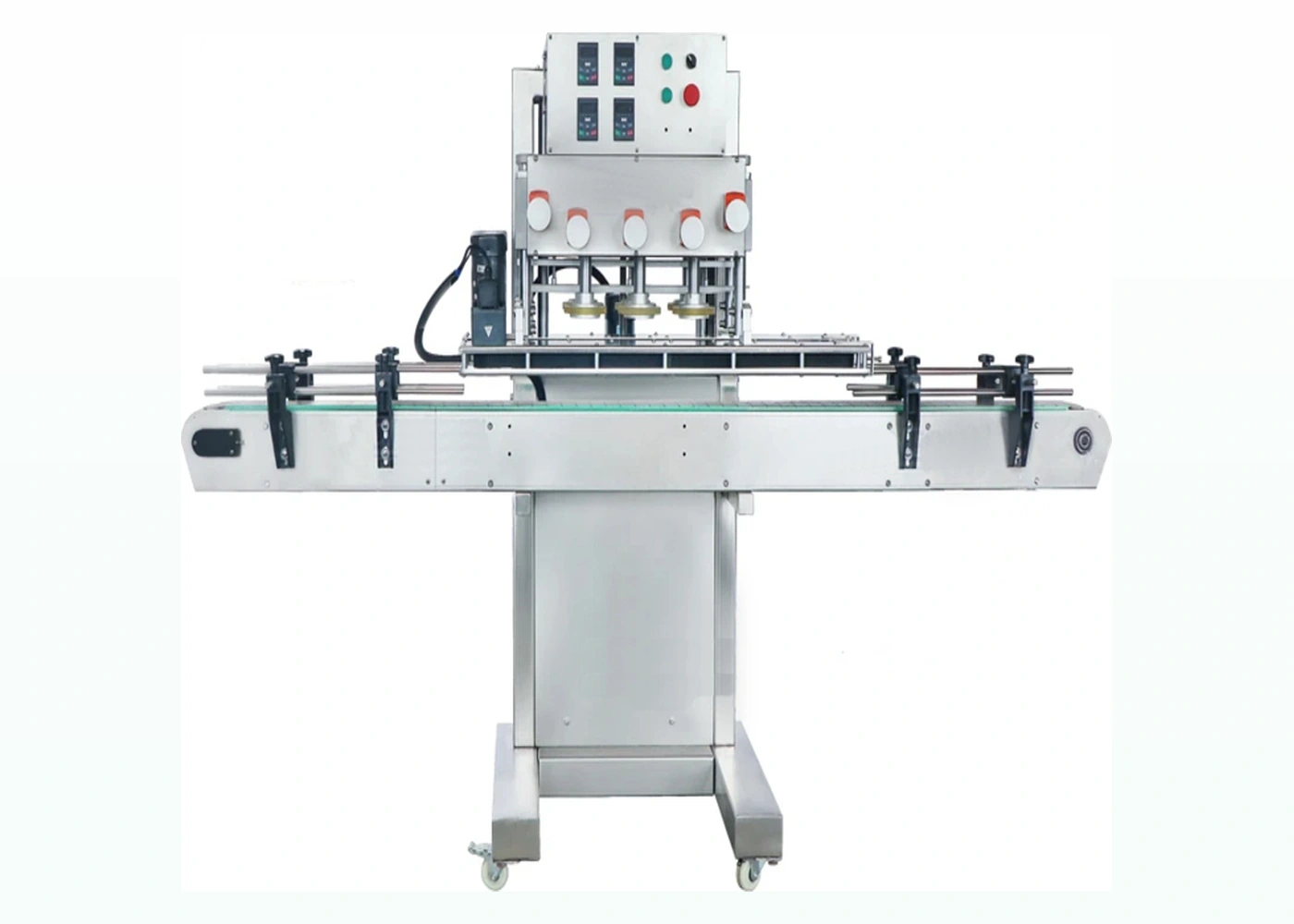
Conveyor type
Motorised roller conveyor sections for cartons, trays, totes, boxes and controlled product movement.
Good for cartons, trays, totes and boxes with a firm base.
Explore powered roller conveyors →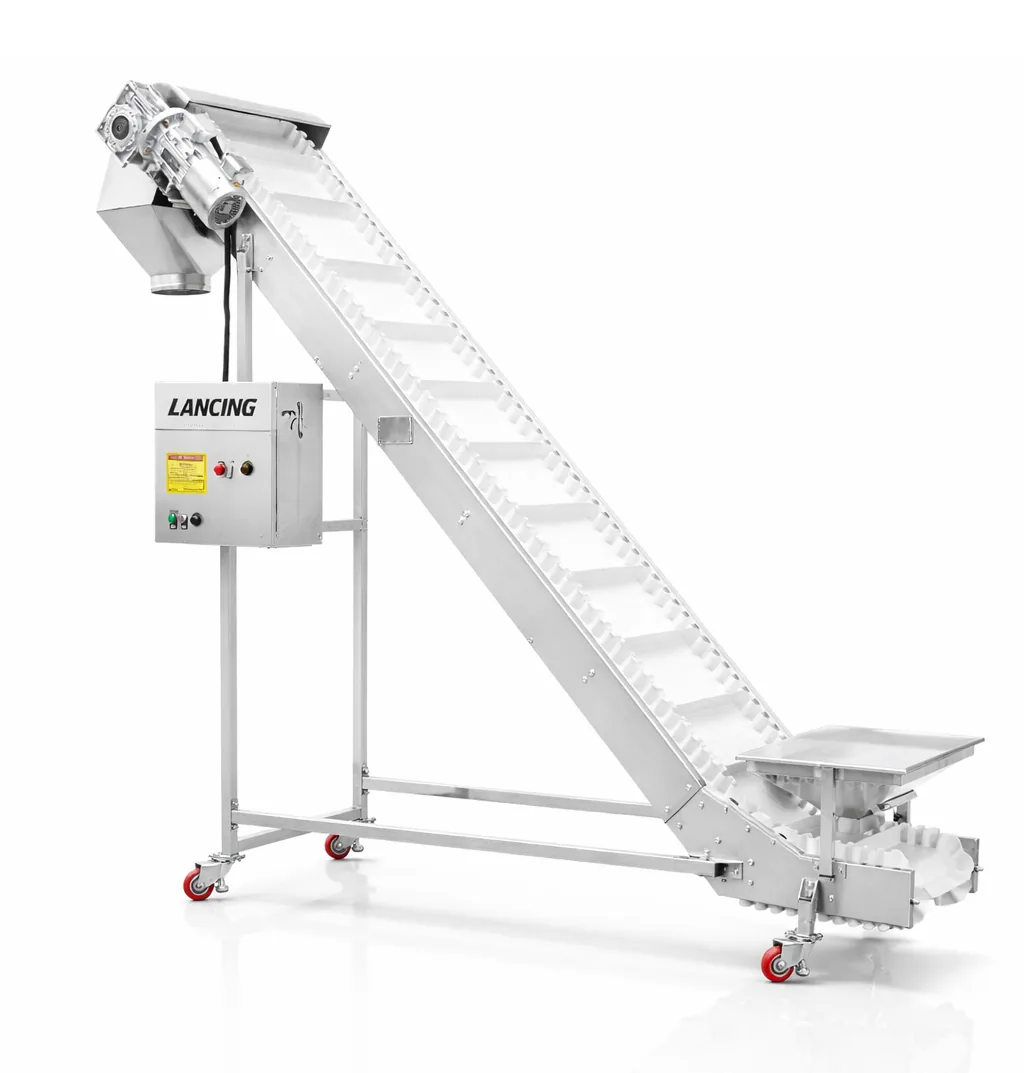
Conveyor type
Incline and elevator conveyors for moving packs between heights without disrupting line flow.
Good for moving products between heights while keeping the line flowing.
Explore incline conveyors →Layout acceptance
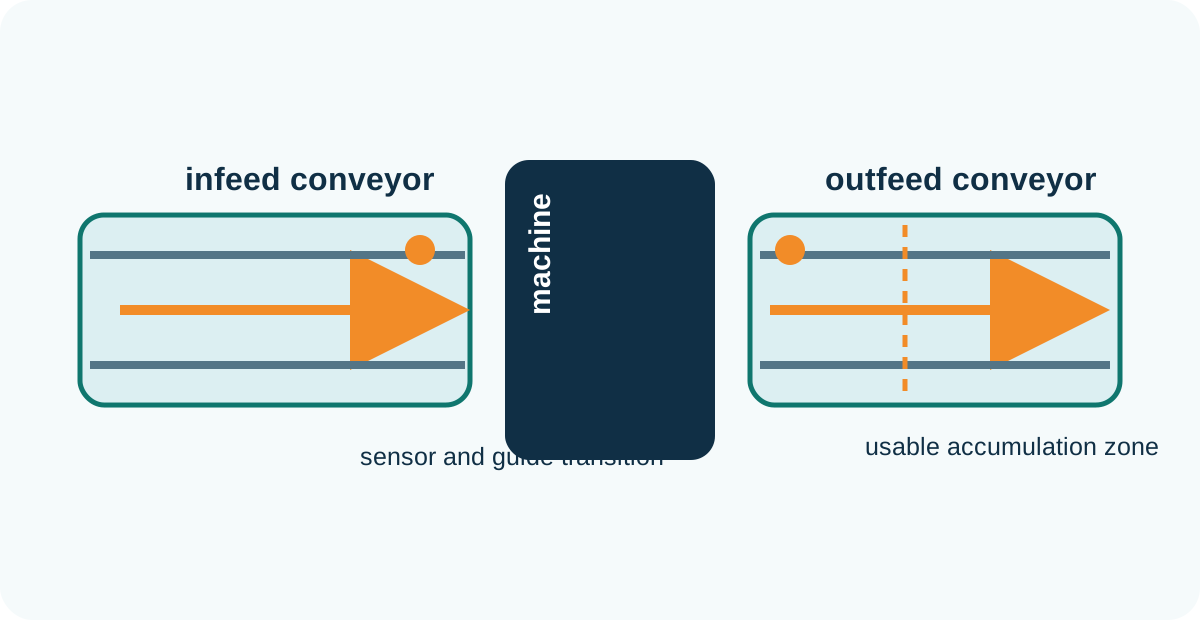
A plan view alone is not enough. The layout should include conveyor top heights, product direction, transfer support, drive and tensioning positions, guarding, operator routes, maintenance clearances and the path required to remove the largest service component.
| Layout review point | Acceptance evidence | Typical failure if missed |
|---|---|---|
| Smallest product transfer | Dimensioned gap and representative sample trial. | Snagging, tipping or product loss. |
| Maintenance envelope | Access drawing and component-removal route. | Guard or machine removal for routine service. |
| Operator access | Task review for loading, inspection and changeover. | Reaching over moving equipment or blocked walkways. |
| Controls boundary | Signal list and stop/fault sequence. | Uncontrolled queues or inconsistent restart. |
| Cleaning route | Cleaning method and drainage/access review. | Residue traps or unsafe cleaning around moving parts. |
Use the detailed transfer and layout guide for drawing examples and the controls and safety guide for interface boundaries.
Layout review
Include product direction, transfer heights, access constraints and nearby equipment so the layout can be checked in plan and elevation.