
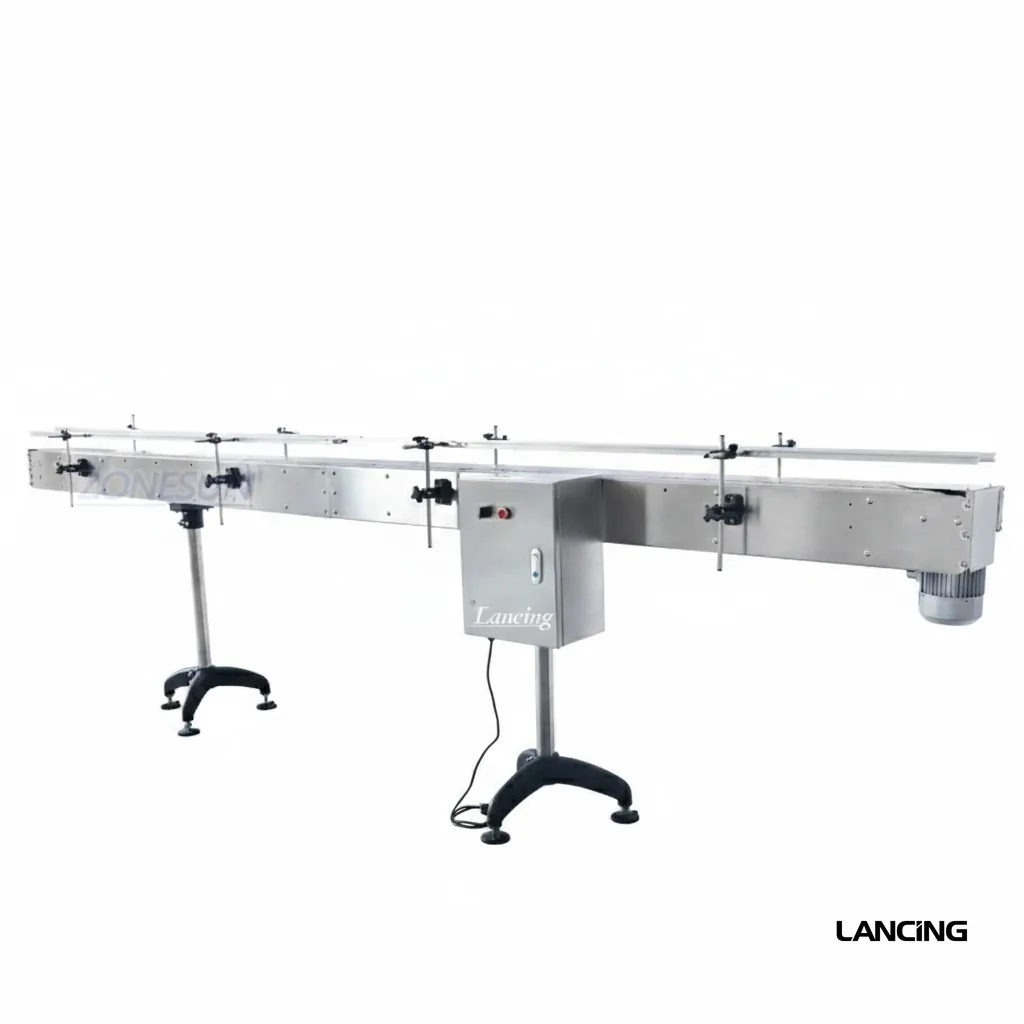
Conveyor type
Belt Conveyor Systems
Flat belt, food-grade, cleated and modular belt conveyors for product transfer, packing and line linking.
Good for cartons, packs and components that need full-base support.
Explore belt conveyor systems →Choose by product, route and line objective
Choosing a powered conveyor is easier when the decision starts with the product and the production problem rather than a generic conveyor type.
Buying guide
First define the product: dimensions, weight, base condition, stability, fragility and whether it is empty or filled. A tall bottle, loose product, rigid carton and small pouch all need different support and guide decisions.
Next define the route: straight transport, incline, bend, accumulation, packing outfeed or machine-to-machine transfer. Each route creates different questions around belt surface, roller pitch, chain width, guide design and controls.
Finally define the operating need: speed, changeovers, cleaning, access, integration and future growth. The cheapest conveyor on paper can become expensive if it creates jams, manual handling or downtime.
Best used for
Available routes
Buying guide
Start with the product and the route. Product stability and route function usually decide the conveyor type.
Belt conveyors provide continuous support, roller conveyors suit many cartons and totes, and slat chain conveyors are often used for bottles and containers.
Provide dimensions, weight, speed, route, environment, photos, layout and details of neighbouring machines.
Need a shortlist?
We will help narrow the conveyor type, layout considerations and the details needed for a practical quotation.
Related conveyor options
Conveyor type
Flat belt, food-grade, cleated and modular belt conveyors for product transfer, packing and line linking.
Good for cartons, packs and components that need full-base support.
Explore belt conveyor systems →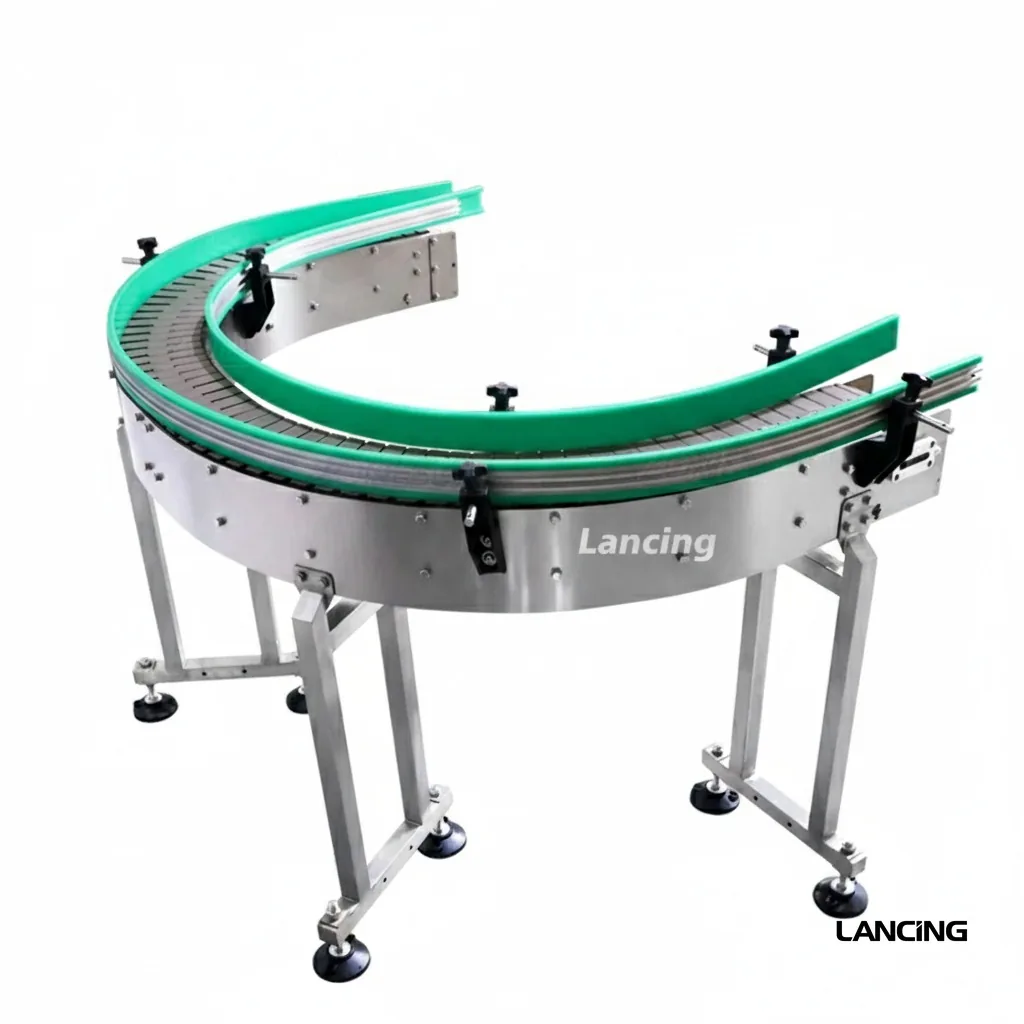
Conveyor type
Plastic slat, tabletop chain and stainless-frame conveyors for bottles, jars and container handling.
Good for bottles, jars and containers that need stable guided movement.
Explore slat chain conveyors →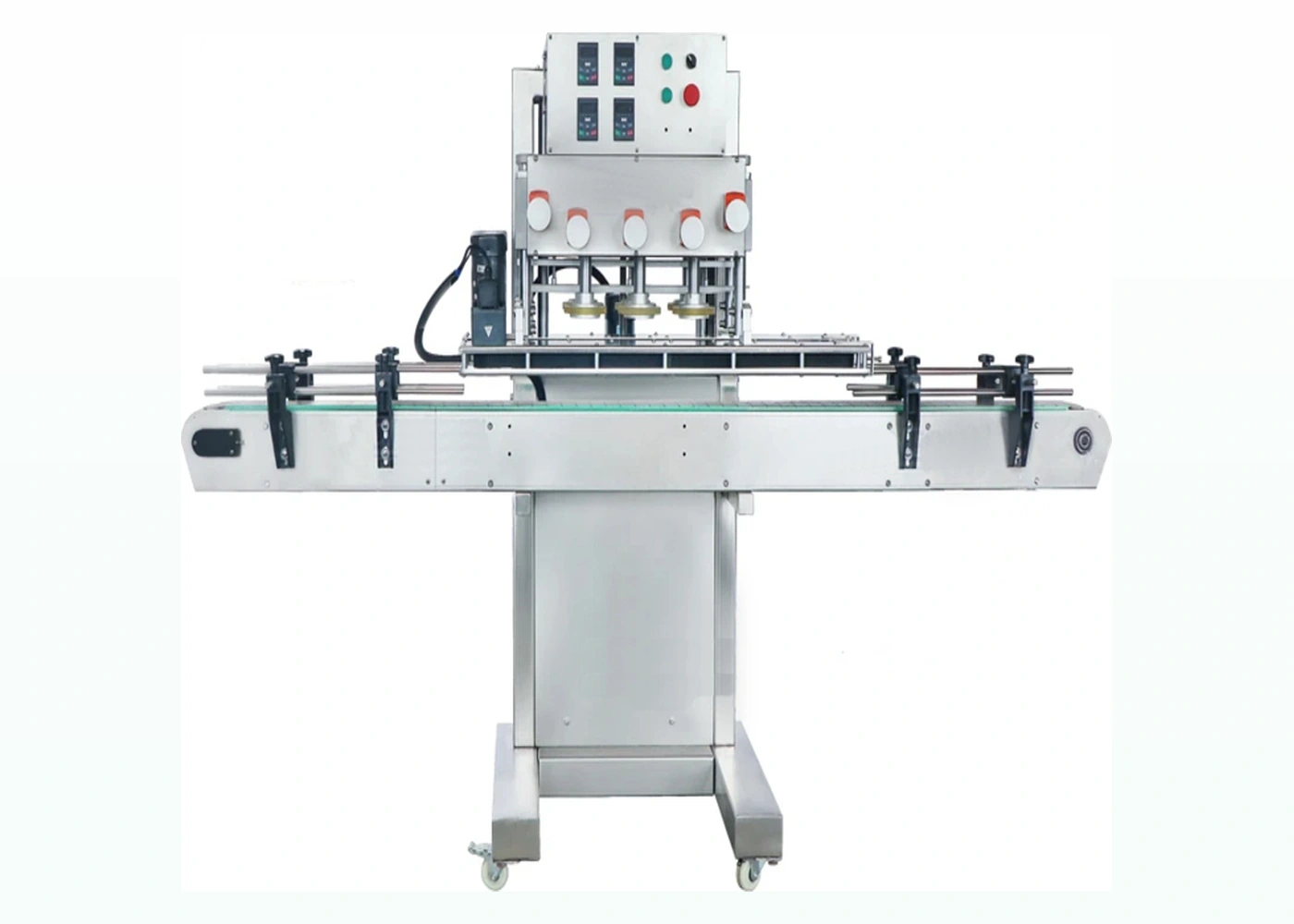
Conveyor type
Motorised roller conveyor sections for cartons, trays, totes, boxes and controlled product movement.
Good for cartons, trays, totes and boxes with a firm base.
Explore powered roller conveyors →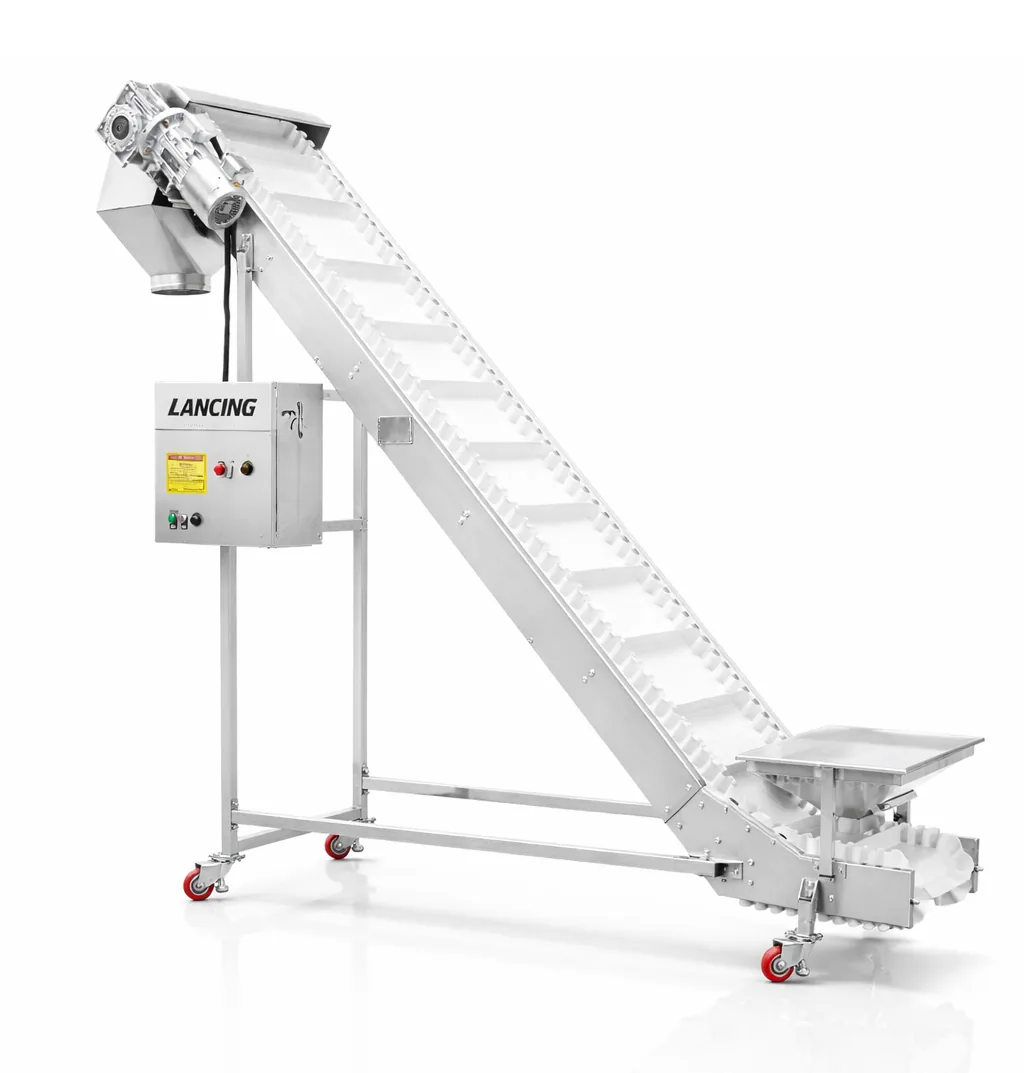
Conveyor type
Incline and elevator conveyors for moving packs between heights without disrupting line flow.
Good for moving products between heights while keeping the line flowing.
Explore incline conveyors →Decision workflow
The purpose of a buying guide is not to pick a conveyor from a headline description. It is to expose the engineering assumptions that must be measured, trialled or agreed before a quotation can be compared properly.
| Question | Belt | Powered roller | Slat chain |
|---|---|---|---|
| Does the product need full-base support? | Strong starting point. | Only if the base bridges the rollers. | Suitable for supported rigid containers. |
| Is a compact curve required? | Depends on belt construction and layout. | Requires a dedicated curved roller module. | Often a practical bottle-handling route. |
| Is low-pressure zoned accumulation required? | Possible with suitable controls. | Strong starting point for firm-based loads. | Requires careful pressure and guide review. |
| Is frequent wet cleaning required? | Material and frame design must be matched. | Roller and electrical design require review. | Chain, wear strips, drainage and access require review. |
Continue with the engineering calculations, transfer layout details and controls, safety and washdown guide.
Buying brief
Send the load range, route, output, environment and interfaces so each proposed conveyor can be assessed on the same basis.