
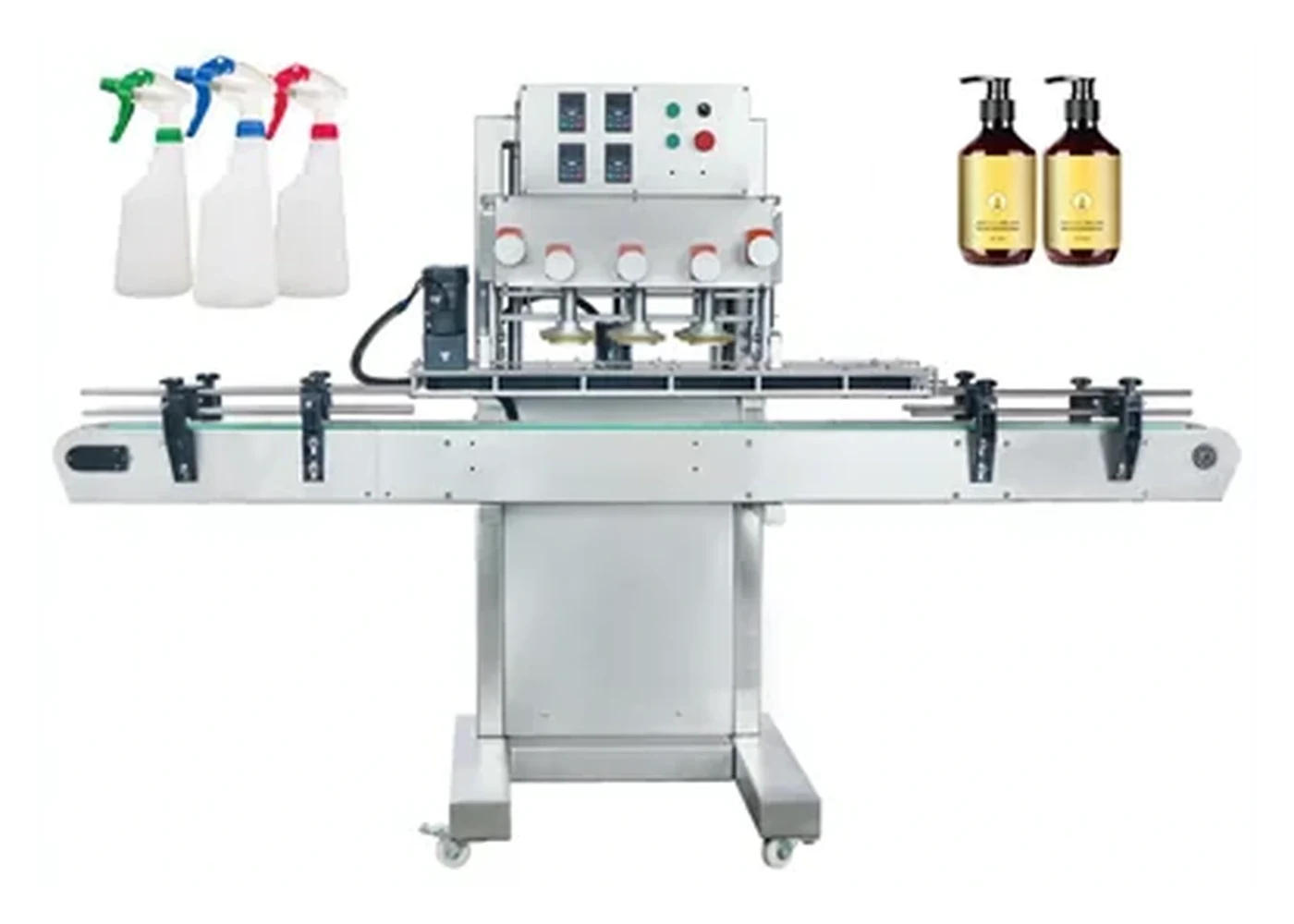
Packaging lines
Packaging Line Conveyors
Conveyor systems for filling, capping, labelling, coding, inspection and packing lines.
Production solutions
Choose by production problem when you know what the conveyor needs to achieve. These options cover line linking, bottle handling, carton transfer, integration and upgrades.
Browse conveyor solutions
Choose by production problem when you know what the conveyor needs to achieve. These options cover line linking, bottle handling, carton transfer, integration and upgrades.
Packaging lines
Conveyor systems for filling, capping, labelling, coding, inspection and packing lines.
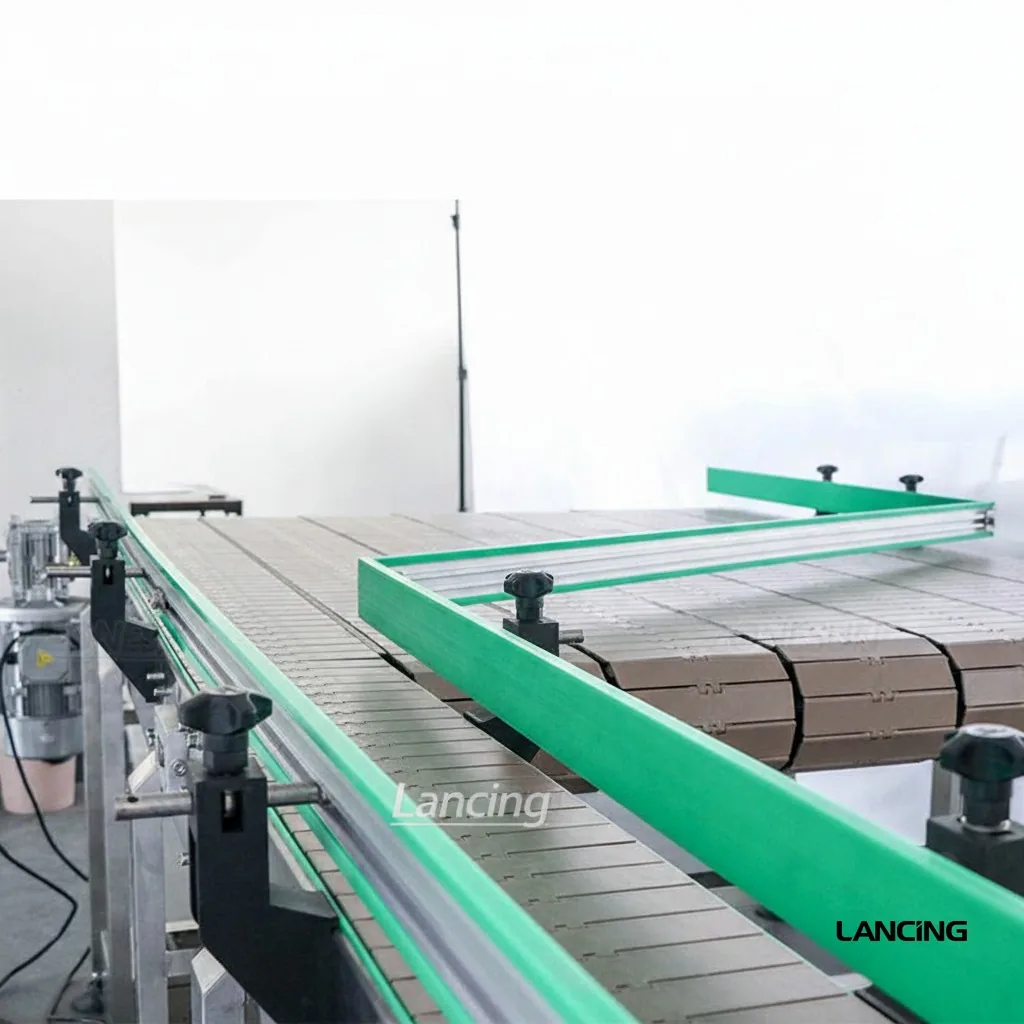
Bottle and jar handling
Slat, infeed, curved and accumulation conveyors for plastic bottles, glass bottles, jars and containers.
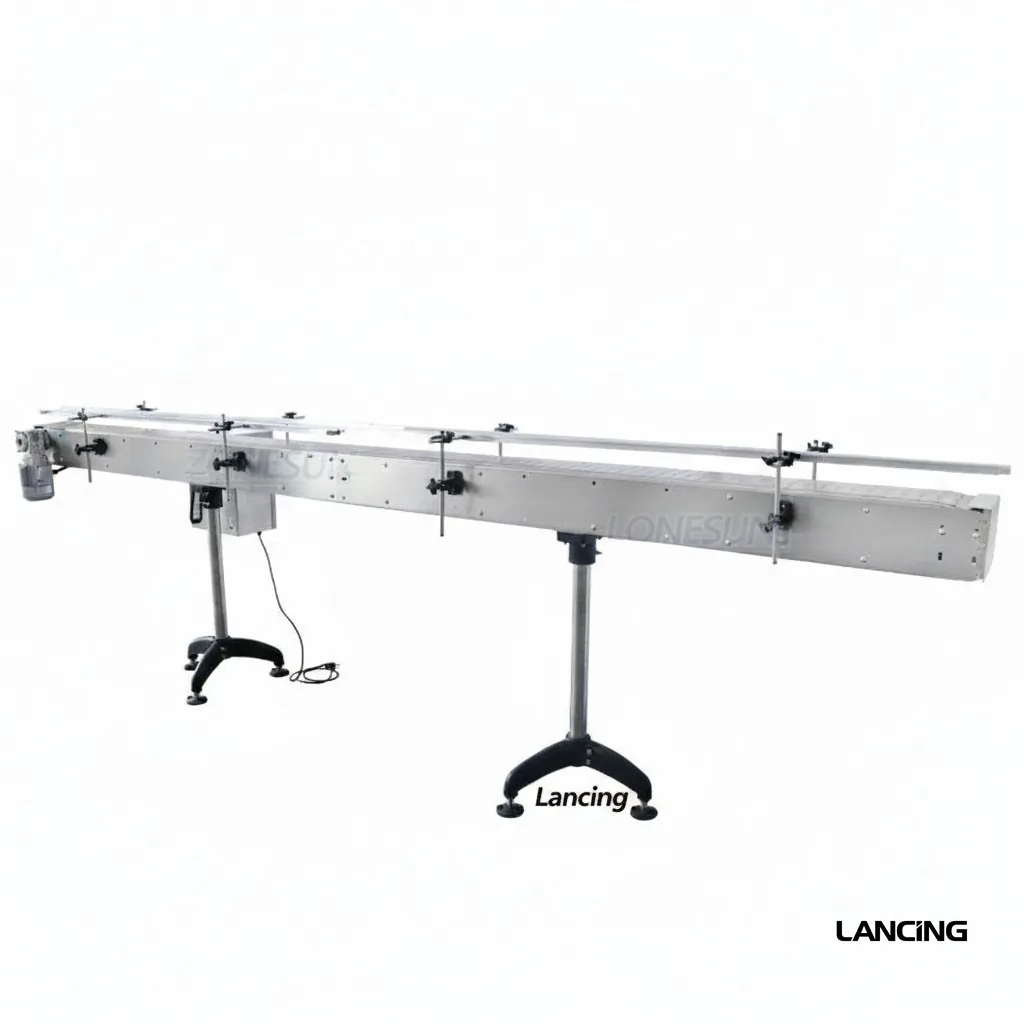
Cartons, trays and boxes
Powered conveyors for flat-bottomed cartons, trays, totes and box handling in production and packing areas.
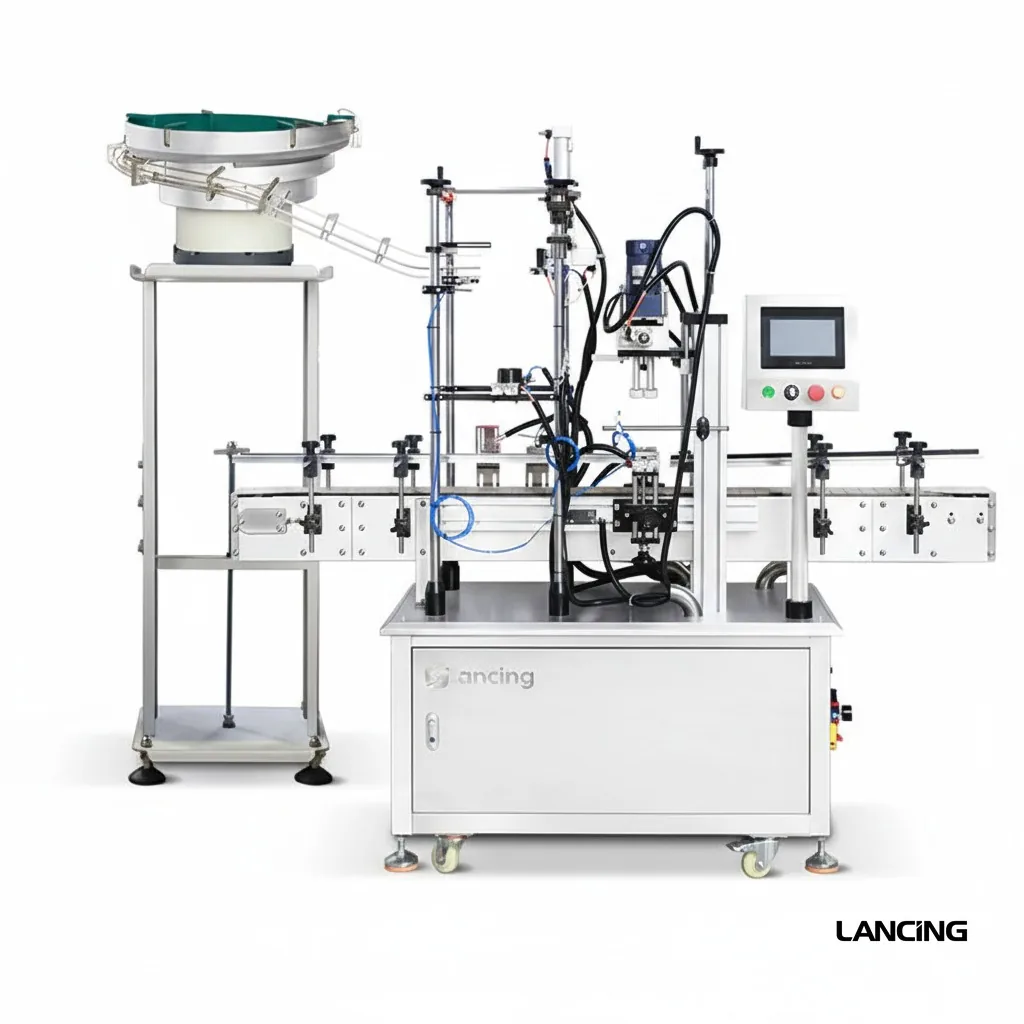
Line integration
Line layout, controls, transfer points and machine-to-machine integration for reliable production flow.
Line upgrades
Retrofit conveyors, accumulation and product-flow improvements for lines that need fewer bottlenecks.
FAQs
Start with the product, route or problem you need to solve. The quote checklist then shows which details help us price the conveyor accurately.
Yes. Send product details, available space, speed target and any photos or layout sketches, and we will help narrow the conveyor options.
Different conveyor types solve different handling problems, so it helps to compare the product, route, transfer points, speed and space available.
Solution engineering
Separate the product-flow problem from the conveyor hardware. A line-linking project, a bottle-stability problem and a warehouse transfer can use different engineering priorities even when the conveyor looks similar.
Define the physical transfer, product state and operating sequence at both ends.
Use base stability, guide contact, curves and accumulation pressure to shape the route.
Check the load underside, roller pitch, zoning and packing/dispatch flow.
The initial enquiry does not need a finished engineering drawing, but it should separate confirmed data from assumptions. Record the load range, route, target flow, operating environment and interfaces. Unknown values can then be measured or tested rather than guessed.
For complete combined machinery projects, use Packaging Lines UK.
Project review
Lancing can use the product, route and operating information to define the next engineering checks and quotation scope.