
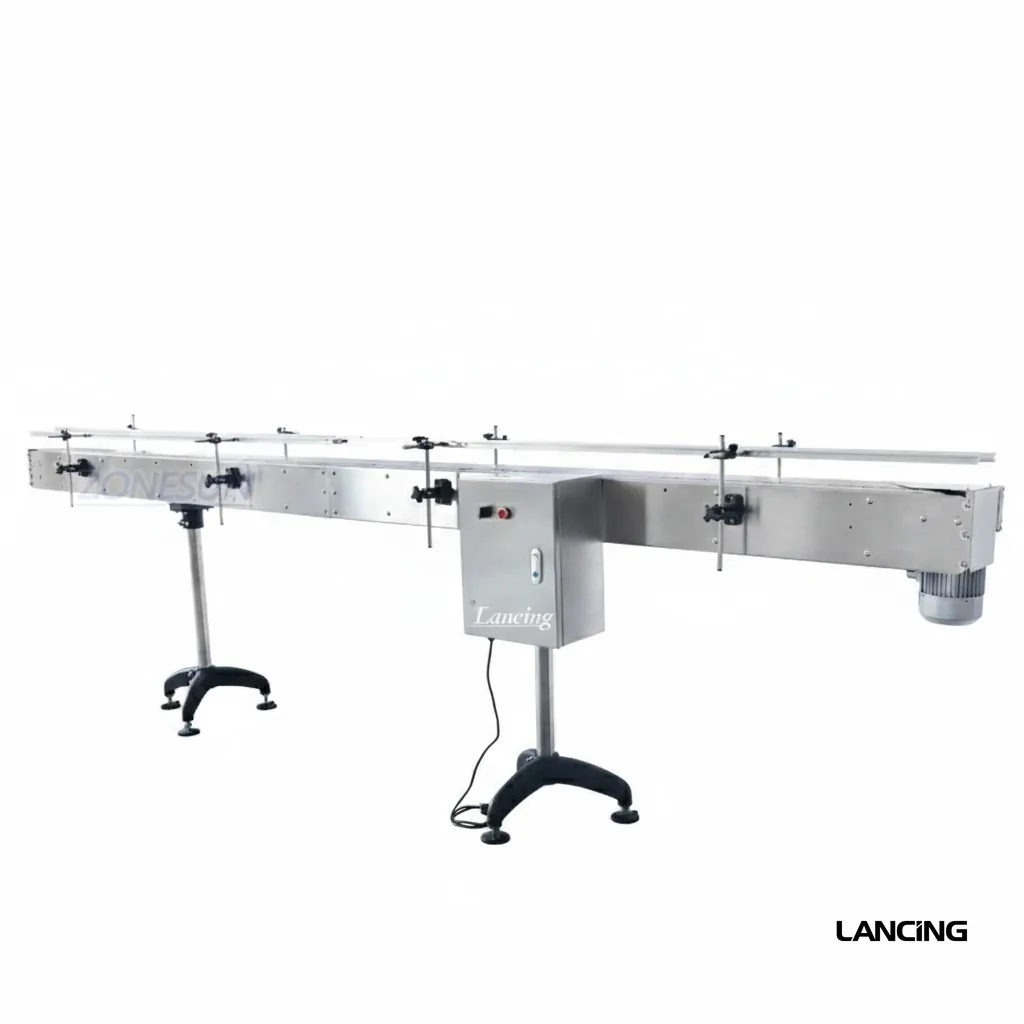
Conveyor type
Belt Conveyor Systems
Flat belt, food-grade, cleated and modular belt conveyors for product transfer, packing and line linking.
Good for cartons, packs and components that need full-base support.
Explore belt conveyor systems →Conveyors for filling, capping and labelling lines
Packaging line conveyors connect the key stages of a production line. They must move products consistently, protect presentation quality and keep fillers, cappers, labellers, coders and packing stations supplied at the right rate.
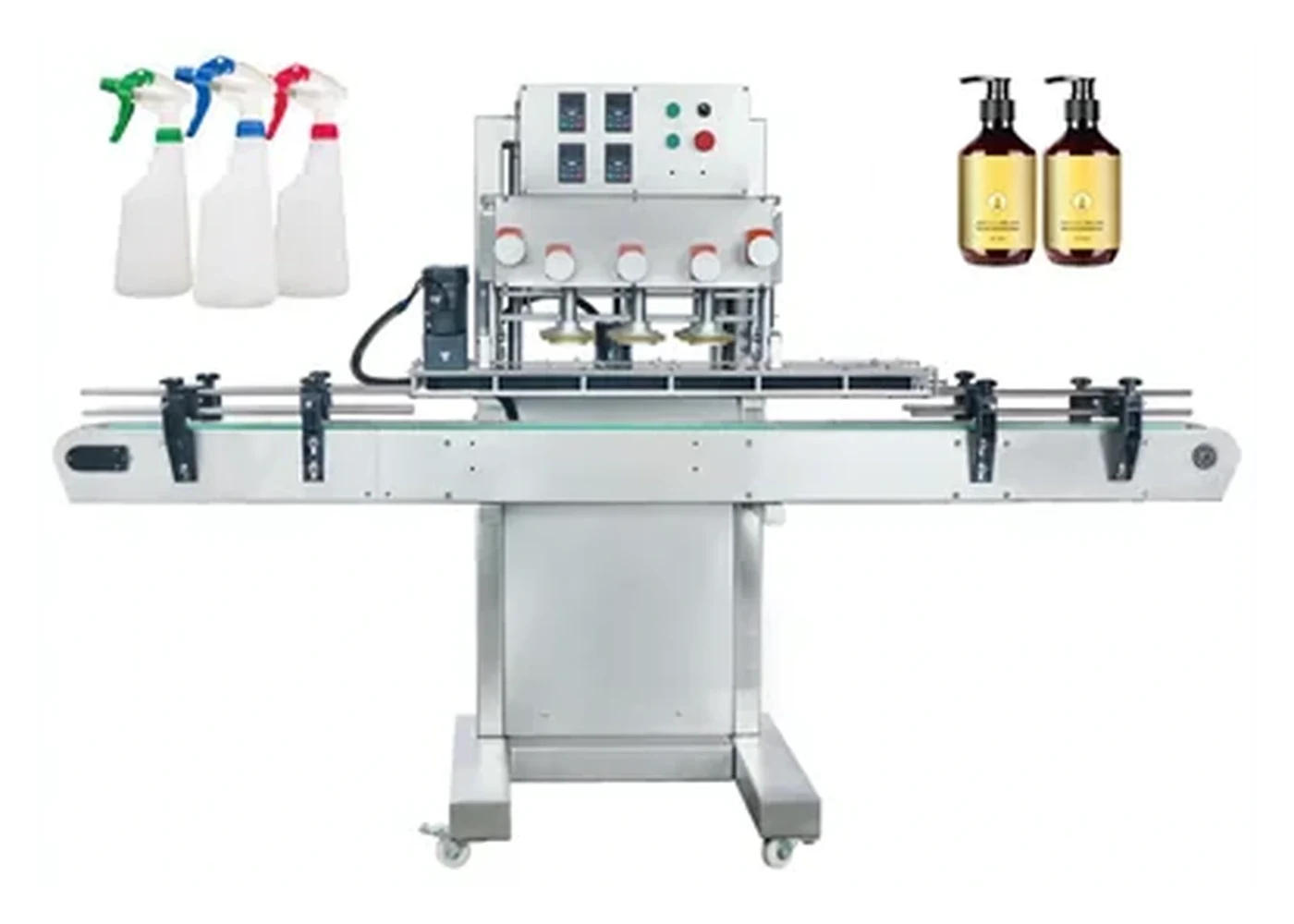
Packaging lines
A packaging line rarely fails because a conveyor cannot move product in a straight line. Problems usually appear at transitions: bottle to starwheel, belt to slat chain, capper outfeed to labeller infeed, or label discharge to coding and packing.
The conveyor layout should be planned around pack stability, machine pitch, speed changes, accumulation needs, guarding, operator access and cleaning. That is why conveyor selection belongs early in the line specification, not as an afterthought.
Powered Conveyors UK supports projects where a conveyor needs to integrate with existing filling, capping, labelling, coding, inspection or end-of-line machinery.
Best used for
Available routes
Packaging lines
The best conveyor depends on the pack format. Bottles often suit slat chain conveyors, while cartons and trays often suit belt or powered roller conveyors.
Yes. The key checks are height, transfer point, control signals, safety access, line speed and available footprint.
Accumulation should be considered where one machine frequently stops or where downstream packing cannot always keep pace.
Need a shortlist?
We will help narrow the conveyor type, layout considerations and the details needed for a practical quotation.
Related conveyor options
Conveyor type
Flat belt, food-grade, cleated and modular belt conveyors for product transfer, packing and line linking.
Good for cartons, packs and components that need full-base support.
Explore belt conveyor systems →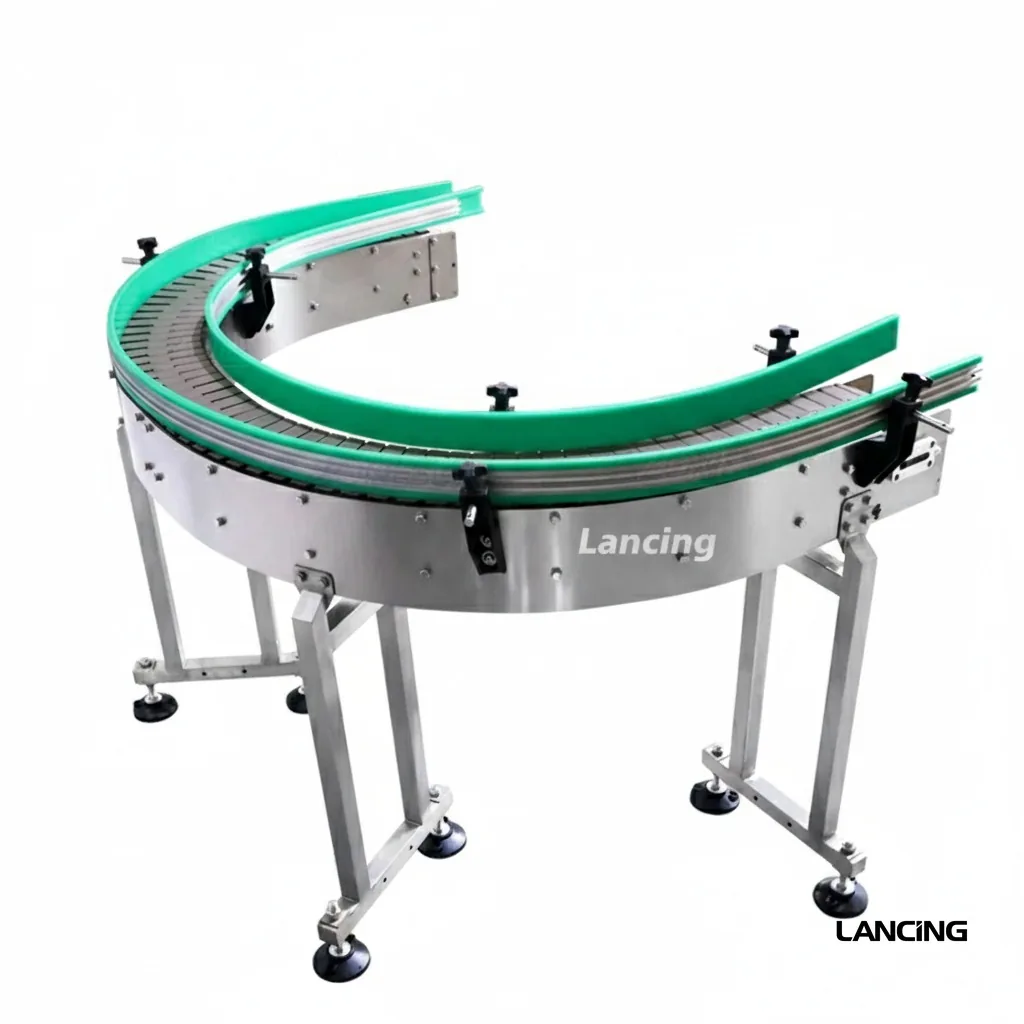
Conveyor type
Plastic slat, tabletop chain and stainless-frame conveyors for bottles, jars and container handling.
Good for bottles, jars and containers that need stable guided movement.
Explore slat chain conveyors →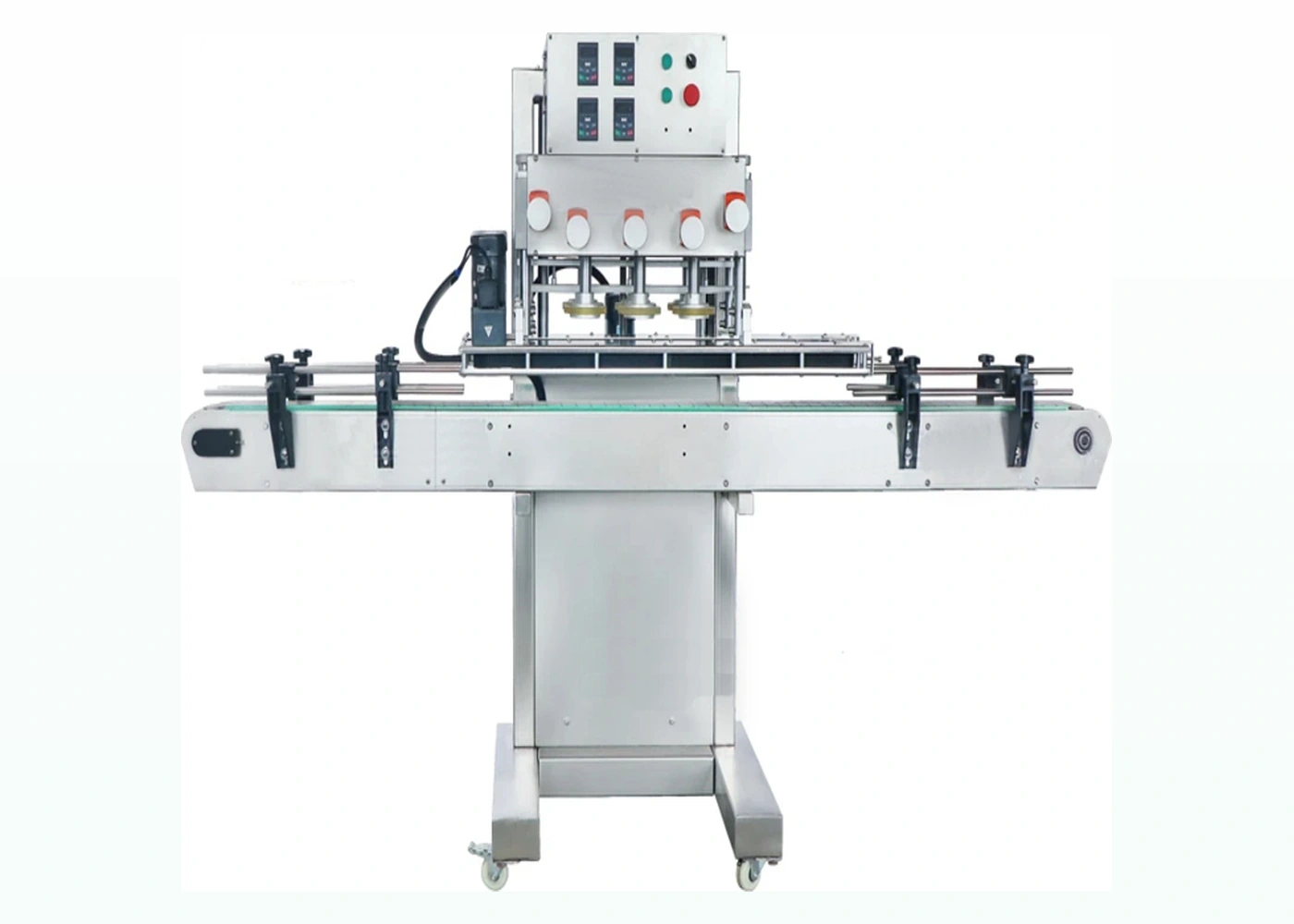
Conveyor type
Motorised roller conveyor sections for cartons, trays, totes, boxes and controlled product movement.
Good for cartons, trays, totes and boxes with a firm base.
Explore powered roller conveyors →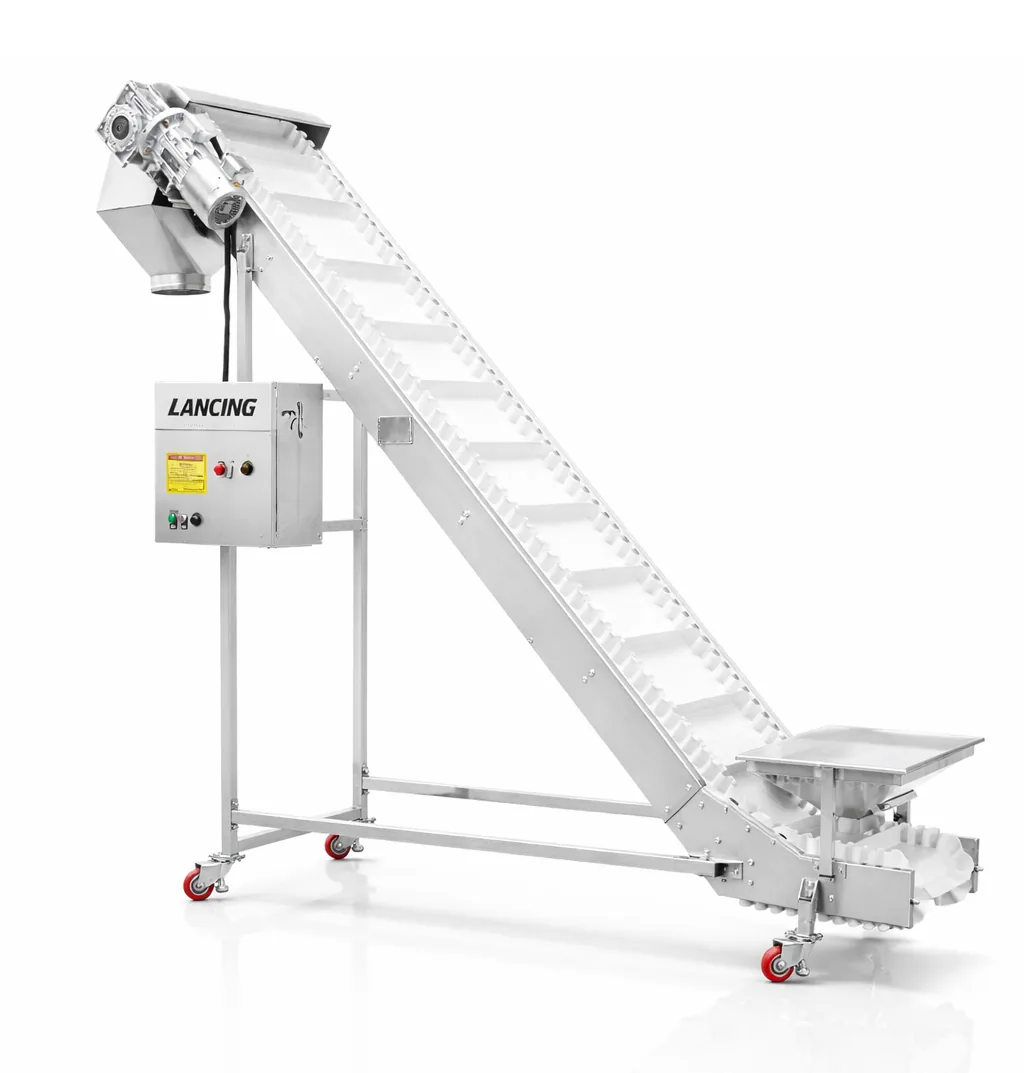
Conveyor type
Incline and elevator conveyors for moving packs between heights without disrupting line flow.
Good for moving products between heights while keeping the line flowing.
Explore incline conveyors →Integration definition
A conveyor can only deliver stable flow when the adjacent equipment, transfer geometry and stop/start sequence are defined. The integration brief should identify who owns each interface and how the line should behave during normal running, starvation, blockage, fault and restart.
| Interface | Data to agree | Acceptance observation |
|---|---|---|
| Mechanical | Top height, direction, support gap, guides and adjustment. | Smallest and largest products transfer without snagging or loss of control. |
| Product flow | Required queue, pitch, speed range and accumulation. | Representative products remain stable through start, stop and restart. |
| Controls | Ready, run, fault, stop, speed reference and sensor ownership. | Upstream and downstream equipment respond in the agreed sequence. |
| Safety | Guard boundaries, emergency stop, isolation and access. | Risk controls work across the combined interface. |
| Cleaning/maintenance | Access, removal routes, chemicals and drainage. | Routine tasks can be completed using the approved safe method. |
Complete packaging-line ownership, including fillers, cappers, labellers and combined performance, is covered by Packaging Lines UK. Packaging-specific conveyor applications are also available at Packaging Conveyors UK.
Use the transfer detail guide, controls and safety guide and quotation configurator to prepare the interface data.
Interface review
Send the equipment list, layout, product range and required operating sequence so the conveyor interface can be reviewed as part of the working line.