
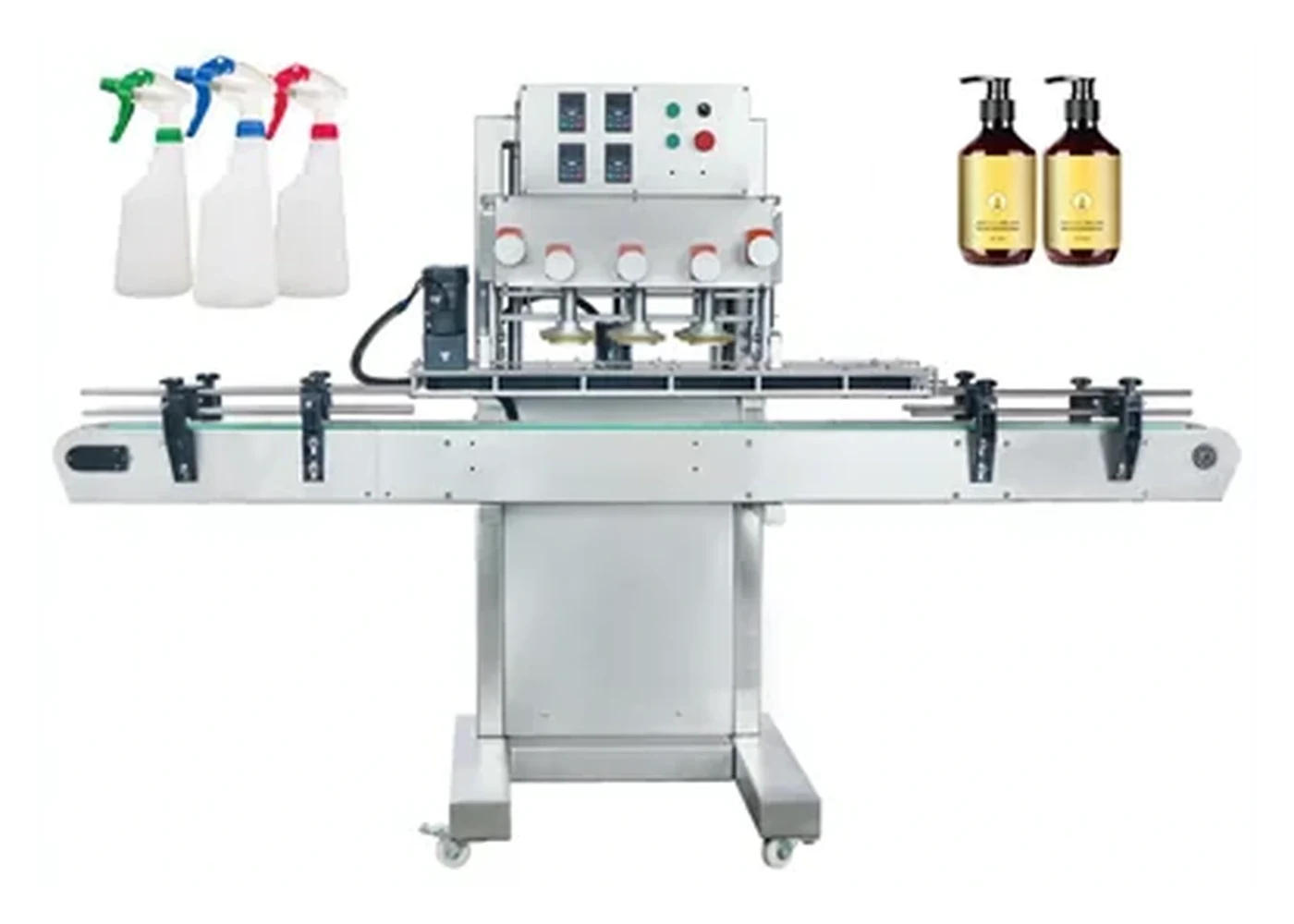
Packaging lines
Packaging Line Conveyors
Conveyor systems for filling, capping, labelling, coding, inspection and packing lines.
Good for linking filling, capping, labelling, coding and packing stages.
Explore packaging line conveyors →Buffering and product flow control
Accumulation conveyors create a controlled buffer between machines. They help reduce full-line stoppages where one process pauses briefly or where machines run at slightly different speeds.
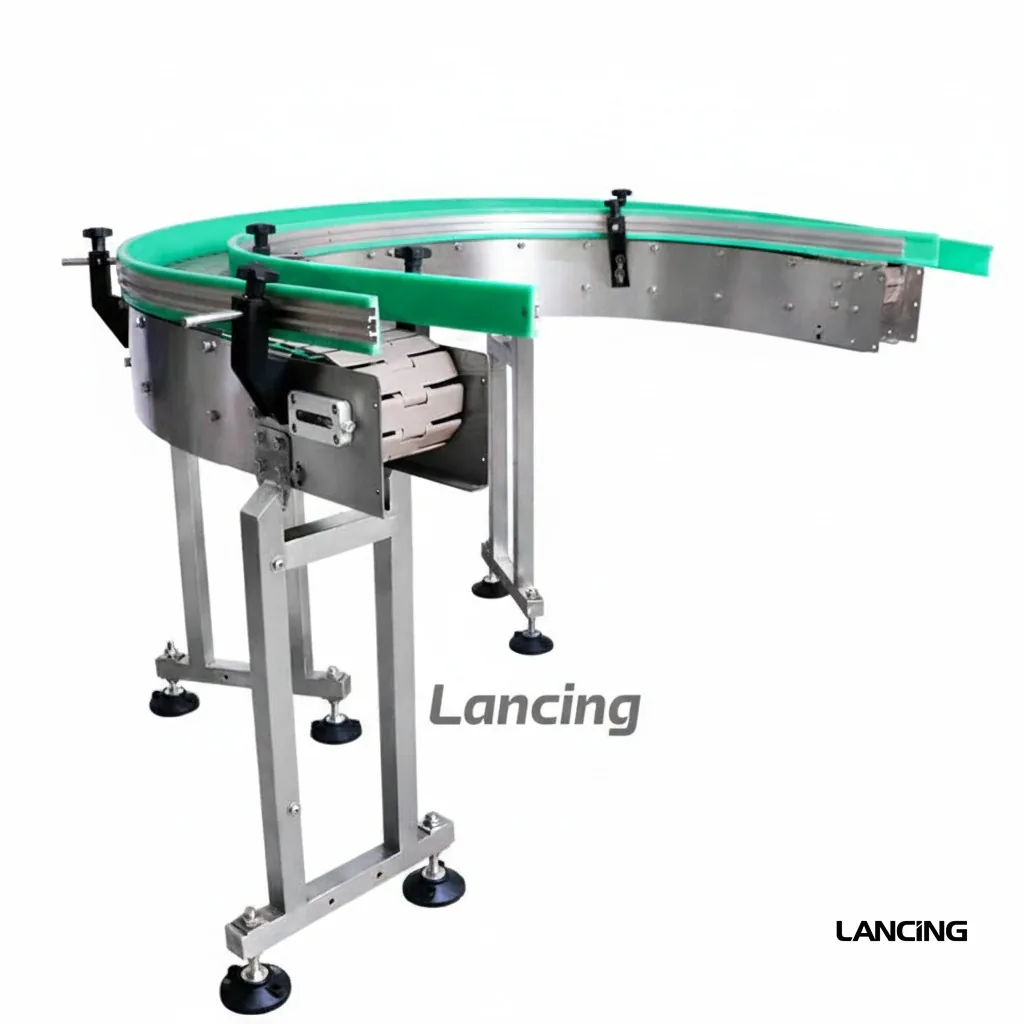
Buffering and spacing
Accumulation is not simply extra conveyor length. The system must protect product quality, prevent excessive pressure and release packs back into the line without creating surges or jams.
Bottle lines often need careful guide design because too much back pressure can cause scuffing, tipping or label damage. Carton and tote lines may use zoned powered roller sections where controlled accumulation and release are required.
The right accumulation route depends on the machine speeds, stoppage pattern, pack stability, footprint, buffer quantity and whether products can touch or must remain separated.
Best used for
Available routes
Buffering and spacing
No. Accumulation is useful where short stoppages, speed mismatches or manual packing delays are affecting output. Some simple lines do not need it.
This depends on line speed, expected stoppage duration, product footprint and how many products can safely queue without damage.
It can if pressure, guide design or release control is poor. The product type and packaging finish should be checked before specifying the accumulation method.
Need a shortlist?
We will help narrow the conveyor type, layout considerations and the details needed for a practical quotation.
Related conveyor options
Packaging lines
Conveyor systems for filling, capping, labelling, coding, inspection and packing lines.
Good for linking filling, capping, labelling, coding and packing stages.
Explore packaging line conveyors →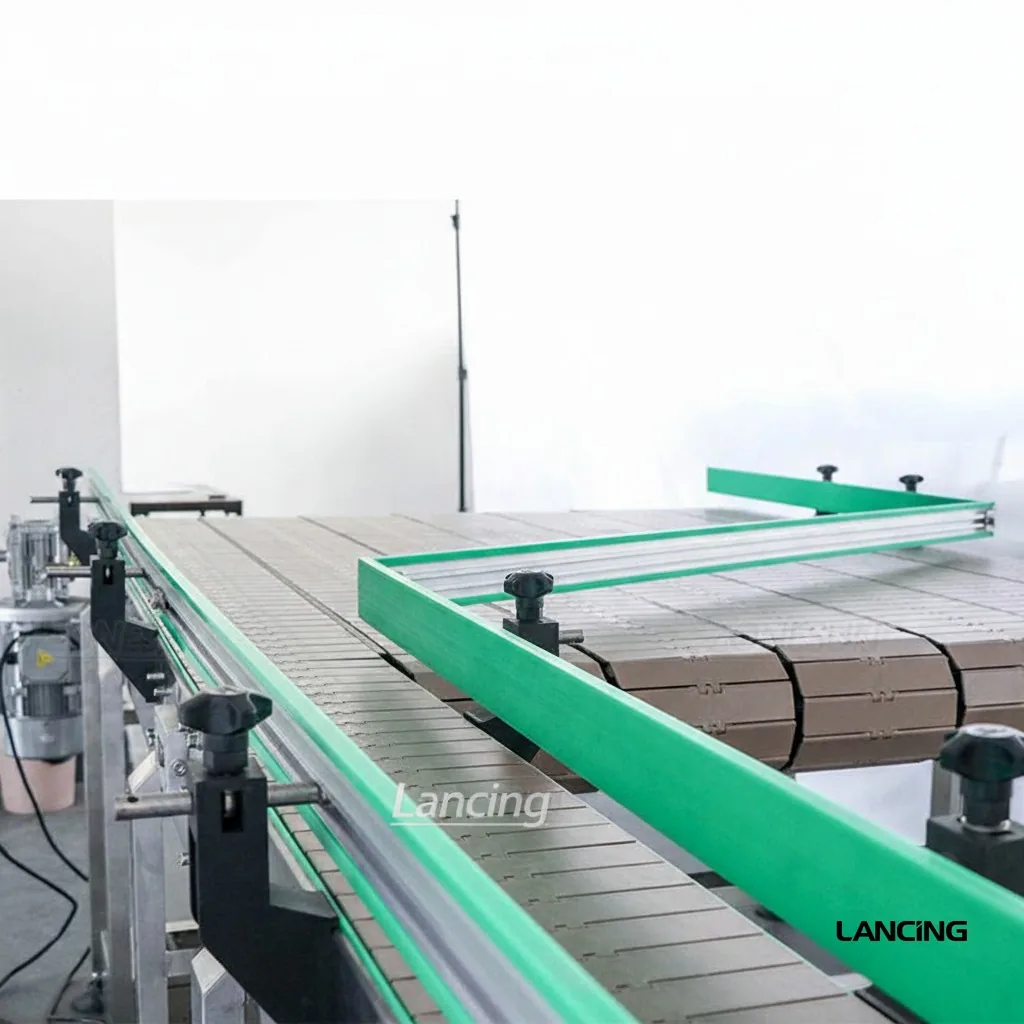
Bottle and jar handling
Slat, infeed, curved and accumulation conveyors for plastic bottles, glass bottles, jars and containers.
Good for stable movement of plastic bottles, glass bottles, jars and containers.
Explore bottle handling conveyors →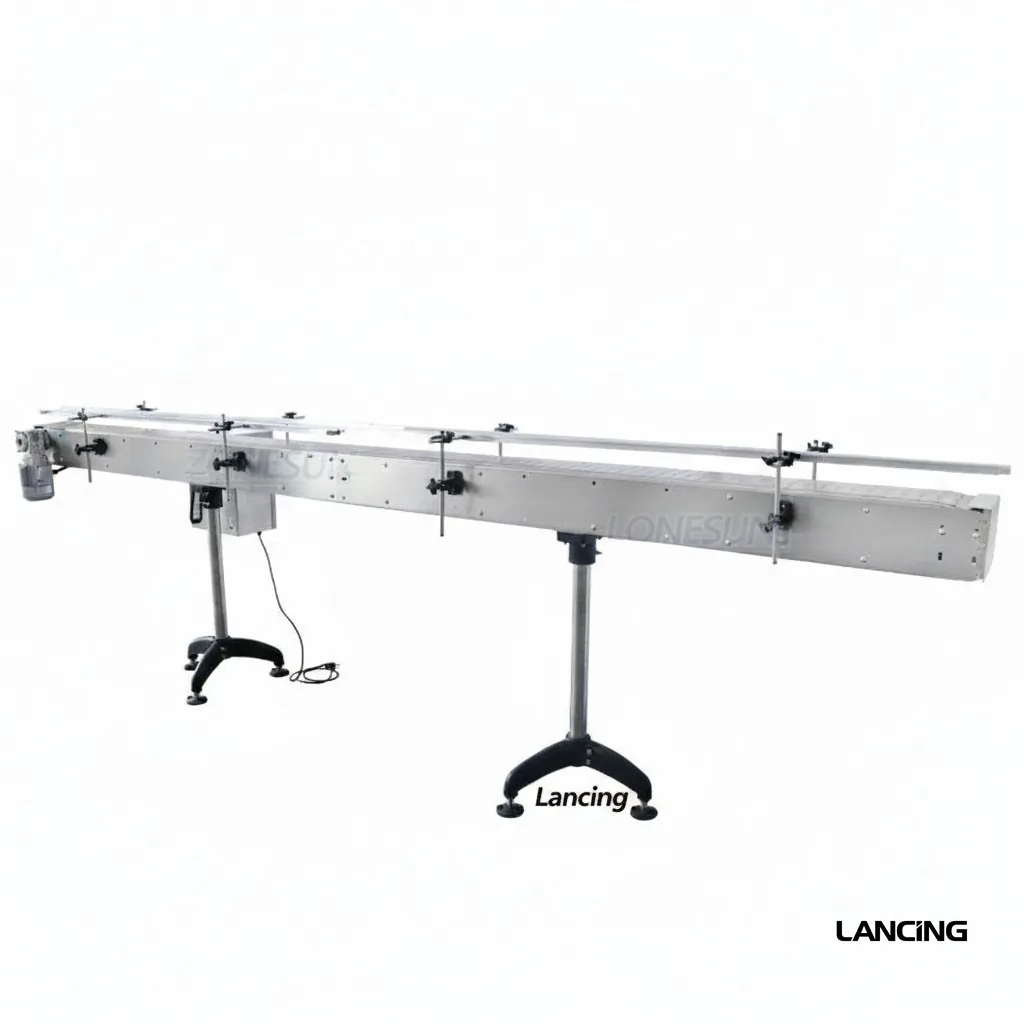
Cartons, trays and boxes
Powered conveyors for flat-bottomed cartons, trays, totes and box handling in production and packing areas.
Good for cartons, trays, totes and boxes in packing and dispatch areas.
Explore carton, tray & box conveyors →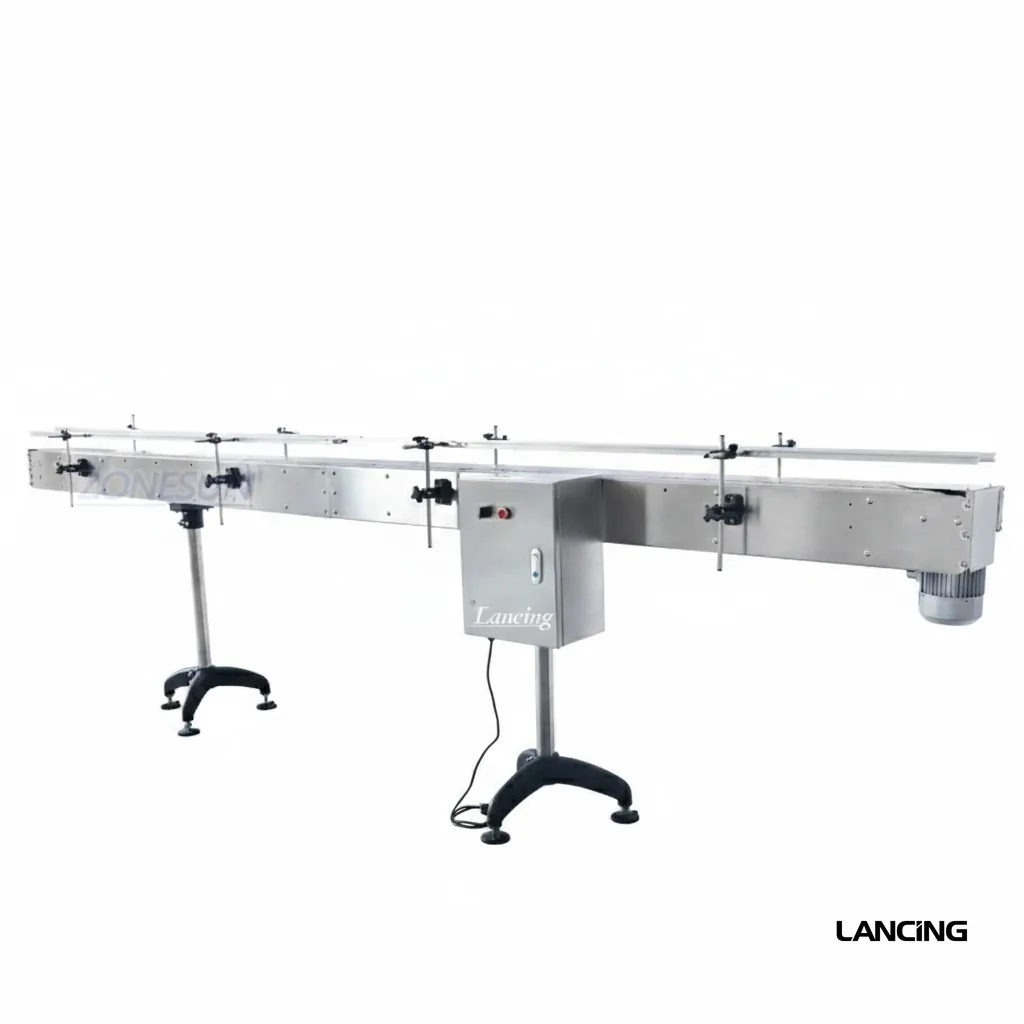
Buying guide
How to choose the right powered conveyor system by product, load, footprint, speed and line requirement.
Helps compare conveyor types before you request a quotation.
Explore powered conveyor buying guide →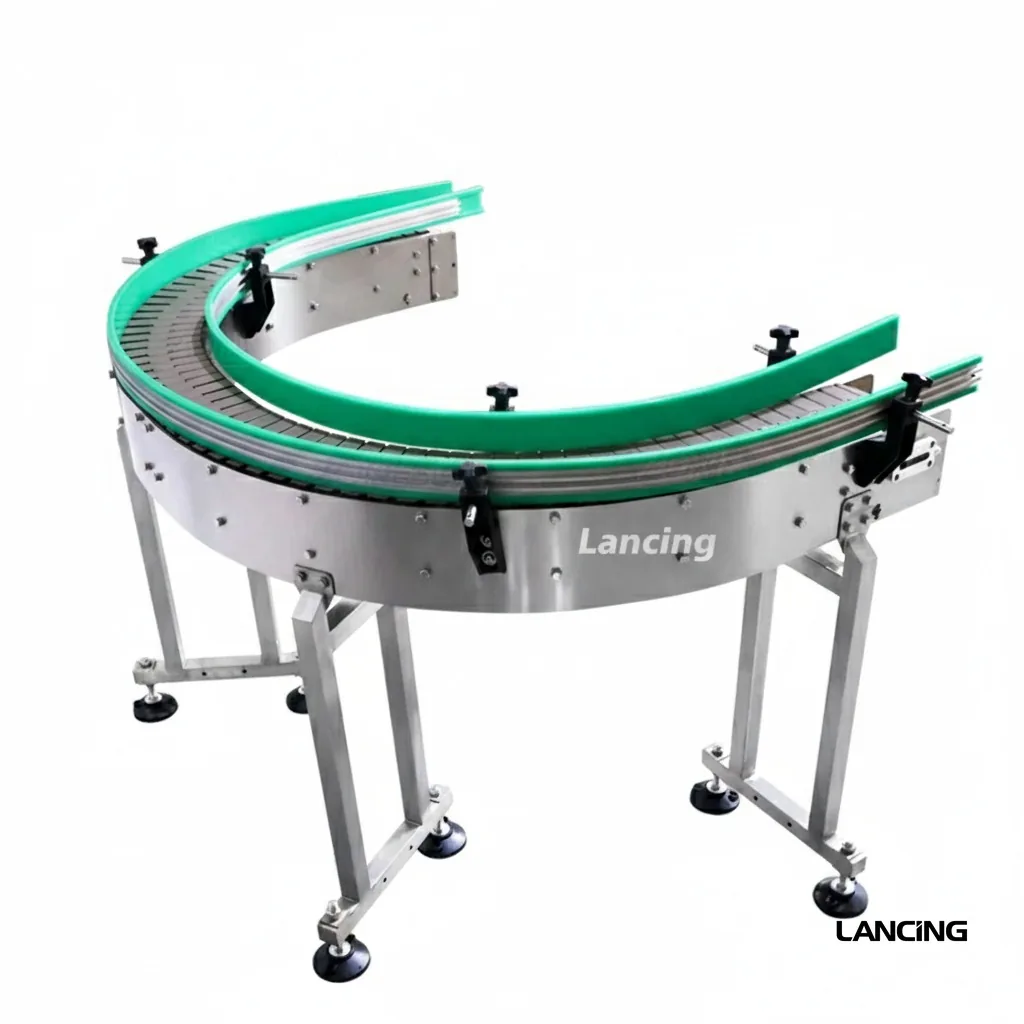
Layout checklist
A checklist covering footprint, access, transfers, bends, elevations, guarding, controls and future growth.
Helps check footprint, access, transfers, bends, heights and controls.
Explore conveyor layout checklist →Accumulation engineering
Accumulation is useful only when the buffer can absorb a defined interruption and release products in a controlled way. The first calculation is the number of products or seconds of production that must be stored; the next decision is whether the product can touch, queue under pressure or needs controlled separation.
At a known production rate, the number of usable accumulation positions can be converted into seconds of buffer. Allow for unusable entry and discharge zones, sensor spacing and the recovery sequence rather than counting only the physical conveyor length.
Bottles, cartons and decorated packs tolerate different levels of contact. Labels, pumps, triggers, lightweight containers and unstable products can be damaged or displaced by back pressure. Define the permitted contact condition before choosing the accumulation method.
Sensors and stops must identify when the downstream process is unavailable, hold products without creating a jam and release them at a rate the downstream machine can accept. Fault recovery should be tested as well as normal running.
A straight buffer is simple to understand but uses line length. Curves, tables or zoned roller systems may use space differently. Keep maintenance, cleaning, guarding and operator routes available around the selected layout.
Slat-chain routes can queue bottles and jars where controlled guide contact is acceptable. Powered roller zones can hold cartons and totes with reduced pressure. Rotary accumulation tables provide compact buffering for selected containers, while a belt buffer can support packs that need a continuous surface.
Use the accumulation planning guide and buffer-time calculator before fixing the footprint.
Multiply the production rate by the interruption time you need to absorb, then add space for control and transfer zones.
No. Check stability, finish, labels, closures and the pressure created by the chosen conveyor method.
No. The controls and downstream recovery rate must be able to release the stored products without creating a second bottleneck.
The exact arrangement depends on the conveyor, but the system must detect queue state, downstream availability and release conditions reliably.
Divide usable product positions by the production rate and convert the result to seconds, then verify the actual sequence during a representative trial.
Engineering review
Send the full product range, route, output and interface details so the conveyor can be assessed under realistic operating conditions.